
Indoor comfort remains one of the most critical components of employee well-being and productivity. As modern offices evolve to accommodate hybrid workforces, clean air circulation and thermal control have become just as essential as ergonomic furniture and reliable Wi-Fi. Within this push for optimal comfort, ceiling vent air diverter solutions and their corner air diverter counterparts are quietly revolutionizing commercial HVAC systems, offering targeted improvements without large-scale renovations.
The Demand for Smarter HVAC Airflow Management
Traditional HVAC setups often create uncomfortable drafts, temperature inconsistencies, and poor air circulation—particularly in open-plan offices, meeting rooms, and corner spaces. For facility managers and HVAC contractors, these complaints frequently involve the same issue: unbalanced airflow from ceiling-mounted diffusers.
That’s where air diverters, particularly those designed for ceiling vent systems, come into play. Installed in the path of airflow, they redirect conditioned air more effectively across a room. In doing so, they eliminate cold or hot spots, minimize employee discomfort, and support consistent room temperatures throughout the workday.
Corner Air Diverters: A Subtle Yet Powerful Upgrade
Unlike standard solutions, corner air diverters specialize in addressing problematic areas that conventional diffusers often neglect—such as corners of conference rooms, shared workstations, and reception zones. These areas often receive concentrated airflow that creates a noticeable temperature differential.
The compact and lightweight design of these diverters ensures quick installation directly under 2’x2’ ceiling diffusers. Constructed from durable plastic, corner diverters resist rust, sweating, and dust buildup. With this added control, building supervisors can fine-tune HVAC delivery in ways that enhance comfort without increasing energy consumption.
For example, companies like Comfort First Products offer polystyrene-based corner diverters that perfectly fit office ceiling grids. They blend with existing ceiling architecture while maintaining unobstructed airflow. These diverters can be used individually and are not intended to fully block air vents, ensuring a balance between comfort and HVAC efficiency.
Enhancing Indoor Air Quality and Comfort
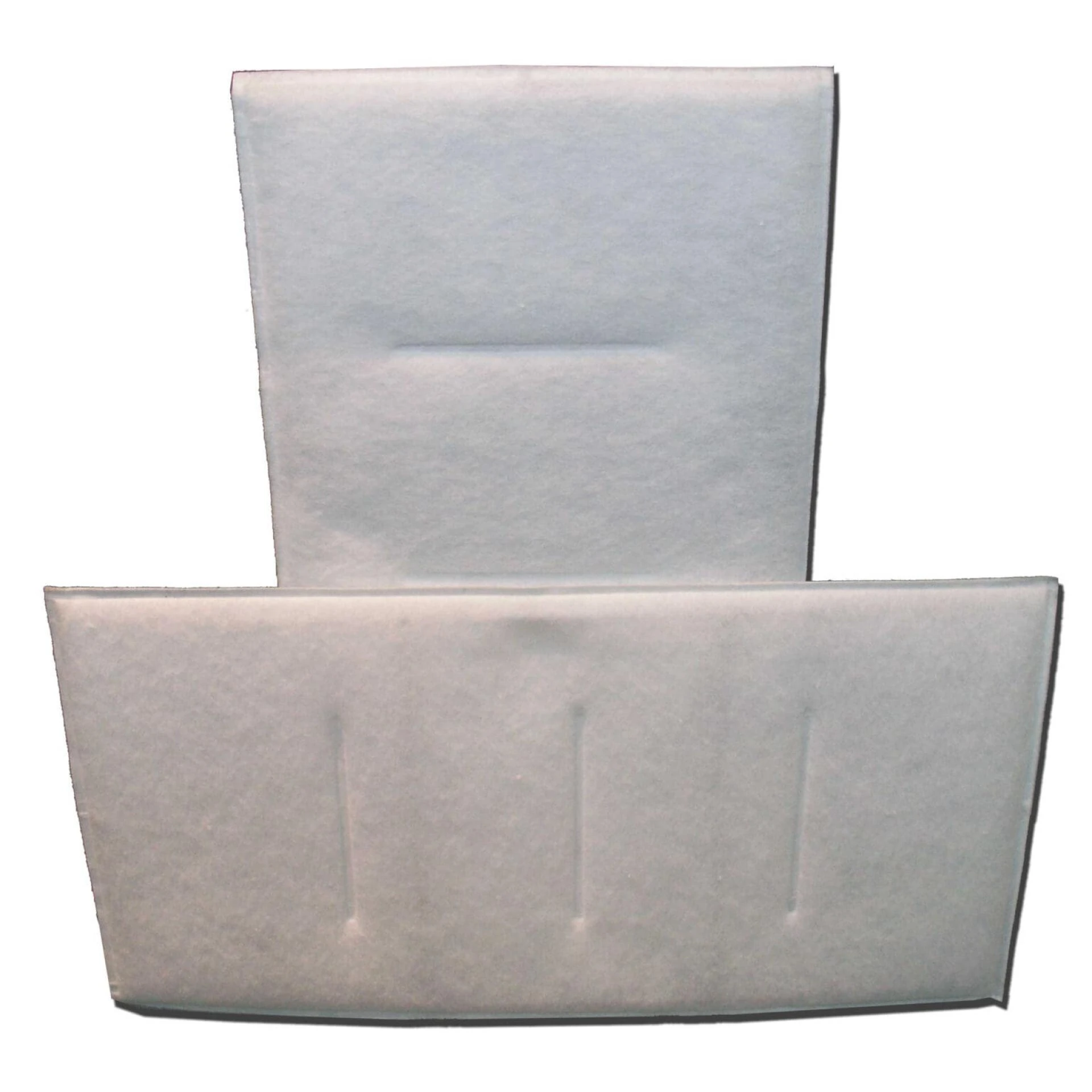
What makes diverters particularly valuable in today’s workspaces is their role in improving indoor air quality (IAQ). When used in combination with filtered diffusers or add-on air filters, these systems trap allergens, dust, and fine particles before they circulate into occupied zones.
Rather than relying on extensive HVAC overhauls, building managers can retrofit ceiling vent cornet air diverters to current systems. This provides a cost-effective, non-disruptive way to meet IAQ compliance goals and thermal comfort expectations across multiple industries—from corporate offices to medical clinics and educational institutions.
In a large-scale setting, such as a corporate office or university classroom, even slight fluctuations in air distribution can cause discomfort and lower concentration levels. A corner diverter prevents airflow from directly targeting occupants, allowing managers to control temperature zones more precisely. Employees report fewer complaints of drafts, and energy consumption decreases as the system doesn't need to overcompensate for uneven temperature distribution.
Ease of Integration with Existing Systems
Another reason for the growing popularity of these diverters lies in their compatibility with existing infrastructure. Facility managers often struggle to introduce comfort-enhancing products without triggering construction delays or equipment downtime. Products such as Control-A-Flow® or filtered diffusers have proven that airflow solutions can be both advanced and user-friendly.
Corner air diverters, in particular, require no mechanical adjustments or complex installation processes. They fit snugly over standard diffusers and maintain a subtle, professional appearance, making them ideal for client-facing areas or cleanroom environments where aesthetic uniformity matters.
Many models on the market today also allow for adjustable airflow redirection. This level of customization is especially valuable in shared spaces where occupant preferences may vary. Whether it’s reducing cold air drafts in a reception area or diffusing airflow across a group workspace, these diverters provide granular control without affecting the overall HVAC setup.
A Cost-Efficient Way to Enhance Comfort
For commercial buildings, cost remains a top concern. Energy-efficient solutions that require minimal installation effort are invaluable. Air diverters contribute to energy conservation by eliminating the need for continuous thermostat adjustments and reducing overuse of HVAC units. When airflow is properly managed, systems don’t need to work as hard to maintain desired temperatures, leading to lower utility costs.
Additionally, the minimal cost of these accessories compared to large-scale HVAC upgrades makes them a practical option for organizations seeking short-term ROI with long-term benefits. Whether purchased individually or in bulk, these diverters are a smart investment for any facility prioritizing workplace comfort and energy efficiency.
Conclusion: Small Devices, Big Impact
In the ever-evolving world of commercial HVAC, small innovations often deliver the biggest returns. The ceiling vent corner air diverter has become an essential tool in resolving airflow inconsistencies, enhancing thermal comfort, and improving air quality across office environments.Facility managers can create evenly conditioned spaces that not only support health and productivity but also reflect energy-conscious decision-making.
By integrating these easy-to-install components into existing systems, office supervisors and HVAC professionals can meet modern comfort standards without major renovations. As demand for smarter, healthier buildings grows, these diverters will continue to play a pivotal role in shaping the future of indoor environmental control.










Sign in to leave a comment.