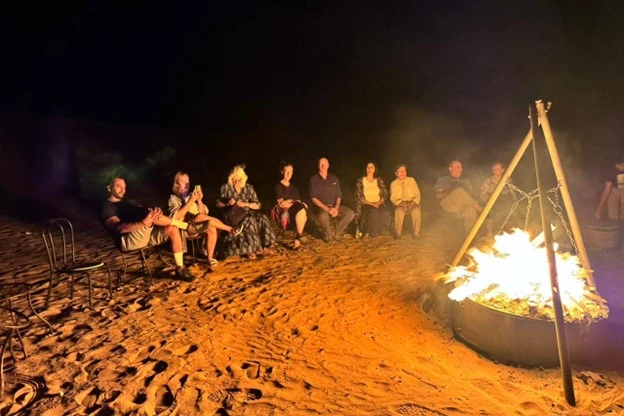

Travel is more than just visiting new places; it’s about connecting with the people, traditions, and stories that bring those places to life. Cultural immersion—truly engaging with a destination’s heritage, customs, and daily rhythms—has the power to transform travel into a deeply enriching experience. Morocco, with its rich tapestry of traditions, vibrant colors, and warm hospitality, offers countless opportunities for cultural immersion.
Whether wandering through ancient medinas, sharing tea with locals, or witnessing the artistry of Moroccan craftsmanship, travelers can connect with Morocco’s essence in meaningful ways.
The Magic of Moroccan Hospitality
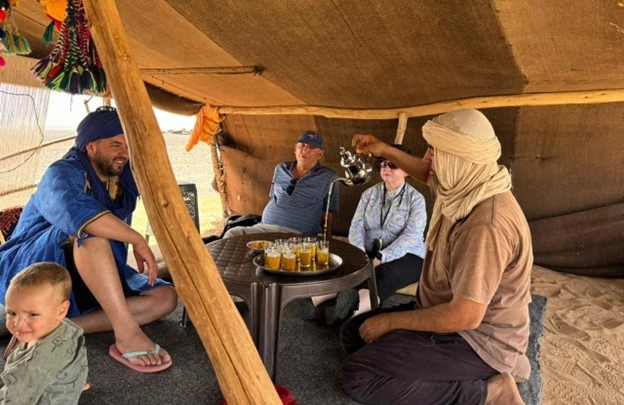
One of the most memorable aspects of Morocco is its legendary hospitality. Known as tarbia in Arabic, the deep-rooted culture of welcoming guests is central to Moroccan life. Visitors are often greeted with a smile, kind words, and a cup of traditional mint tea.
This tea, often referred to as “Moroccan whiskey,” is much more than a beverage—it’s a symbol of friendship, respect, and community. Sharing tea with locals isn’t just an act of politeness; it’s an invitation to connect and understand Morocco’s way of life.
Moroccans take great pride in their hospitality, and travelers who embrace this openness will find themselves welcomed into homes, markets, and hearts. Joining a family for a traditional meal, for example, offers a window into the country’s culinary traditions.
Meals like tagine and couscous are often shared communally, with guests encouraged to eat their fill while engaging in lively conversation. These moments of genuine interaction are what elevate travel into an unforgettable experience.
Traditional Moroccan Music and Dance
Music and dance play a vital role in Moroccan culture, offering travelers another way to connect with its rich traditions. Gnawa music, a spiritual and rhythmic style with roots in Sub-Saharan Africa, is a profound example. This genre blends hypnotic chants, percussion, and string instruments to create a sound that is both soulful and celebratory.
Experiencing a live Gnawa performance, especially in places like Essaouira, allows visitors to feel the spiritual energy and passion that flows through Moroccan music.
Another vibrant tradition is the ahwash, a group dance accompanied by rhythmic drumming and singing, often performed in Berber villages. Travelers who visit the High Atlas Mountains or participate in a cultural tour may be invited to join these communal dances, breaking down barriers and creating shared moments of joy.
Such experiences go beyond mere observation, offering travelers a chance to participate in Morocco’s living traditions.
The Art of Moroccan Cuisine
Moroccan cuisine is world-renowned, and its flavors tell the story of the country’s diverse cultural influences. From Arab and Berber to Andalusian and French, Morocco’s culinary heritage is a rich mosaic that reflects its history as a crossroads of civilizations. Cultural immersion in food goes beyond tasting; it involves understanding the ingredients, techniques, and customs that shape Moroccan dishes.
Cooking classes offer travelers a hands-on way to connect with Moroccan cuisine. Under the guidance of local chefs, participants learn how to prepare staples like harira (a hearty soup), pastilla (a savory-sweet pastry), and the iconic tagine.
Visiting local markets to select fresh spices, meats, and produce adds another layer to the experience, as travelers engage directly with vendors and learn about regional specialties. Bringing these skills home not only extends the travel experience but also deepens appreciation for the flavors and traditions of Morocco.
Morocco’s Vibrant Festivals and Celebrations
Morocco’s calendar is filled with festivals and celebrations that reflect its cultural and religious heritage. Participating in these events is a powerful way to immerse oneself in Moroccan traditions and witness the community spirit that defines them.
For example, Eid al-Adha, one of the most significant Islamic holidays, is a time of reflection, family gatherings, and charity. Travelers who visit during this time may be invited to share in the celebrations, experiencing firsthand the importance of generosity and togetherness in Moroccan culture.
The Fez Festival of World Sacred Music is another highlight, bringing together artists from around the globe to perform in the historic city of Fes. The festival showcases Morocco’s openness to cultural exchange and its appreciation for diverse musical traditions.
Similarly, the Moussem of Tan-Tan, a UNESCO-recognized festival, celebrates the heritage of nomadic tribes with camel races, traditional music, and storytelling, offering a unique insight into Morocco’s desert culture.
Exploring Morocco’s Ancient Medinas
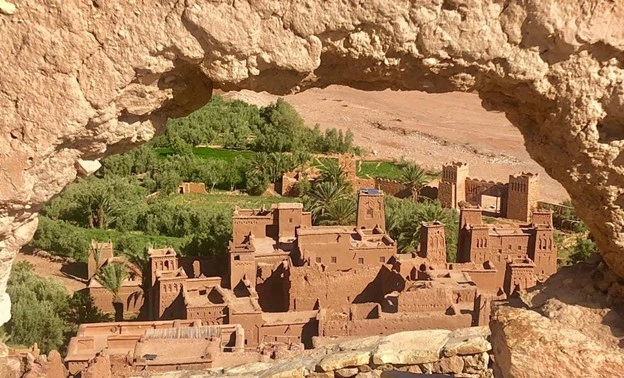
The medinas—ancient walled cities found in places like Marrakech, Fes, and Chefchaouen—are at the heart of Morocco’s cultural identity. Stepping into a medina feels like stepping back in time, with narrow alleys, bustling souks, and historic landmarks around every corner. Travelers who take the time to explore these labyrinthine streets can uncover the stories of Morocco’s past and its enduring traditions.
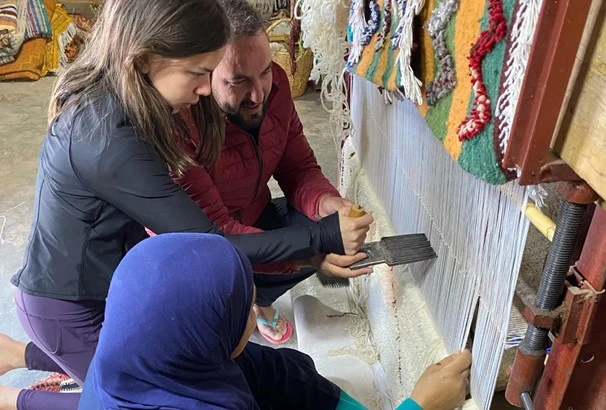
In the souks, visitors encounter artisans who have honed their craft for generations. From leatherworkers in Fes to carpet weavers in the High Atlas Mountains, these skilled craftsmen keep Morocco’s artistic heritage alive.
Watching a potter shape clay into a tagine or a metalworker engrave intricate designs into brass is more than a visual treat—it’s a reminder of the care and creativity embedded in Moroccan culture. Travelers who engage with these artisans, perhaps trying their hand at weaving or pottery, leave with a deeper appreciation for the skill and effort behind every handmade piece.
Discovering Berber Heritage in the High Atlas Mountains
The Berber, or Amazigh, people are the indigenous inhabitants of Morocco, and their culture is deeply intertwined with the country’s identity. In the High Atlas Mountains, travelers can explore traditional Berber villages, where life revolves around agriculture, craftsmanship, and community.
Staying in a Berber guesthouse, or gîte, offers an intimate glimpse into their daily lives, from the preparation of meals to the weaving of carpets.
One of the most transformative experiences for travelers is sharing stories with Berber hosts. Their tales of resilience, adaptation, and connection to the land highlight the enduring spirit of Morocco’s people. Participating in traditional activities, such as harvesting crops or learning to bake bread in clay ovens, deepens this connection and fosters mutual understanding.
The Transformative Power of Cultural Immersion
Cultural immersion in Morocco is not about ticking items off a travel itinerary—it’s about forging meaningful connections and gaining a new perspective. Immersing oneself in Moroccan traditions helps travelers see the world through the eyes of the people who live there, fostering empathy and breaking down cultural barriers.
It’s in these moments of shared humanity—sipping mint tea with a shopkeeper, dancing with villagers in the mountains, or learning to prepare a perfect tagine—that travel becomes transformative.
By stepping into the rhythm of Moroccan life, travelers create memories that go beyond souvenirs and photographs. These experiences stay with them long after the journey ends, shaping how they view the world and their place within it.
Wrapping Up
Morocco is a land of contrasts and connections, where ancient traditions meet modern creativity. Its rich cultural heritage, from the hospitality of its people to the artistry of its crafts, offers countless opportunities for meaningful immersion.
Travelers who open themselves to these experiences will leave Morocco not just with stories to tell but with a deeper understanding of the beauty and complexity of its traditions.
Whether wandering through medinas, participating in traditional dances, or sharing a meal with locals, cultural immersion in Morocco transforms travel into something profoundly personal.
It allows visitors to connect with the country’s heart and soul, creating lasting memories and enriching their lives in ways they never imagined.
For those ready to embrace the journey, contact Omar Adventures as Morocco’s rich traditions await, promising a travel experience unlike any other, including trekking in Morocco or a Mount Toubkal climb and hiking in the Atlas mountains.










Sign in to leave a comment.