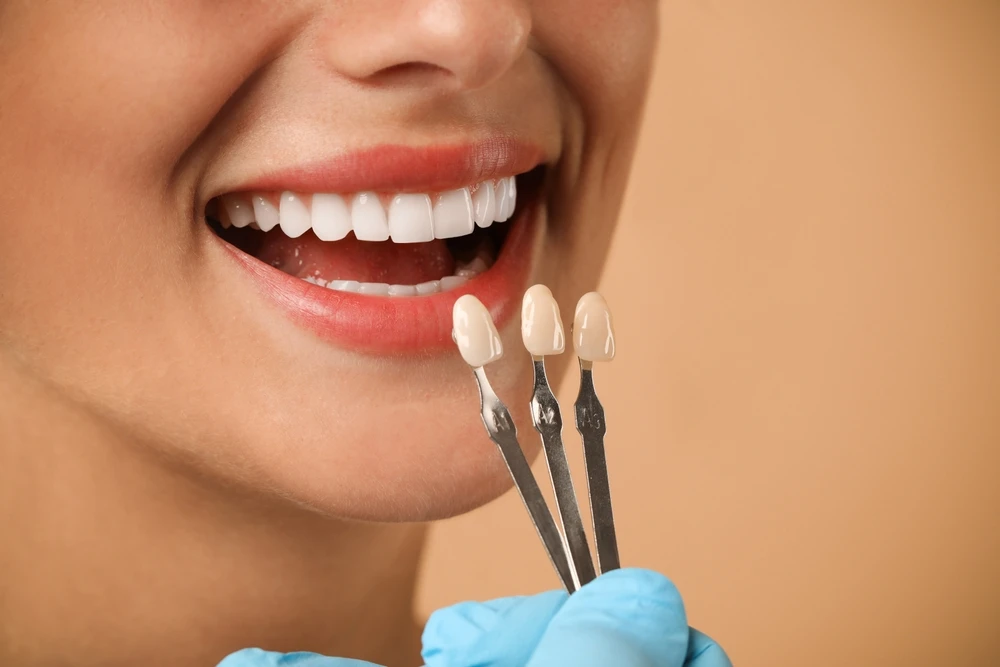

Beyond their aesthetic appeal, dental implants in Miami, FL are critically important for supporting long-term oral health. Their unique design allows them to actively contribute to the overall well-being of your mouth and jaw structure, offering benefits far beyond simply filling a visible gap. When a natural tooth is lost, the underlying jawbone loses the essential stimulation it received from the tooth root during chewing. This lack of stimulation often leads to jawbone resorption, a process where the bone tissue deteriorates and shrinks. This progressive bone loss can cause a cascade of issues, including shifting teeth, changes in facial structure (a "sunken" appearance), and difficulties with eating and speaking. Dental implants are uniquely positioned to counteract these detrimental effects.
Top Ways Dental Implants Improve Oral Health
- Prevents Jawbone Loss (Osseointegration): The biocompatible titanium implant post, surgically placed into the jawbone, functions just like a natural tooth root. This sustained stimulation of the jawbone signals to the body that the bone is still needed and active, effectively preventing resorption. This crucial biological integration ensures the preservation of vital bone density and volume, maintaining the structural integrity of your jaw.
- Maintains Tooth Alignment: By preventing jawbone loss, dental implants help maintain the stability and proper alignment of adjacent natural teeth. Without an implant, surrounding teeth can drift into the empty space, leading to misalignment, bite problems, and increased areas for food trapping. Implants keep your remaining teeth in their correct positions.
- Preserves Healthy Adjacent Teeth: Unlike traditional dental bridges, which require the grinding down of healthy neighboring teeth for support, dental implants are self-supporting. This means your natural, healthy teeth remain untouched and unaltered, preserving their original strength, enamel, and integrity. This conservative approach contributes significantly to the long-term health of your entire dentition.
- Reduces Risk of Cavities and Gum Disease: Implants are cared for just like natural teeth through regular brushing and flossing. This ease of cleaning, compared to the challenges of cleaning under bridges or around removable dentures, helps prevent plaque and tartar buildup. This, in turn, substantially reduces the risk of new cavities on adjacent teeth, as well as gum disease (periodontitis) and peri-implantitis (inflammation around the implant).
- Enhances Chewing Efficiency and Digestion: Restoring a complete set of teeth with implants significantly improves your ability to chew food efficiently. Better chewing leads to better food breakdown, aiding digestion and nutrient absorption, which benefits your overall systemic health.
- Supports Facial Structure: By preserving jawbone volume, dental implants help maintain the natural contours of your face. Bone loss in the jaw can lead to a prematurely aged appearance with a sunken facial profile. Implants help sustain the bone, supporting facial muscles and preventing this aesthetic decline.
In essence, dental implants offer a holistic approach to tooth replacement, directly contributing to the foundational health of your mouth. By preventing bone loss, maintaining tooth alignment, preserving healthy teeth, and simplifying oral hygiene, they provide comprehensive support for a healthier mouth for decades to come. For anyone in Miami, Florida, seeking a long-term, health-conscious solution for missing teeth, a thorough consultation with a qualified dentist in Miami, FL can provide detailed information and a personalized treatment plan for achieving optimal and lasting oral health.












Sign in to leave a comment.