
Introduction
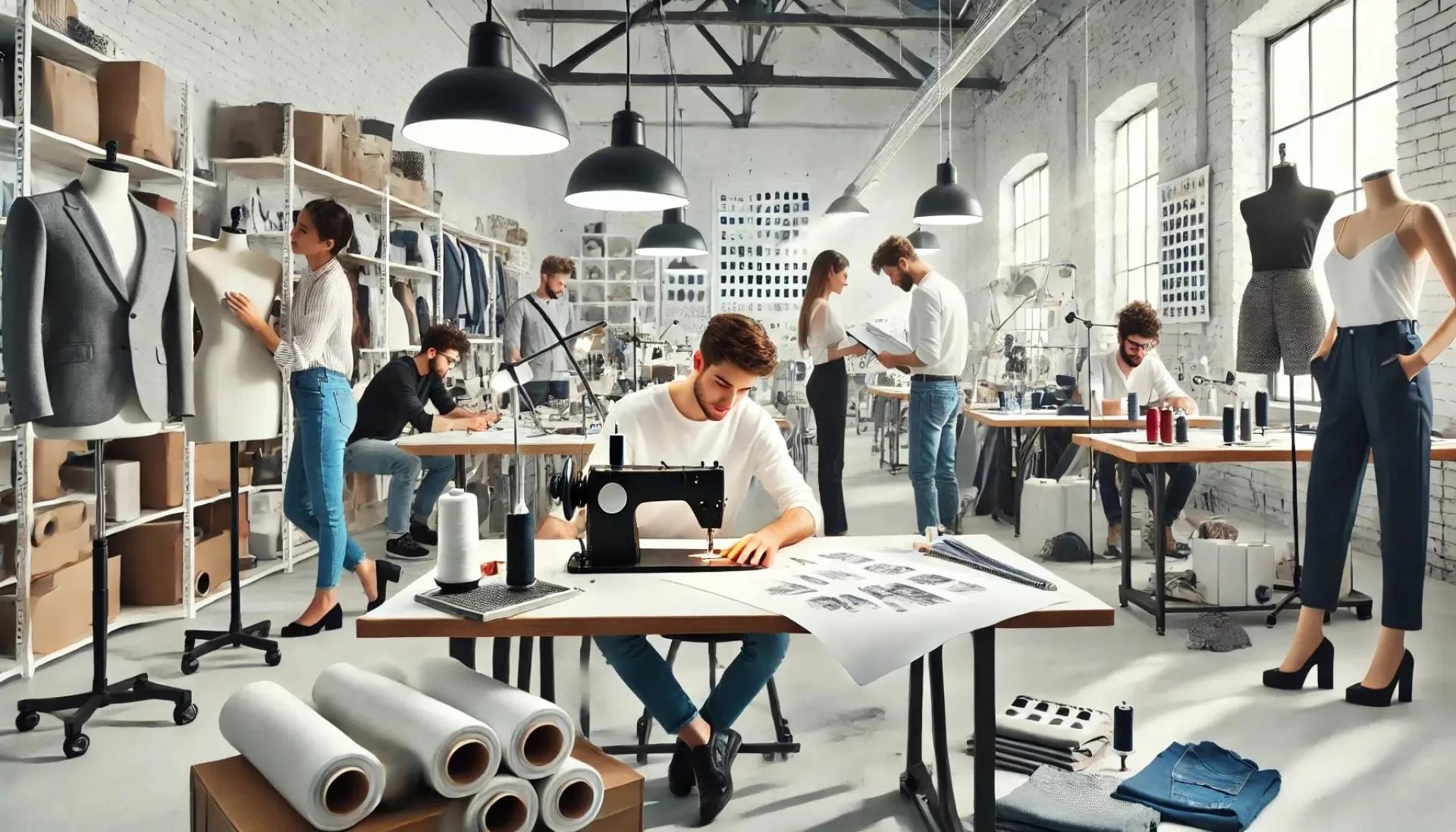
The collaboration between designers and clothing manufacturers plays a crucial role in the fashion industry. In 2024, this partnership has evolved significantly, leveraging new technologies, sustainability initiatives, and efficient production processes. Designers bring creativity and vision, while manufacturers turn those ideas into tangible, market-ready products. Understanding how these two entities collaborate ensures a smoother production process and higher-quality garments that meet consumer expectations.
The Role of Designers in Fashion Collaboration
Designers are responsible for conceptualizing and sketching clothing lines that align with their brand identity and target audience. Their role includes:
Conducting market research to identify trends.
Creating sketches and digital renderings using software like Adobe Illustrator or CLO 3D.
Selecting fabrics, colors, and patterns that align with their vision.
Communicating design specifications and technical details to manufacturers.
With the advancement of AI-powered design tools in 2024, designers can now test and refine their ideas more efficiently before presenting them to manufacturers.
The Role of Clothing Manufacturers
Clothing manufacturers play a vital role in bringing designs to life. Their responsibilities include:
Reviewing design specification
ons and providing feedback on feasibility.
Sourcing materials and ensuring fabric quality.
Creating samples and prototypes for approval.
Handling bulk production while maintaining quality control.
Managing logistics, packaging, and delivery to retailers or customers.
In 2024, manufacturers are increasingly adopting automation and digital solutions to streamline production, reducing lead times and costs.
Key Stages of Collaboration
1. Initial Concept Meeting
The first step in collaboration is the initial concept meeting, where designers share their vision with the manufacturer. This involves discussing:
Design inspirations and sketches.
Target market and price points.
Sustainability goals, if applicable.
Production timelines and budgets.
2. Technical Design and Prototyping
Once the concept is approved, manufacturers create a technical design, which includes:
Detailed specifications for stitching, fabric selection, and fit.
3D garment visualization to simulate the final product.
The development of prototypes or samples for designer approval.
This phase helps designers make necessary adjustments before bulk production begins.
3. Material Sourcing and Testing
Manufacturers source fabrics and materials based on the designer’s preferences. In 2024, sustainable sourcing is a priority, with many manufacturers opting for organic cotton, recycled polyester, and biodegradable dyes. Fabric testing ensures:
Durability and colorfastness.
Comfort and breathability.
Compliance with industry standards and regulations.
4. Production and Quality Control
Once materials and samples are approved, manufacturers proceed with bulk production. Key considerations in this stage include:
Automation and AI-driven quality checks to detect defects early.
Ethical manufacturing practices to ensure fair wages and safe working conditions.
Regular communication between designers and manufacturers to resolve any production challenges.
5. Logistics and Distribution
After production, manufacturers handle logistics, ensuring timely delivery to designers, retailers, or e-commerce platforms. Many companies in 2024 use blockchain technology to track shipments and maintain transparency in the supply chain.
Trends Shaping Designer-Manufacturer Collaboration in 2024
1. Sustainable and Ethical Production
With increasing consumer demand for sustainable fashion, manufacturers and designers are prioritizing eco-friendly materials and ethical labor practices. Many collaborations now focus on minimizing waste, using upcycled fabrics, and implementing carbon-neutral production methods.
2. Technology Integration
AI-powered design tools, 3D printing, and automated sewing machines are revolutionizing the fashion industry. Designers and manufacturers use these technologies to:
Reduce production time and material waste.
Create highly detailed and accurate prototypes.
Improve supply chain efficiency.
3. Customization and Small-Batch Production
The demand for unique and limited-edition clothing lines has led to increased collaboration on small-batch production. Manufacturers offer flexible production runs, allowing designers to test new concepts without committing to large inventories.
4. Direct-to-Consumer (DTC) Models
More designers are launching direct-to-consumer brands, bypassing traditional retail channels. Manufacturers play a key role in enabling this model by providing dropshipping services and managing fulfillment.
Conclusion
The relationship between clothing manufacturers and designers is more dynamic than ever in 2024. Advancements in technology, sustainable practices, and changing consumer preferences are shaping the way these two entities collaborate. By leveraging digital tools, maintaining clear communication, and prioritizing ethical production, designers and manufacturers can create successful, market-ready clothing lines that resonate with modern consumers.












Sign in to leave a comment.