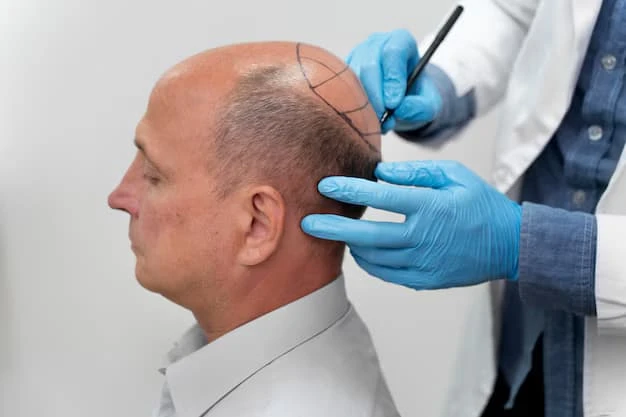

Hair loss can be a challenging experience that affects confidence and self image for many individuals. With advances in technology, solutions such as DHI robotic hair transplant have transformed the way hair restoration is approached. This modern technique focuses on precision, control, and natural looking results, making it an increasingly popular option. By combining advanced robotics with refined implantation methods, this approach aims to restore hair density while preserving scalp health and comfort.
Understanding Modern Hair Restoration Techniques
Hair restoration has evolved significantly over the years, moving from traditional surgical approaches to highly advanced and minimally invasive techniques. Modern methods focus on accuracy and customization rather than simply relocating hair follicles. This shift has improved outcomes and patient satisfaction. Technology now plays a central role in enhancing consistency and predictability.
Robotic assistance allows practitioners to work with greater precision. Each follicle can be handled carefully to maintain viability. This reduces trauma to both the donor and recipient areas. As a result, modern techniques deliver more refined and natural results.
What Is DHI Robotic Hair Transplant
DHI robotic hair transplant is an advanced hair restoration method that combines direct hair implantation with robotic precision. The process involves extracting individual hair follicles and implanting them directly into the scalp using specialized tools. Robotics assist in controlling depth, angle, and placement of each follicle. This level of control supports natural hair growth patterns.
Unlike older techniques, this method does not require creating incisions beforehand. Hair follicles are implanted immediately after extraction. This helps preserve follicle health and reduces handling time. The result is a more efficient and controlled procedure.
The Role of Robotics in Hair Transplant Precision
Enhanced Accuracy and Consistency
Robotic systems are designed to enhance accuracy during the hair transplant process. They assist in identifying optimal donor follicles and maintaining consistent extraction quality. This reduces the risk of follicle damage. Consistency is key to achieving uniform density.
Robotic assistance also supports precise placement in the recipient area. Each follicle is implanted at the correct depth and angle. This attention to detail ensures that hair grows in a natural direction. Precision contributes to a seamless final appearance.
Reduced Human Error
While expertise remains essential, robotic systems help minimize variability. They support practitioners by maintaining steady movements and precise measurements. This reduces fatigue related inconsistencies. As a result, outcomes are more predictable.
The collaboration between technology and professional skill enhances overall safety. Robotics do not replace expertise but complement it. This balance improves reliability throughout the procedure. Patients benefit from both innovation and experience.
How Direct Hair Implantation Improves Results
Direct hair implantation focuses on placing follicles directly into the scalp without prior channel creation. This method reduces the time follicles spend outside the body. Shorter exposure supports higher survival rates. Healthy follicles are more likely to produce strong hair growth.
This approach also allows for greater control over hairline design. Practitioners can adjust placement in real time. This flexibility supports personalized results. Natural density and shape are easier to achieve.
The Hairline Design Process
Importance of Natural Hairlines
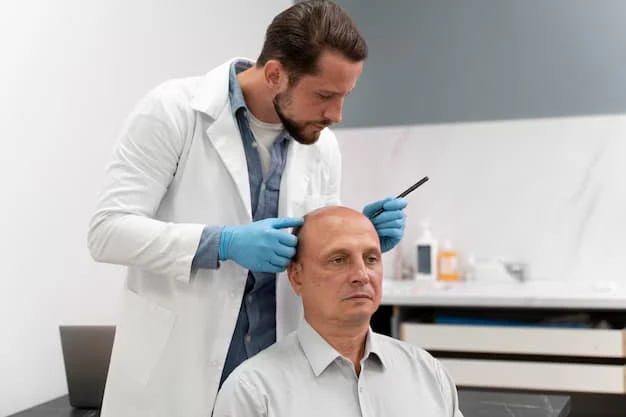
A natural hairline is essential for realistic hair restoration. The design considers facial structure, age, and existing hair patterns. Subtle irregularities are intentionally included. This prevents an artificial appearance.
Robotic precision supports detailed hairline creation. Each follicle is placed to mimic natural growth. Gradual density changes enhance realism. A well designed hairline blends seamlessly with existing hair.
Customization for Individual Needs
No two individuals have the same hair loss pattern. Customization ensures that results suit personal features. Hairline shape and density are adjusted based on goals. This personalized planning improves satisfaction.
Professional assessment guides the design process. Factors such as donor hair quality and scalp condition are evaluated. This ensures realistic expectations. Custom planning leads to balanced and harmonious outcomes.
Benefits of DHI Robotic Hair Transplant
One of the main benefits of this technique is precision. Robotics and direct implantation reduce unnecessary trauma. This supports faster recovery and healthier scalp conditions. Patients often experience minimal discomfort.
Another benefit is natural looking density. Controlled placement allows even distribution of follicles. This enhances fullness without overcrowding. The final result appears organic and well integrated.
Recovery and Healing Process
Faster Recovery Experience
Because the technique is minimally invasive, recovery is generally smooth. The absence of large incisions reduces swelling and discomfort. Many individuals return to normal routines quickly. Healing focuses on small implantation points.
Post procedure care supports optimal recovery. Gentle scalp care and hydration are important. Professionals provide guidance for each stage. This structured support enhances comfort.
Growth Timeline Expectations
Hair growth occurs gradually after the procedure. Initially, transplanted hairs may shed as part of the natural cycle. New growth typically begins after a few months. Full results develop over time.
Patience is essential during this process. Growth continues to improve over several months. Regular follow ups track progress. Understanding the timeline helps manage expectations.
Suitability for Different Types of Hair Loss
This technique is suitable for many types of hair loss. It can address receding hairlines, thinning crowns, and overall density loss. Both men and women may benefit. Professional assessment determines suitability.
Factors such as donor hair availability are considered. Scalp health also plays a role. Personalized evaluation ensures safety and effectiveness. This tailored approach maximizes success.
Importance of Professional Expertise
Although robotics enhance precision, professional expertise remains essential. Skilled practitioners guide the process and make critical decisions. Their experience influences design and execution. Technology supports but does not replace human judgment.
Training ensures proper use of robotic systems. Professionals understand how to adapt techniques to individual needs. This collaboration leads to high quality outcomes. Expertise and technology work together seamlessly.
Long Term Results and Maintenance
Hair transplanted through this method is typically permanent. Transplanted follicles retain their growth characteristics. Over time, hair can be styled and maintained like natural hair. This permanence adds value to the treatment.
Maintaining overall hair health remains important. Healthy lifestyle habits support scalp condition. Follow up care ensures longevity of results. Long term satisfaction depends on both treatment and maintenance.
Emotional and Confidence Benefits
Restoring hair can have a positive emotional impact. Many individuals feel more confident and comfortable with their appearance. This confidence can influence social and professional interactions. Emotional wellbeing is closely linked to self image.
Seeing gradual improvement reinforces positive feelings. The natural appearance supports authenticity. Confidence gained from hair restoration often extends beyond aesthetics. It contributes to overall quality of life.
Common Misconceptions About Robotic Hair Transplants
Some believe robotic procedures lack a personal touch. In reality, technology enhances customization. Professional input remains central throughout the process. Robotics support precision rather than automation alone.
Another misconception is instant results. Hair restoration is gradual by nature. Understanding this helps set realistic expectations. Education and consultation address these concerns.
Preparing for the Procedure
Preparation involves consultation and planning. Medical history and hair loss patterns are reviewed. This ensures suitability and safety. Clear communication sets expectations.
Lifestyle adjustments may be recommended before treatment. Proper preparation supports smoother outcomes. Following professional advice enhances success. Preparation is an important foundation.
Post Procedure Care and Guidance
Aftercare focuses on protecting the scalp. Gentle washing and avoiding irritation are key. Professionals provide detailed instructions. This care supports healthy healing.
Follow up appointments monitor progress. Adjustments are made if needed. Ongoing support builds confidence. Proper aftercare maximizes results.
Conclusion
DHI robotic hair transplant represents a significant advancement in precise and natural hair restoration. By combining robotic accuracy with direct implantation techniques, this approach enhances follicle survival and delivers refined results. Personalized planning, professional expertise, and advanced technology work together to support lasting hair restoration and renewed confidence. For individuals seeking expert guidance and advanced hair restoration solutions, Este Medical Group Birmingham provides professional care tailored to achieve natural and satisfying outcomes.









Sign in to leave a comment.