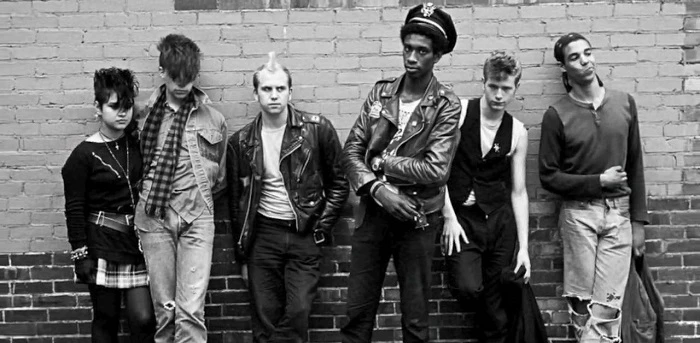

When Grunge Music exploded onto the global stage in the early 1990s, it brought more than a new sound. It reshaped the entire visual culture of popular music. Music videos, once dominated by glamor, excess, and idealized imagery, began to mirror the raw, emotional honesty of the Seattle-based movement. What emerged was a gritty, unpolished visual language that rejected the artificiality of the previous decade.
Grunge bands like Nirvana, Pearl Jam, Soundgarden, and Alice in Chains were not interested in polished presentation. Their videos reflected the same authenticity that defined their sound. Camera work became shaky, colors looked muted, and settings were grounded in reality rather than fantasy. In many ways, the rise of Grunge Music marked a turning point in how artists communicated visually with their audiences.
This article explores how Grunge Music changed music video aesthetics, emphasizing mood, realism, and emotion over spectacle.
The Cultural Background of Grunge Music
From Underground to Mainstream
Before it became a mainstream phenomenon, Grunge Music was part of the underground rock scene of the Pacific Northwest. Bands played in small clubs, and their recordings were raw and unfiltered. The local culture valued sincerity over image, which directly influenced how these artists approached visual representation.
When Nirvana released Smells Like Teen Spirit in 1991, the video revolutionized music television. It captured a high school gym filled with rebellion, smoke, and chaos, filmed in a way that felt spontaneous. The camera didn’t glamorize the band; it placed viewers inside the energy of the crowd. This authenticity resonated with a generation tired of synthetic pop visuals.
The rise of MTV had made music videos a central part of the industry, but grunge broke the rules. It replaced excess with emotional realism. This shift reshaped expectations for what a video should feel like.
Rejecting 1980s Aesthetics
In the 1980s, music videos were glossy and cinematic. Artists like Michael Jackson and Madonna used storylines, choreographed dances, and vibrant color palettes. Grunge bands rejected all of that. Their videos were intentionally minimal. They stripped away luxury and replaced it with an atmosphere of decay, urban isolation, and introspection.
This change represented more than style—it was ideology. The artists of Grunge Music wanted to strip artifice from rock culture. The muted tones, handheld cameras, and lack of perfection in their videos embodied the same spirit that their songs expressed: emotional honesty and alienation in a changing world.
The Visual Language of Grunge
The Rise of Realism in Music Videos
A defining feature of Grunge Music videos is their focus on realism. Directors captured performances as if they were documenting events rather than constructing elaborate scenes. Videos like Pearl Jam’s Even Flow or Soundgarden’s Rusty Cage used natural lighting and live concert footage, blurring the line between performance and documentary.
The realism extended beyond aesthetics. The locations themselves—abandoned buildings, warehouses, schools, and outdoor fields—symbolized the emptiness and restlessness that characterized Generation X. Viewers could feel the authenticity because it was not manufactured in a studio.
Even the clothing and body language of musicians contributed to this style. Flannel shirts, unkempt hair, and subdued color palettes matched the tone of the visuals. The result was a consistent artistic identity between sound and image.
The Emotional Weight of Imperfection
Another key feature of grunge-inspired videos is the embrace of imperfection. Directors intentionally used grainy textures, overexposed frames, and jump cuts. These visual flaws enhanced the emotional impact. They reflected the inner turmoil and confusion expressed in the lyrics.
The imperfections also symbolized resistance. Grunge artists refused to conform to commercial standards of beauty and perfection. Their videos made that rebellion visible. A camera could shake during a performance, lighting could flicker unevenly, and scenes could feel unfinished—and yet that rawness carried immense power.
Color and Atmosphere
Color played an essential role in shaping the grunge video aesthetic. The hues were often cold and desaturated, dominated by grays, greens, and browns. This color scheme mirrored the overcast weather of Seattle and the melancholic tone of the music.
Directors like Samuel Bayer and Kevin Kerslake mastered this mood. Their videos used lighting to evoke decay and introspection. Shadows became metaphors for emotional pain, while dull colors reinforced the sense of realism. Through these choices, Grunge Music transformed color
Iconic Examples of Grunge Video Expression
Nirvana and Visual Rebellion
No discussion of Grunge Music video style is complete without Nirvana. The Smells Like Teen Spirit video redefined how rebellion could look on screen. Instead of a sleek dance routine, it offered chaos: students rioting in a gym, the camera swirling between sweat and smoke.
Kurt Cobain’s refusal to lip-sync perfectly or perform theatrically became part of the video’s power. The messy energy reflected the message of the song—disillusionment and rebellion against conformity. The lighting, the haze, and the spontaneous camera angles shaped a new visual identity for rock.
Later Nirvana videos like Come as You Are and Heart-Shaped Box continued this trend. They mixed surreal imagery with grounded emotion, showing that imperfection could still produce profound artistic impact.
Pearl Jam’s Cinematic Grit
Pearl Jam’s approach to video production also defined grunge aesthetics. Their early videos were stark and emotional. Jeremy used strong visual storytelling to portray alienation and tragedy without glamorizing it. The muted tones and symbolic imagery gave the narrative raw authenticity.
In Even Flow, live footage captured the band’s intensity without excessive editing. The viewer felt the energy of the moment as if standing in the crowd. This unfiltered style became a template for countless rock videos that followed.
Soundgarden and the Abstract Edge
Soundgarden pushed grunge visuals toward abstraction. Their videos, such as Black Hole Sun, used surrealism but maintained the gritty textures of grunge. The distorted faces, melting skies, and eerie lighting represented psychological chaos. It was a balance between raw human expression and artistic experimentation.
This combination of realism and surrealism became a hallmark of Grunge Music on screen. It proved that emotional authenticity could coexist with creative imagery, as long as it stayed grounded in real human feeling.
The Broader Cultural Impact
Influence on Later Music Genres
The grunge aesthetic did not vanish when the movement faded in the late 1990s. It influenced alternative rock, post-grunge, indie, and even pop. Artists began to adopt the visual language of authenticity: handheld cameras, muted tones, and minimal production.
The emotional realism pioneered by Grunge Music videos can be seen in later works by artists like Radiohead, Foo Fighters, and even some modern hip-hop acts that use lo-fi visual elements to convey honesty. The idea that imperfection equals truth became a standard visual philosophy across genres.
Impact on Music Video Direction
Grunge changed how directors approached storytelling. Instead of creating glossy fantasies, they began focusing on emotion, narrative ambiguity, and mood. The viewer was no longer a passive spectator but a participant in the experience.
This shift influenced not just rock but the broader field of visual media. The handheld, documentary-style cinematography seen in grunge videos later appeared in films, television dramas, and advertising. Grunge aesthetics helped redefine authenticity in visual storytelling.
The Legacy of Grunge Visual Style
From MTV to YouTube
The impact of Grunge Music continues in today’s digital era. Independent artists on YouTube and other platforms still use the same visual cues—grainy textures, low lighting, and real-world settings—to signal sincerity. The grunge spirit lives in every DIY video that prioritizes emotion over production value.
The movement also inspired a generation of filmmakers who learned that storytelling could emerge from imperfection. The same sense of realism that once made grunge videos revolutionary now defines much of online content creation.
Authenticity as Timeless Aesthetic
Ultimately, grunge reshaped not only the sound but also the visual soul of modern music. It taught artists and audiences that truth can be messy, beauty can exist in flaws, and sincerity can outshine spectacle.
In rejecting the glamour of the past, Grunge Music gave birth to a new form of visual authenticity—one that continues to influence how music videos are made today. The legacy of its raw, emotional imagery proves that even decades later, grunge is not just a sound or a style; it is a way of seeing the world.








Sign in to leave a comment.