
Night diving opens up a completely different world beneath the waves. When the sun disappears, the ocean comes alive with unique marine creatures and vibrant colors that remain hidden during the day. To capture this after-dark spectacle, underwater photographers turn to specialized lighting—especially green lighting—for the best results.
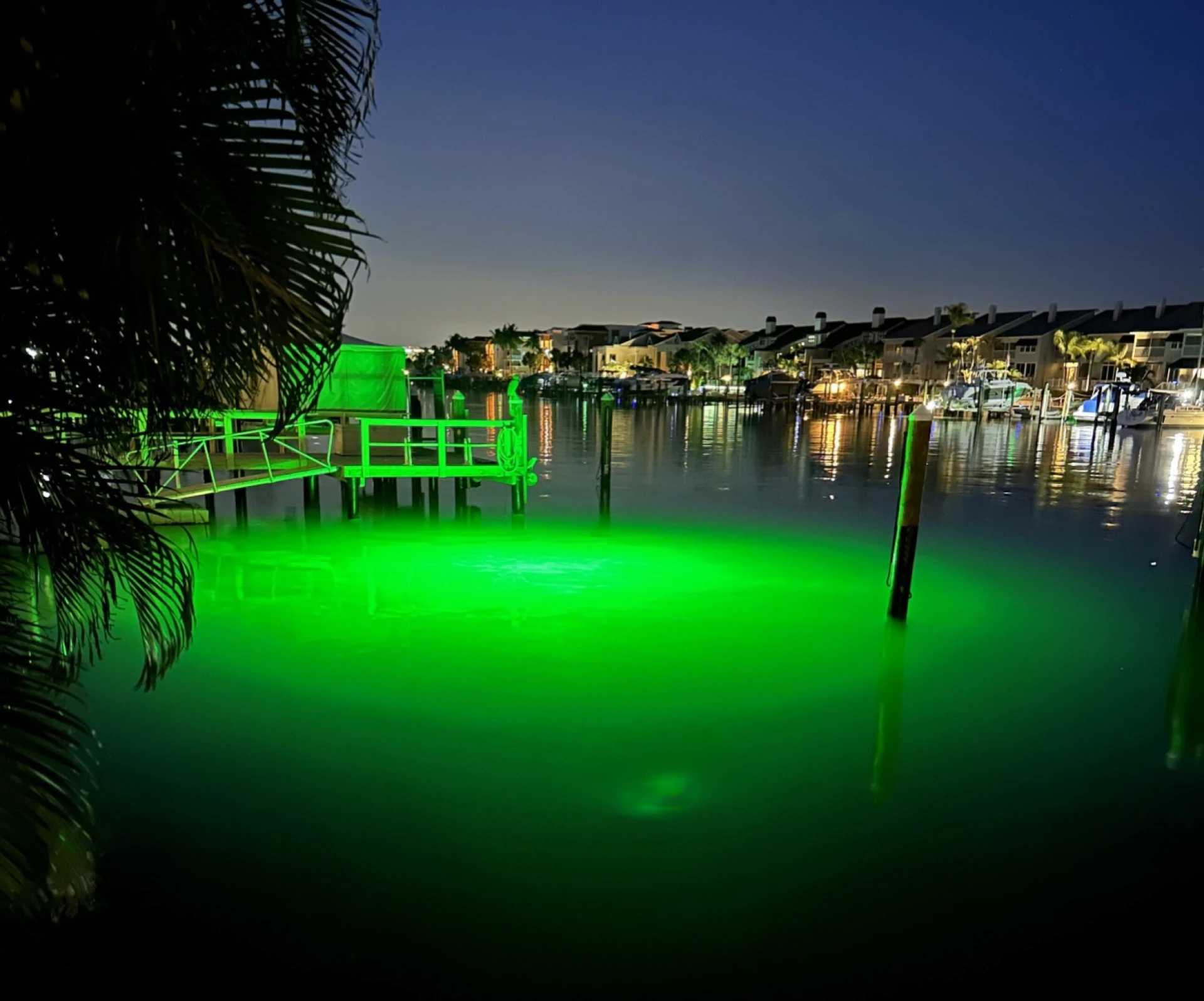
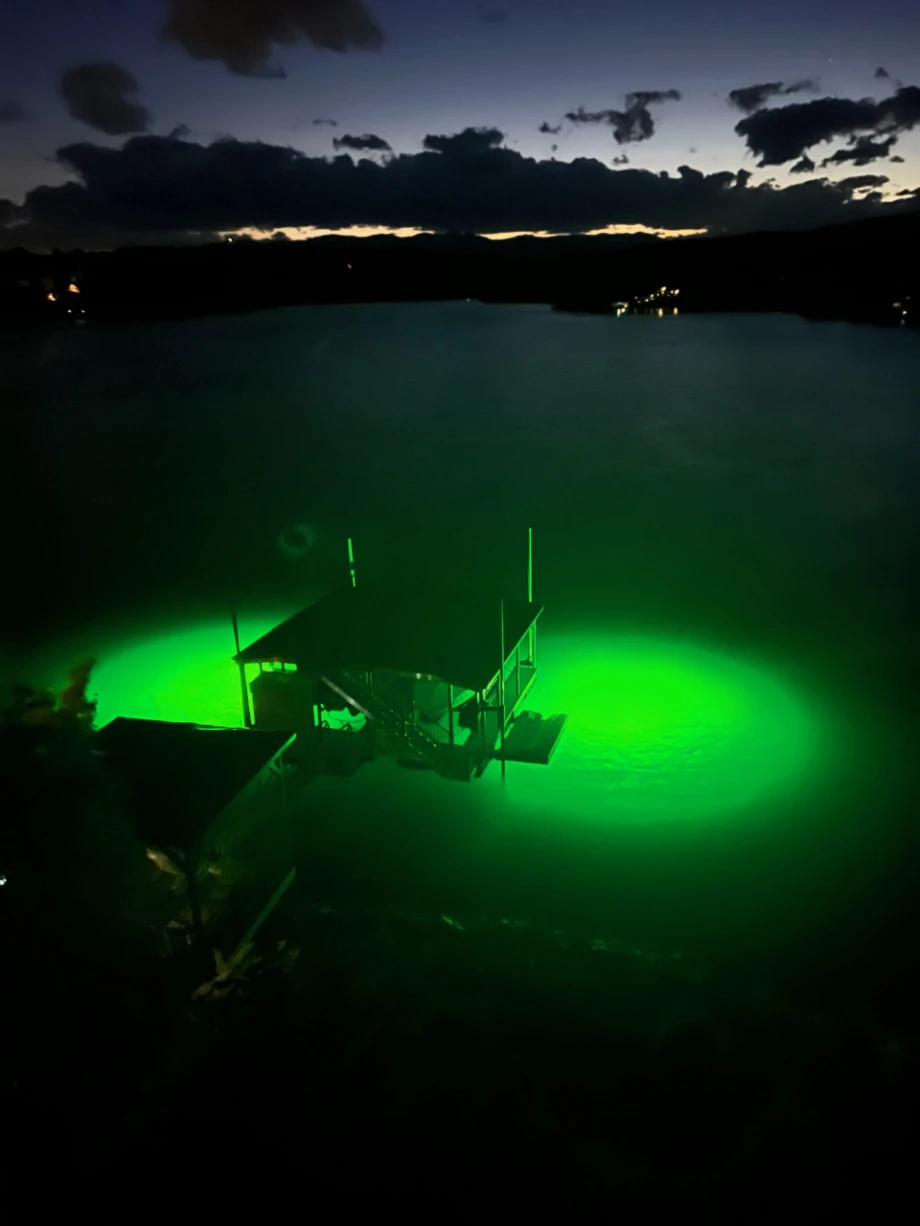
While LED underwater dock lights are popular for attracting fish and illuminating coastal waters, the same green light technology plays a vital role in underwater night photography. Divers use green lights to improve visibility, enhance color clarity, and reduce the scattering effects that often degrade image quality in low-light marine environments.
Why Green Light is Ideal for Underwater Photography
Water absorbs light quickly, and different wavelengths behave differently at various depths. Red and orange are absorbed almost immediately, while green light penetrates much farther. This is why the underwater world often appears green even in natural daylight.
For night photography, green LED lights offer several distinct advantages:
· Longer penetration: Green light travels farther through water, making it ideal for illuminating subjects from a distance.
· Better contrast: Green lighting enhances the edges and textures of marine life, providing better definition for photos.
· Less backscatter: Backscatter is the reflection of light off particles in the water, which can ruin an image. Green lights reduce this effect compared to broad-spectrum white lights.
Because of these benefits, photographers often use green lights either as their main light source or in conjunction with strobes and other lighting tools.
Attracting Marine Life with Green Lights
Green lights don’t just illuminate the subject, they attract it. Similar to how LED underwater dock lights lure baitfish and plankton, green diving lights have a biological effect on marine ecosystems.
When used in darker environments, green lights draw in small organisms like plankton. This in turn attracts larger animals such as squid, shrimp, and certain fish species. Photographers can take advantage of this by positioning themselves near the light and waiting for the marine life to come into range naturally.
This method is especially useful for wide-angle shots of schooling fish or close-ups of animals that might otherwise stay hidden in the dark.
Equipment Setup: Choosing the Right Green Light
Underwater photography requires gear that can withstand pressure, saltwater, and movement while still delivering crisp illumination. When selecting green lights for diving photography, consider the following:
· Lumens: Choose a light with at least 1000 lumens for general use. Higher-output lights are better for wide scenes or murky water.
· Beam angle: A wider beam (60 to 120 degrees) provides more coverage, while a narrow beam is better for spotlighting specific subjects.
· Mounting options: Ensure the light can be securely mounted to your camera rig, tray, or arm.
· Color temperature: Although green light is the goal, some models allow for customization between green, blue, and white tones.
Always test your lights in shallow water before attempting deep or complex night dives to ensure proper function and beam consistency.
Techniques for Capturing the Best Night Shots
Lighting is everything in night photography, and when working underwater, your setup becomes even more important. Here are a few proven techniques to use with your green light system:
1. Use Manual Settings
Relying on automatic camera settings often results in underexposed or grainy images. Switch to manual mode to control your shutter speed, aperture, and ISO for more creative control.
2. Control the Angle of Your Light
Avoid pointing your light directly at your subject, as this can wash out details or create flat images. Instead, position your light at an angle to highlight texture and shape.
3. Avoid Stirring Up Sediment
Finning near the seafloor or reef can kick up particles that reflect your light. Approach your subjects carefully and maintain good buoyancy to prevent this.
4. Use Multiple Light Sources
Pairing your green light with a secondary white light or strobe can help balance color and provide a more natural look in your images.
5. Be Patient
Night dives often require patience. Let the green light do its job attracting marine life. Stay still and be ready for the perfect shot when creatures drift into the illuminated area.
Safety Considerations for Night Dives with Lighting
While photography is the focus, safety should never take a back seat. Always dive with a buddy, maintain proper depth awareness, and ensure your lights are securely attached.
Carry a backup white flashlight in case your primary lighting fails, and make sure your dive computer or timer is visible and functioning in the dark. Familiarize yourself with your equipment on land or in daylight conditions before taking it into a night dive.
Final Thoughts
Underwater green lights are powerful tools in the hands of skilled night divers and photographers. They illuminate hidden marine beauty, attract fascinating creatures, and enable photographers to capture the ocean in ways that natural light cannot.
Although LED underwater dock lights are commonly associated with fishing and waterfront aesthetics, the same green light principles apply to diving gear. Whether you're capturing the flicker of plankton or the shimmer of a hunting squid, green lighting transforms the night ocean into a photographer's playground.
Capture the Magic of the Deep with Green Underwater Lights from Incredible Underwater LED Lighting
Enhance your night dives or dockside experience with fish attracting LED lights. Shop the best underwater dock lights and LED fishing lights online for stunning underwater visibility.Contact now to find out more.













Sign in to leave a comment.