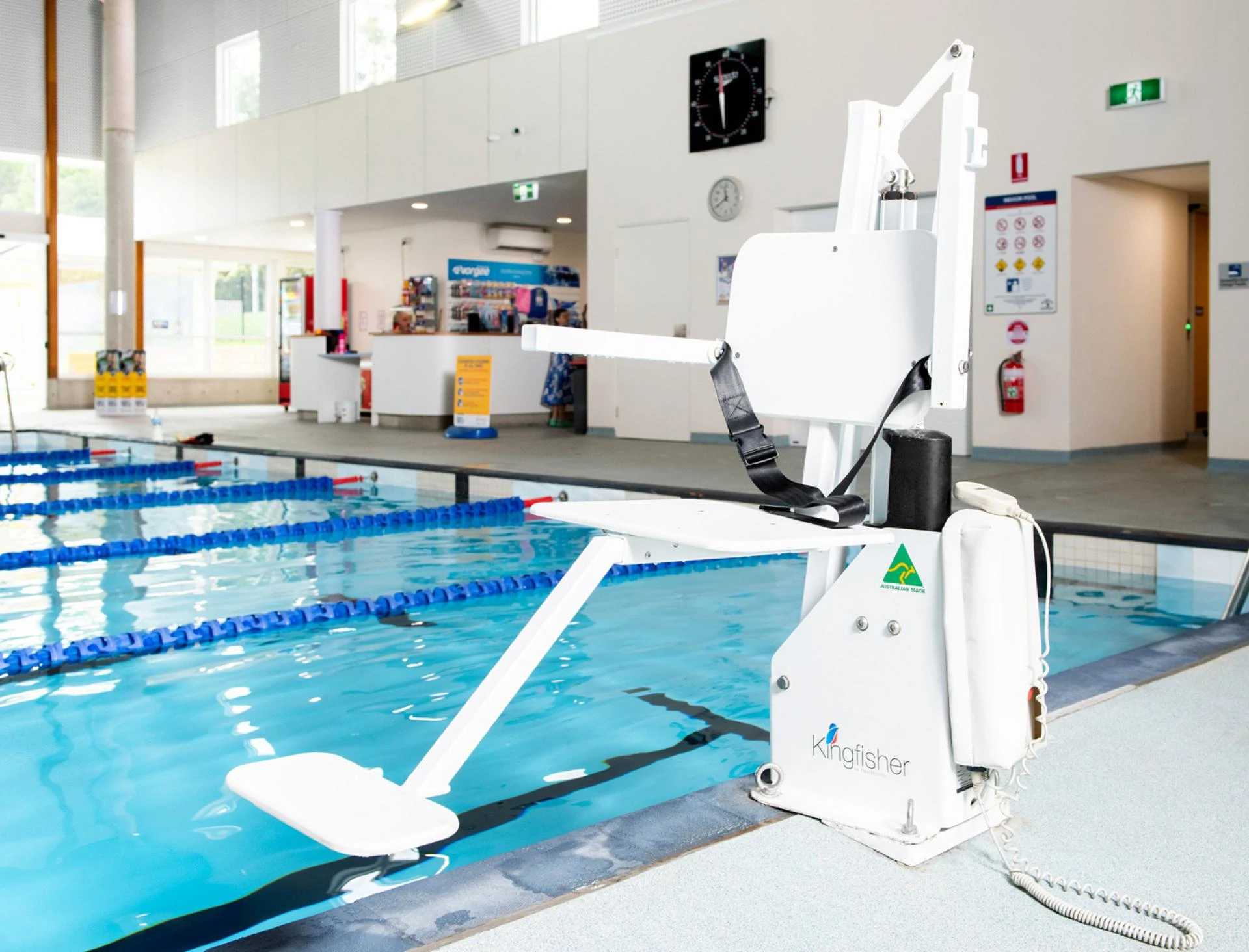

Providing safe and respectful care for elderly individuals is a top priority in aged care settings, and reliable hoists for aged care play a crucial role in achieving this goal. These specialised lifting devices are designed to assist caregivers in transferring patients with limited mobility, reducing physical strain and minimising the risk of injury. Beyond functionality, they also help preserve the dignity and comfort of patients during movement. As care standards continue to evolve, investing in high-quality hoists has become essential for both safety and efficiency.
Enhancing Safety for Patients and Caregivers
One of the primary benefits of using hoists in aged care is improved safety. Manual lifting can lead to injuries for both patients and caregivers, especially when dealing with limited mobility or fragile health conditions. Hoists provide stable and controlled transfers, significantly reducing the risk of falls or strain-related injuries. This not only protects physical well-being but also promotes confidence among caregivers when handling daily tasks.
Supporting Patient Dignity and Comfort
Maintaining dignity is a fundamental aspect of quality care, and hoists contribute significantly to this objective. Smooth and secure transfers help patients feel more comfortable and less anxious during movement. Modern hoists are designed with padded slings and adjustable features that accommodate different body types and needs.
Types of Hoists for Different Needs
There are various types of hoists available, each suited to specific care requirements. Mobile hoists offer flexibility and can be moved easily between rooms, while ceiling-mounted hoists provide a more permanent solution with minimal floor obstruction. Sit-to-stand hoists are ideal for patients who retain some mobility and can assist in partial weight-bearing transfers.
Improving Efficiency in Care Settings
Reliable hoists streamline daily caregiving tasks, allowing staff to perform transfers more efficiently. This reduces the time and effort required for each movement, enabling caregivers to focus on other important aspects of patient care. In facilities with high patient volumes, this efficiency can significantly improve overall workflow and service quality.
Compliance with Health and Safety Standards
Aged care facilities are required to adhere to strict health and safety regulations, and the use of proper lifting equipment is a key component. High-quality hoists meet these standards, ensuring compliance and reducing liability risks. Regular maintenance and staff training further enhance their effectiveness and safety.
Bottom-Line
Reliable hoists for aged care are essential tools in aged care, ensuring safe, efficient, and dignified patient transfers. They protect both patients and caregivers while enhancing comfort and operational efficiency.









Sign in to leave a comment.