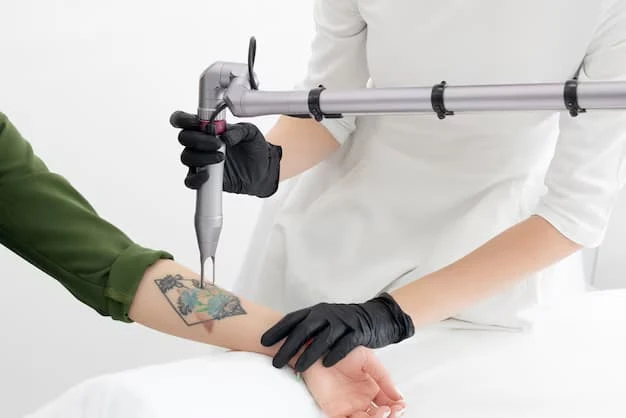

The popularity of tattoos has soared in recent years, leading many individuals to express their identity through body art. However, as preferences change, the need for tattoo removal has also increased. This article explores the effectiveness of laser tattoo removal in Edinburgh, examining the technology behind the process, its advantages, potential side effects, and what individuals can expect during treatment.
Understanding Laser Tattoo Removal
Laser tattoo removal has emerged as one of the most effective methods for erasing unwanted tattoos. This technique relies on advanced laser technology to break down the ink particles embedded in the skin.
How the Process Works
During a laser tattoo removal session, a specialized laser emits high-intensity light that targets the tattoo ink. The energy from the laser is absorbed by the ink particles, causing them to fragment into smaller pieces. This process allows the body's immune system to gradually eliminate the broken-down ink over time.
Types of Lasers Used
Different lasers are used for various ink colors. The most common types include:
- Q-Switched Lasers: These are often used for their effectiveness in treating a range of ink colors, making them a popular choice for tattoo removal.
- Pico Lasers: These newer lasers work at an even faster speed, potentially leading to quicker results and fewer sessions.
The Advantages of Laser Tattoo Removal
Laser tattoo removal offers several benefits, making it a preferred choice for many individuals in Edinburgh.
Precision and Targeting
One of the main advantages is the precision of the laser. The technology allows for targeted treatment, meaning surrounding skin is less affected, reducing the risk of scarring and other complications.
Minimal Discomfort
Most patients report minimal discomfort during the procedure. While some may experience a sensation similar to that of a rubber band snapping against the skin, advanced techniques often include cooling systems that enhance comfort during treatment.
Tailored Treatment Plans
Each tattoo is unique, and so are the individual’s skin type and tone. Laser tattoo removal practitioners often create personalized treatment plans that consider these factors, optimizing the effectiveness of the removal process.
What to Expect During the Treatment
Individuals considering laser tattoo removal should be well-informed about the treatment process.
Initial Consultation
The journey typically begins with an initial consultation where a practitioner evaluates the tattoo and discusses the desired outcome. This is an essential step to determine the best approach and expectations.
Treatment Sessions
The number of sessions required varies depending on several factors, including the tattoo's size, colors, and depth of ink. On average, individuals may need between 5 to 10 sessions for optimal results. Sessions are usually spaced about 6 to 8 weeks apart to allow the skin to heal and the body to process the ink.
Aftercare
Post-treatment care is crucial for optimal healing. Practitioners will provide specific instructions that may include keeping the area clean, avoiding sun exposure, and applying recommended ointments to support healing.
Potential Side Effects and Risks
While laser tattoo removal is generally safe, it is important to be aware of potential side effects.
Common Side Effects
Some individuals may experience temporary side effects such as redness, swelling, and blistering in the treated area. These effects typically subside within a few days.
Rare Complications
In rare cases, patients may experience pigment changes in the skin, either lightening or darkening. This is more common in individuals with darker skin tones. Consulting with a qualified practitioner can help minimize these risks.
Factors Influencing Effectiveness
The effectiveness of laser tattoo removal can be influenced by various factors.
Ink Color and Type
The color of the ink plays a significant role in how effectively it can be removed. Dark colors, especially black, tend to respond better to laser treatment, whereas lighter colors like green and yellow may require more sessions.
Skin Type and Tone
An individual’s skin type and tone also affect treatment outcomes. Practitioners will often assess these factors during the initial consultation to create a tailored approach.
Tattoo Age
Older tattoos may respond better to removal, as the body has already begun to break down the ink over time. Newer tattoos might require more sessions for complete removal.
Comparing Alternative Tattoo Removal Methods
While laser tattoo removal is highly effective, some individuals may explore alternative methods.
Surgical Removal
Surgical excision involves cutting out the tattooed skin and stitching the remaining skin together. This method can be effective for small tattoos but may leave noticeable scars.
Chemical Peels
Chemical peels involve applying a solution to the tattooed area, which can help fade the ink. However, this method is generally less effective than laser removal and may require multiple treatments.
Conclusion
Laser tattoo removal is a highly effective solution for those looking to erase unwanted ink in Edinburgh. With its precision, minimal discomfort, and tailored treatment plans, many individuals find this method suits their needs. Este Medical Group Edinburgh stands out as a trusted provider in this field, offering professional consultations and expert care. If you are considering tattoo removal, take the first step today and consult with a specialist to explore your options for a fresh start.









Sign in to leave a comment.