
Artificial intelligence (AI) and smart technologies are no longer confined to tech labs or innovation conferences in a world that is rapidly transforming; rather, they are becoming essential to the operation of various industries. Once sluggish to innovate, the energy sector is currently experiencing a quiet revolution. Energy providers are at the forefront of this change, largely implementing smart technology to rethink everything from forecasting and sustainability to billing and customer service.

Understanding this digital evolution is more than just a curiosity for companies that depend on energy stability, efficiency, and transparency; it's a competitive requirement. Artificial intelligence (AI) and smart technology are changing the energy market and the implications for the companies they serve.
The Driving Factors Behind this Transformation
Asking why energy providers are making significant investments in digital tools is important before getting into the "how."
Expectations from Customers Have Shifted
As banks, e-commerce sites, and digital services provide speed, transparency, and personalisation, business owners also demand their energy suppliers to do the same. The traditional reactive utility paradigm is no longer sufficient.
The New Source of Power Is Data
Large amounts of data, ranging from pricing models and infrastructure performance to usage patterns and weather trends, are in the hands of energy providers. The adoption and integration of AI and machine learning have made actionable data possible and made it effortless for business energy suppliers to manage the data.
Imperative to Adopt Net-Zero Objectives
Energy suppliers are required to supply more than just power, as ESG commitment has become a crucial part of company strategy; they are also required to provide insights, efficiency tools, and sustainability alignment.
Improved Demand Management and Forecasting
Demand forecasting is one of the most significant uses of AI in the energy industry. In the past, energy suppliers calculated demand using historical averages, which frequently resulted in either an excessive or insufficient purchase of energy. AI systems can now analyse:
- Current weather information
- Cycles of business operations
- Trends by season
- Fluctuating trends in the external market
The outcome? Better energy procurement choices, more precise forecasts, and cost savings that can be transferred to consumers. Businesses will benefit from more stable contracts, fewer price shocks, and a lower chance of supply strain during peak periods.
Smart Energy Tracking for Commercial Users
These days, business energy suppliers offer AI-powered monitoring tools and smart dashboards that give companies real-time information about their usage. This tracking often includes:
- Hourly breakdowns of usage
- Warnings of unusual spikes or waste
- AI-generated suggestions for increasing productivity according to your unique usage patterns
- Comparisons to other companies in your industry
Customised Pricing Structures and Intelligent Tariffs
One-size-fits-all energy plans are obsolete. Power suppliers can now offer dynamic pricing that adapts to your actual usage patterns, all thanks to artificial intelligence. This implementation opens doors to new possibilities:
- Time-of-use tariffs that incentivise consumption during off-peak hours
- Personalised agreements that coincide with your busiest times or peak seasons
- Bundled services like solar and grid energy that are tailored to your operations and location
If properly understood and handled, these smart tariffs can provide a significant financial benefit to companies looking to maintain flexibility and cost-consciousness.
Automation in Billing and Customer Service
Even though "automation" may sound impersonal, in reality, it frequently results in quicker resolution, fewer mistakes, and improved customer experiences. Energy providers are progressively adopting:
- AI-driven chatbots that can handle contract or billing questions around the clock
- Platforms for automated billing that identify irregularities or predict upcoming bills based on usage
- Self-service portals that allow companies to handle payments, download ESG reports, and monitor usage
As a result of this change, business owners and facilities managers will have more time to concentrate on what really matters rather than chasing down invoices or standing in customer service lines.
Improved Sustainability and ESG Reporting
Energy providers can now offer more than just "green tariffs" thanks to AI tools. They are assisting companies to:
- Monitor carbon emissions in real time.
- Create ESG reports that are certified by suppliers.
- Make energy-saving recommendations based on behavioural data.
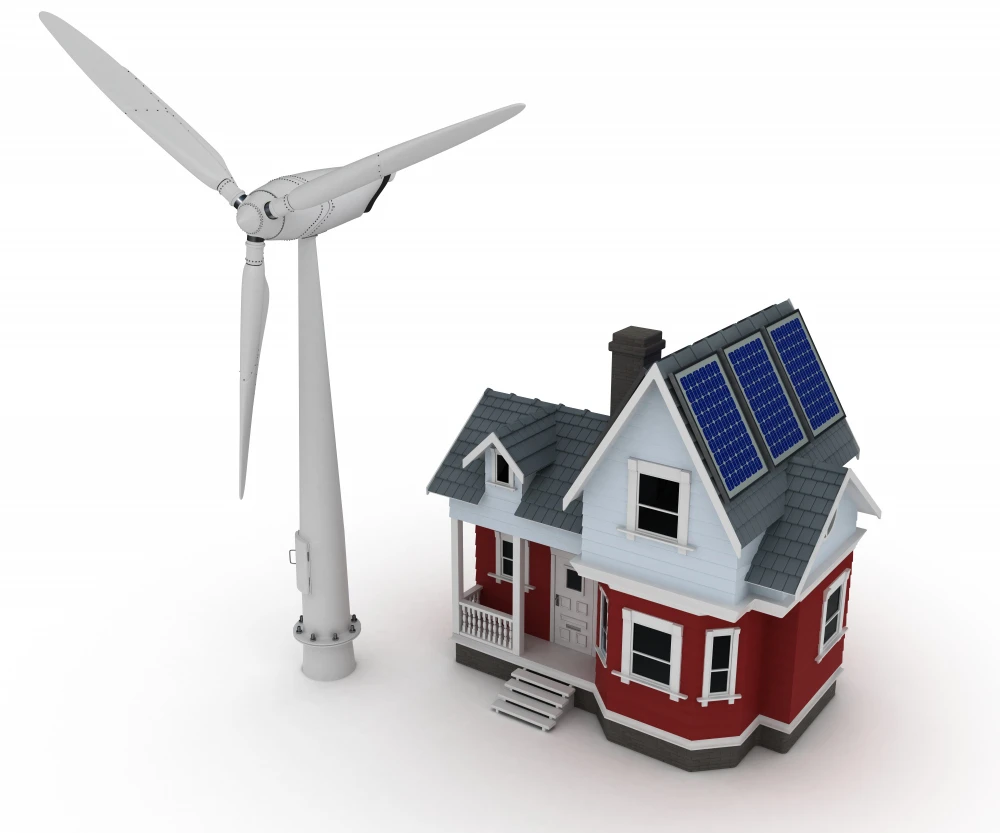
- Optimise on-site renewable energy sources (e.g., modifying solar battery usage to correspond with demand projections).
These tools are essential and becoming more and more expected for energy companies looking to meet sustainability goals or attract ESG-conscious investors.
Decentralised Energy Models and Grid Flexibility
A fundamental rethinking of the conventional centralised energy model is made possible by smart technology. Suppliers can now handle microgrids and decentralised energy sources much more nimbly thanks to artificial intelligence (AI) and the Internet of Things (IoT). This is especially noteworthy for:
- Energy companies that produce their energy using renewable resources and feed it back into the grid
- People living in isolated places with unreliable traditional infrastructure
- Businesses seeking to purchase or sell extra energy during market turbulence
More chances for resilience, savings, and autonomy are presented as the supplier's role evolves from that of a simple provider to that of an energy ecosystem manager.
Smart Risk Management and Cybersecurity
Energy systems are more susceptible to cyberattacks as they become more intelligent. To ensure business continuity, the top energy providers are making significant investments in AI-based cybersecurity. This investment includes:
- Intrusion detection in real time
- Automated reactions to online dangers
- Energy transaction validation using blockchain technology
Businesses can feel more at ease knowing that their supplier prioritises digital risk management, especially those in delicate industries like manufacturing or healthcare.
How to Spot a Tech-Driven Energy Supplier?
The gap between traditional and modern energy suppliers is widening as digital capabilities continue to increase. When assessing their options, businesses ought to enquire:
- Does the supplier have real-time insights into its smart meters?
- Are there AI-based tools available to support ESG reporting or assist in usage forecasting?
- Based on real business practices, is the energy supplier able to provide flexible tariffs?
- Does automated contract and billing management provide transparency?
- Does the supplier support decentralised systems or on-site renewables?
- Are data integrity and cybersecurity actively managed?
These are not questions about the future; rather, they are pertinent today, particularly for SMEs and businesses with an energy strategy that looks to the future.
Last Word
The goal of the digital transformation of energy providers is to enable better decision-making, increase efficiency, and promote responsible growth, not to replace people with machines.
Selecting an energy supplier that uses AI and smart technology is now a strategic choice for companies rather than merely a technological advancement. Better cost control, increased sustainability, better risk management, and more responsive customer service are all made possible by it.











Sign in to leave a comment.