When your home feels drafty in the winter and turns into a sauna every summer, your insulation—or lack of it—is probably to blame. High energy bills, uneven room temperatures, and overworked HVAC systems often come down to one thing: your walls and attic are doing a lousy job of keeping the outside air where it belongs. Fiberglass batt insulation doesn’t sound glamorous, but it’s one of the most effective ways to fix that problem.
The best part? It’s not just for freezing winters or blazing summers. An expert fiberglass batt insulation company works all year, helping you maintain comfort without driving your utility bills through the roof. Here's how it does that—and why it might be one of the smartest updates a home or commercial building can get.
What Is Fiberglass Batt Insulation and Why Does It Work So Well?
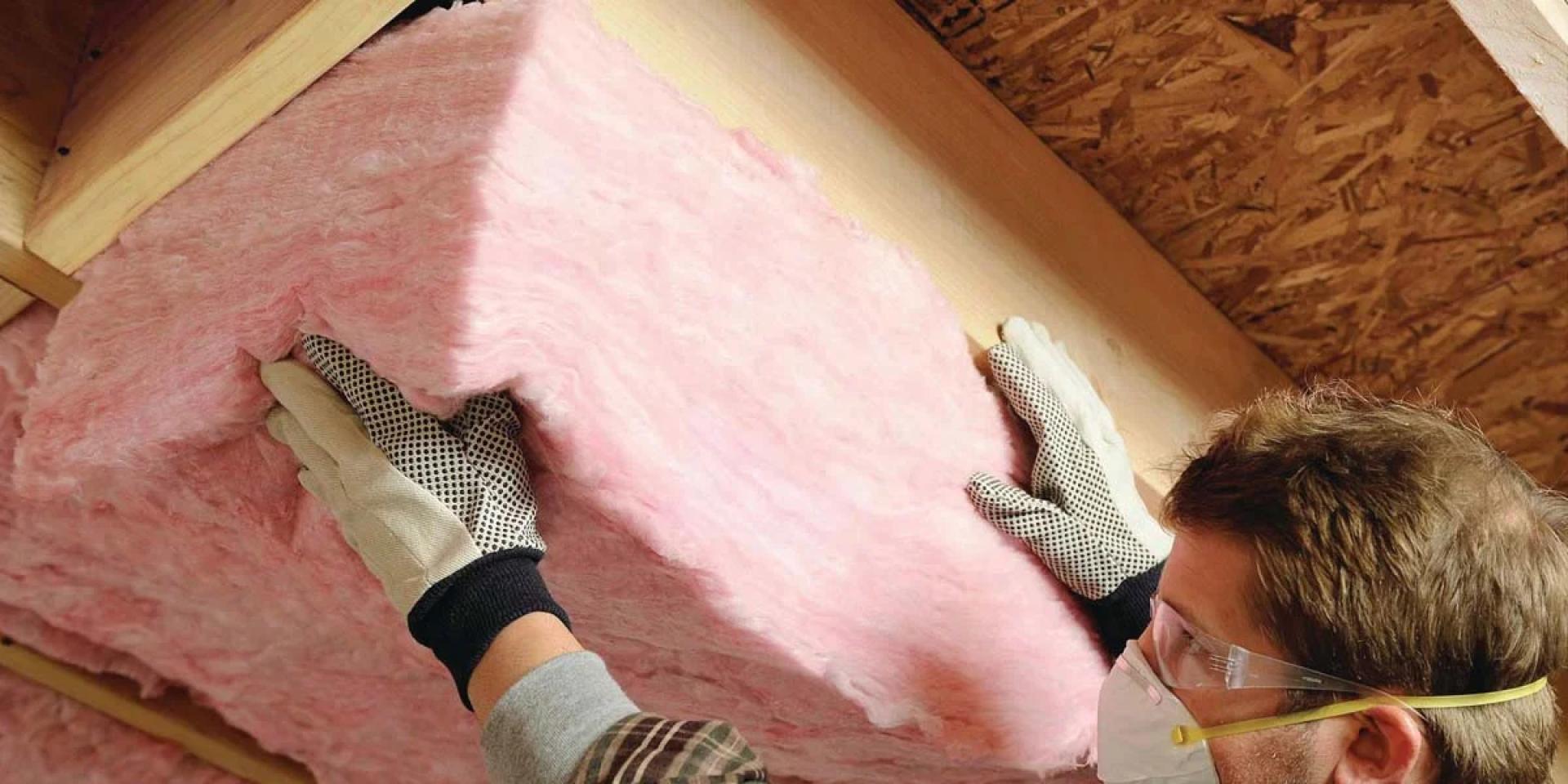
Fiberglass batt insulation is made from fine glass fibers and comes in pre-cut panels that fit snugly between wall studs, attic joists, and floor beams. It’s been around for decades, but it still outperforms many newer options in terms of practicality, accessibility, and consistent energy performance.
How It Works Inside Your Walls
Fiberglass batts trap air within their fibers, creating a thermal barrier between indoor and outdoor environments. That trapped air slows down heat transfer—keeping warm air inside during winter and hot air outside during summer.
Why It’s Still a Go-To for Energy Efficiency
Modern fiberglass batts are more flexible, easier to install, and safer to handle than earlier versions. They come with or without facing (a vapor barrier) and fit most standard wall and ceiling cavities without much modification. This helps cut down on air leaks, which is where most energy loss actually happens.
Fun Fact
Fiberglass insulation was first developed in the 1930s by accident—researchers trying to create glass blocks ended up with tiny fibers instead. That "mistake" now helps millions of homes conserve energy every year.

How It Helps Reduce Seasonal Energy Use
One of the biggest advantages of fiberglass batt insulation is its year-round performance. It doesn’t just keep you warm in the winter—it actively keeps your space cooler during hot months, too.
Lowering Heating Costs in Cold Weather
When temperatures drop, poorly insulated homes leak heat through walls, ceilings, and floors. Fiberglass batts prevent this escape by providing a continuous thermal envelope, meaning less heat escapes and your furnace doesn’t have to work as hard.
Cutting Cooling Loads in the Summer
During the summer, sunlight and heat penetrate your building envelope, making your HVAC system go into overdrive. Fiberglass slows this heat gain and keeps conditioned air from slipping out, which reduces cooling demand.
Fun Fact
According to the U.S. Department of Energy, homeowners can save up to 15% on heating and cooling costs by properly insulating their homes—especially the attic, basement, and crawlspaces.
Where Fiberglass Batt Insulation Makes the Most Difference
Not every part of your home or building loses energy the same way. Some areas are more leak-prone and benefit more from batt insulation than others.
Attics and Roof Cavities
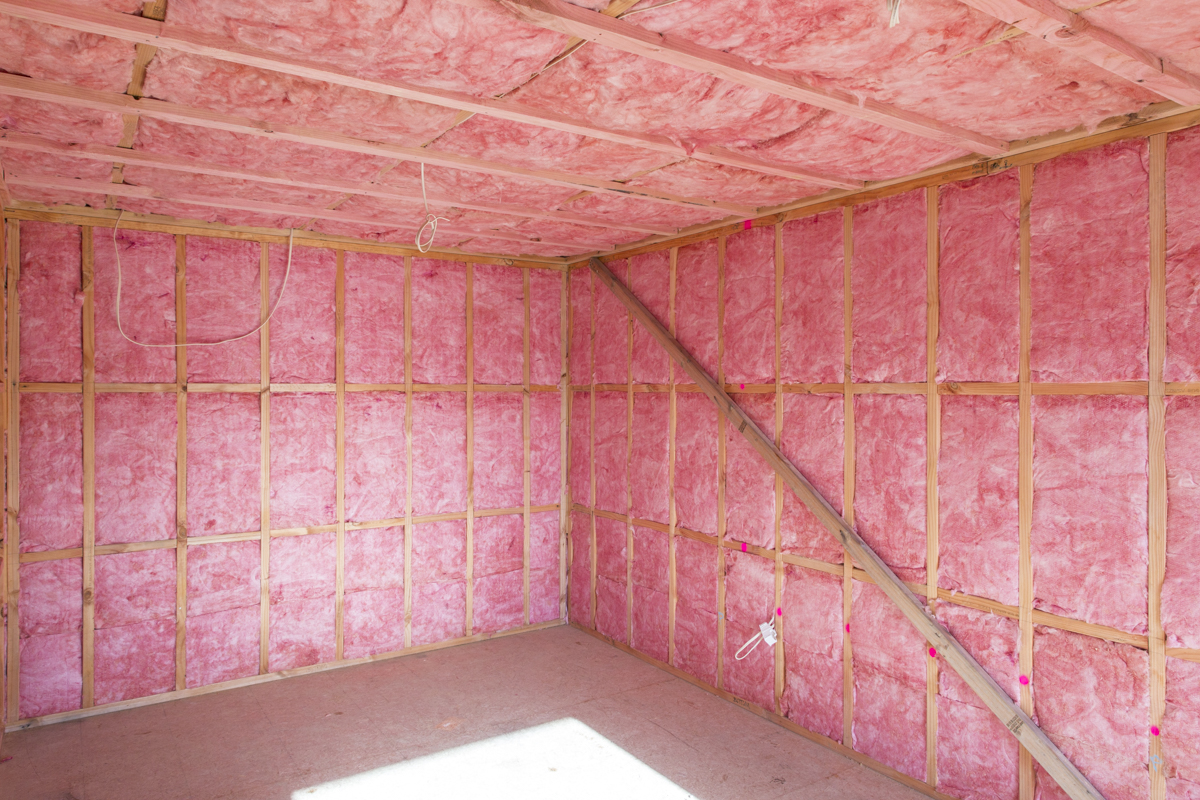
These spaces see the highest heat loss in winter and most heat gain in summer. Laying batt insulation between ceiling joists dramatically improves thermal resistance.
Wall Cavities (Interior and Exterior)
Exterior walls are obvious targets, but insulating interior walls also helps stabilize indoor temperatures and improve comfort between rooms.
Floors Over Crawlspaces or Garages
If the floor is cold in winter, chances are you’re losing energy through an uninsulated space beneath. Batt insulation fills that gap.
Basements and Foundation Walls
Insulating basement walls with batts can help reduce heat transfer from the soil surrounding the home, making the lower level more comfortable and less humid.
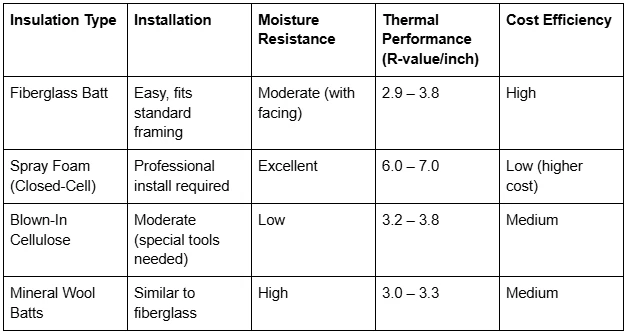
Comparison: Fiberglass Batt vs. Other Insulation Types
To better understand where fiberglass batts stand, here’s a side-by-side comparison with other common insulation types:
Why It Works for Both Homes and Commercial Properties
Fiberglass batts aren’t just for homes—they’re widely used in office buildings, small warehouses, and mixed-use spaces because they’re flexible, scalable, and affordable.
For Residential Properties
Homeowners can install batts themselves or hire a local insulation crew. They’re often used in remodels, attic re-dos, or new home builds. Since they come in rolls or pre-cut panels, sizing isn’t a hassle.
For Commercial Properties
In office buildings or retail spaces, batt insulation fits in drop ceilings, wall partitions, and mechanical rooms to improve both temperature control and acoustics. It’s also a good choice for spaces where spray foam might not be allowed due to fire codes or chemical restrictions.

Common Question: Is Fiberglass Batt Still a Good Choice in 2025?
With so many insulation materials available now, it’s fair to ask whether fiberglass batts still hold up. The short answer: yes, especially for standard framing applications where budget, accessibility, and consistent performance matter.
What Makes It Relevant Now
Modern fiberglass insulation is denser, more eco-friendly, and easier to install with minimal risk. It meets energy codes, supports green building standards, and is still one of the most cost-effective options per square foot.
Conclusion
A professional insulation company helps you attain year-round energy savings by reducing both heat loss in winter and heat gain in summer. It’s easy to install, works in almost every part of a building, and continues to hold its own against newer insulation methods thanks to improved materials and design. Whether you’re fixing an uncomfortable home or trying to cut operating costs in a commercial space, batt insulation is still a reliable, efficient solution.
The key takeaway? Properly installed fiberglass batt insulation does its job quietly—saving you money, stabilizing indoor temperatures, and helping your HVAC system last longer. It may not be flashy, but it works. And that’s what matters when comfort and energy savings are on the line.
FAQs
How long does fiberglass batt insulation last?
It can last up to 100 years if kept dry and undisturbed. Most performance issues stem from moisture damage, poor installation, or compression.
Can fiberglass insulation improve indoor air quality?
Indirectly, yes. While fiberglass itself doesn’t purify air, it helps seal gaps that would otherwise let in allergens, pollutants, or outdoor humidity.
Does fiberglass insulation lose effectiveness over time?
Not under normal conditions. If it remains dry and properly placed, the thermal resistance (R-value) remains stable.
Can I install fiberglass batts myself?
Yes, especially in open attics or during remodels. Always wear protective gear to avoid skin or respiratory irritation.
What R-value should I look for in batt insulation?
That depends on your climate zone and installation area. Attics often need R-30 to R-60, while walls may require R-13 to R-21. Local building codes are the best reference.
Reviewer: Lily Johnson offered her feedback after reviewing this post. With 8 years in the spray foam insulation field, her suggestions centered around improving outreach to homeowners looking for quality insulation solutions.










Sign in to leave a comment.