
In today\'s fast-paced world, businesses face a multitude of risks that can disrupt operations, damage property, and harm employees. Among these risks, fire poses a significant threat, capable of causing devastating losses in terms of both lives and assets. To mitigate this risk, businesses must prioritize fire safety measures, and one essential tool in their arsenal is the fire safety audit. In this comprehensive guide, we\'ll explore how fire safety audits protect businesses, why they are crucial, and the steps involved in conducting an effective audit.
Understanding Fire Safety Audits:
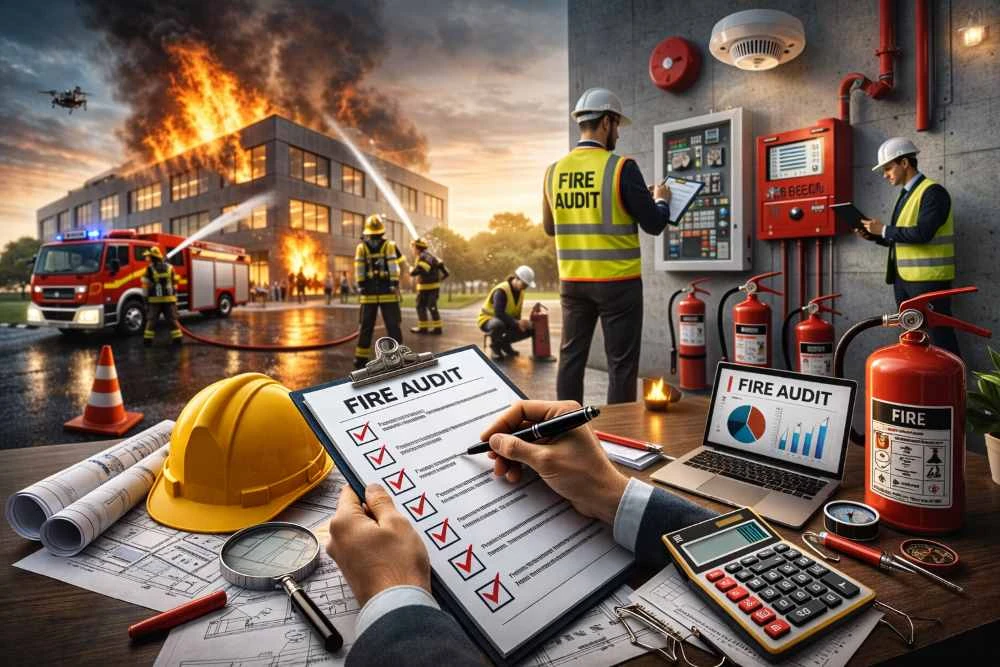
A fire safety audit is a systematic examination of a building or facility to assess its fire safety measures, identify potential hazards, and ensure compliance with relevant regulations and standards. These audits are typically conducted by qualified professionals or fire safety experts who have the knowledge and expertise to evaluate fire safety systems, procedures, and protocols.
Why Fire Safety Audits are Crucial:
- Prevention of Losses: Fire safety audits help prevent fire-related losses by identifying and addressing potential fire hazards before they escalate into emergencies. By proactively addressing vulnerabilities, businesses can significantly reduce the risk of fire incidents and minimize potential damage to property and assets.
- Compliance with Regulations: Compliance with fire safety regulations is not only a legal requirement but also essential for ensuring the safety of employees, customers, and visitors. Fire safety audits help businesses identify gaps in compliance and take corrective actions to meet regulatory requirements, thereby avoiding penalties and legal consequences.
- Protection of Personnel: Employee safety is paramount for any business. Fire safety audits assess the adequacy of fire evacuation plans, emergency exits, and other safety measures to ensure that employees can safely evacuate the premises in the event of a fire.
- Preservation of Reputation: A fire incident can tarnish a business\'s reputation and erode customer trust. By demonstrating a commitment to fire safety through regular audits and proactive measures, businesses can safeguard their reputation and maintain the confidence of stakeholders.
- Continuity of Operations: Fire incidents can disrupt business operations, leading to financial losses and downtime. Fire safety audits help identify vulnerabilities that could impact business continuity and enable organizations to implement measures to minimize disruption and ensure uninterrupted operations.
Steps Involved in Conducting a Fire Safety Audit:
- Planning and Preparation: Define the scope and objectives of the audit, assemble a qualified audit team, and gather relevant documentation, including building plans, fire safety policies, and previous audit reports.
- On-Site Inspection: Conduct a thorough inspection of the premises, assessing fire protection systems, emergency exits, evacuation routes, fire extinguishers, smoke detectors, and other relevant safety features.
- Hazard Identification: Identify potential fire hazards, such as electrical faults, combustible materials, blocked exits, inadequate signage, or improper storage of flammable substances.
- Risk Assessment: Evaluate the likelihood and potential consequences of fire hazards to determine the level of risk posed to the business and its occupants.
- Compliance Review: Review existing fire safety policies, procedures, and protocols to ensure compliance with applicable regulations and standards.
- Report Generation: Prepare a comprehensive audit report documenting findings, recommendations, and action items for addressing identified deficiencies.
- Implementation of Corrective Actions: Take prompt corrective actions to address identified deficiencies and mitigate fire safety risks.
- Follow-Up and Monitoring: Conduct follow-up inspections to verify the implementation of corrective actions and monitor ongoing compliance with fire safety measures.
Conclusion:
Fire safety audits play a critical role in protecting businesses from the devastating consequences of fire incidents. By conducting regular audits, businesses can identify and mitigate fire hazards, ensure compliance with regulations, protect personnel and assets, preserve their reputation, and maintain continuity of operations. Investing in fire safety audits is not only a legal obligation but also a sound business decision that demonstrates a commitment to safety, resilience, and responsible risk management.











Sign in to leave a comment.