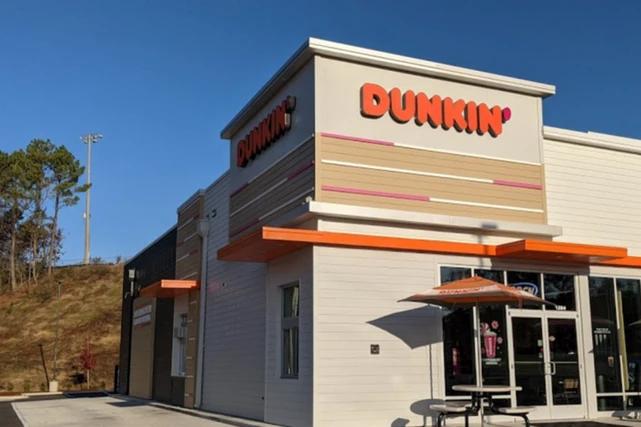

In the competitive landscape of the coffee and quick-service restaurant industry, franchise growth plays a pivotal role in determining the value of associated real estate. A key player in this sector is Dunkin, a brand synonymous with coffee culture and convenience. The relationship between franchise expansion and real estate values is intricate and multifaceted, encompassing factors such as market demand, property location, and consumer behavior. This article delves into the dynamics of how franchise growth influences Dunkin real estate values, providing insights for investors and stakeholders alike.
The Franchise Model: A Catalyst for Growth
Franchising has become a prevalent model in the food and beverage industry, allowing brands like Dunkin to expand rapidly without the burden of solely managing each location. This model creates a network of independent operators who benefit from the brand's established reputation, marketing, and operational support. As Dunkin continues to grow its franchise footprint, the implications for real estate values become increasingly significant.
Franchise growth often correlates with heightened brand visibility and consumer loyalty. As more Dunkin locations emerge, they attract a larger customer base, enhancing the overall market presence of the brand. This visibility not only drives sales but also increases the desirability of the underlying real estate. Properties that house successful Dunkin franchises tend to appreciate in value due to the steady flow of foot traffic and customer engagement that accompanies a well-performing franchise.
Market Demand and Consumer Behavior
The expansion of Dunkin franchises is inherently tied to market demand and consumer behavior. As consumer preferences shift toward convenience and quality, brands that offer quick-service options, such as Dunkin, are well-positioned to capitalize on these trends. The rising demand for coffee and breakfast items has led to increased foot traffic in Dunkin locations, further bolstering the value of associated real estate.
Investors recognize that properties with successful Dunkin franchises often benefit from high visibility and accessibility, key factors that enhance their market value. The strategic placement of Dunkin locations—often in high-traffic areas—creates a competitive advantage that contributes to sustained growth. As more consumers flock to these locations for their daily caffeine fix, the underlying real estate becomes more desirable, resulting in higher property values.
The Importance of Location
Location is a critical determinant of real estate value, and this principle holds true for Dunkin franchises. Properties situated in prime areas with high pedestrian and vehicular traffic are generally more valuable than those in less accessible locations. Dunkin's site selection strategy prioritizes locations that optimize visibility and convenience, ensuring that each franchise can attract and retain a steady customer base.
The value of Dunkin real estate is further enhanced by its proximity to complementary businesses and amenities. Locations near schools, offices, and shopping centers tend to experience higher foot traffic, positively impacting sales and, consequently, real estate values. Investors are keenly aware of the importance of location, as properties in sought-after areas are more likely to appreciate over time, making them a sound investment choice.
Lease Structures and Financial Stability
The financial stability of Dunkin franchises is often reflected in the lease structures associated with the properties they occupy. Many Dunkin locations operate under long-term leases, providing a secure income stream for property owners. This stability is particularly appealing to investors, as it mitigates the risks commonly associated with commercial real estate.
Long-term leases often come with built-in rent escalations, allowing property owners to benefit from increasing rental income over time. As Dunkin franchises continue to grow and thrive, the financial health of these businesses contributes to the overall value of the associated real estate. Investors can confidently anticipate reliable cash flow and appreciate the long-term value proposition of properties leased to successful franchises.
The Impact of Brand Reputation
Dunkin's strong brand reputation plays a significant role in enhancing the value of its associated real estate. A well-recognized brand like Dunkin attracts customers, fostering loyalty and repeat business. The more popular the brand becomes, the more valuable its locations become, creating a positive feedback loop that benefits both franchisees and property owners.
Brand reputation also influences consumer behavior. As Dunkin expands its menu offerings and invests in marketing initiatives, consumers are more likely to seek out these locations, further driving foot traffic. This increased demand translates into higher sales, benefiting both the franchisee and the property owner. Properties housing successful Dunkin franchises thus experience an uptick in value, driven by the brand's positive image and consumer affinity.
Franchise Growth and Economic Indicators
The growth trajectory of Dunkin franchises often reflects broader economic indicators, such as employment rates and consumer spending. In periods of economic expansion, consumers are more likely to spend on discretionary items, including coffee and convenience foods. This increased spending can lead to the opening of new Dunkin locations, directly impacting the value of Dunkin real estate.
Conversely, during economic downturns, consumer spending may decline, potentially affecting franchise performance. However, Dunkin's positioning within the market—offering affordable options for consumers—often allows it to weather economic fluctuations better than many premium brands. This resilience contributes to the overall stability of associated real estate values, making Dunkin properties an attractive investment even during challenging economic times.
The Future of Dunkin Real Estate
Looking ahead, the future of Dunkin real estate appears promising, bolstered by ongoing franchise growth and evolving consumer preferences. As the brand continues to innovate and adapt to market trends, it is likely to sustain its competitive edge. The expansion of Dunkin locations into new markets presents opportunities for investors to capitalize on emerging real estate values.
Additionally, the integration of technology in the customer experience—such as mobile ordering and delivery options—further enhances Dunkin's appeal to consumers. This technological evolution may drive increased sales and foot traffic, positively impacting the value of Dunkin real estate. Investors who recognize these trends stand to benefit from the potential appreciation of properties leased to successful Dunkin franchises.
Conclusion
In conclusion, the relationship between franchise growth and Dunkin real estate values is complex yet undeniably impactful. The resilience of the discount food and beverage sector, combined with strategic site selection, consumer demand, and brand reputation, contributes to the overall desirability and value of properties associated with Dunkin franchises. As the brand continues to expand and adapt to market trends, the real estate tied to its franchises is likely to appreciate, providing lucrative opportunities for investors.
For those looking to navigate the dynamic landscape of Dunkin real estate, the expertise and insights from NNN Trends by Equity Retail Brokers can be invaluable. Explore the potential of Dunkin real estate today and position yourself for success in this thriving market!










Sign in to leave a comment.