
Do you know what the highest "hidden" cost in your business is? It is not your marketing budget. It is not your office rent. For anyone running a service or delivery business, the real profit-killer is inefficiency on the road.
Think about it. Every minute a driver spends idling in Toronto traffic, every litre of fuel wasted on a poorly planned route in Calgary, and every unauthorised detour adds up.
If you are not using a modern GPS Fleet Management Canada system, you are not just losing visibility; you are losing money. In fact, companies that implement real-time tracking see an average fuel savings of up to 15% and a 20-30% boost in overall productivity.
But here is the thing: it is not just about "dots on a map" anymore.
In this post, we are going to show you how a high-level Telematics System can turn your fleet into a data-driven machine, why the Canadian market is changing, and the exact steps you need to take to stay ahead of the competition.
1. The Shift from Tracking to Intelligence
Back in the day, GPS was simple. You wanted to know where your truck was. Today? That is the bare minimum.
A modern Telematics System is like having a co-pilot in every single cab. It combines GPS location data with onboard diagnostics. This means you are not just seeing where the vehicle is; you’re seeing:
Engine health: Is a "Check Engine" light about to ruin a delivery?
Driver behaviour: Are your drivers speeding or braking harshly? (This kills your insurance premiums.
Fuel consumption: Who is idling for three hours a day?
When you have this level of data, you stop guessing and start growing.
2. Why Canadian Fleets Face Unique Challenges
Running a fleet in Canada isn't the same as running one in Florida. We deal with extreme weather, massive geographical distances, and specific regulatory hurdles.
In 2026, the "wait and see" approach to digital transformation is officially over. With the rise of e-commerce and rising fuel costs, your margins are thinner than ever.
By using GPS Fleet Management in Canada, you can optimise routes for winter conditions, ensure your vehicles are maintained before they break down on a remote highway in Northern Ontario, and keep your customers happy with precise ETAs.
3. Cutting Costs Without Cutting Corners
How do you grow your bottom line without raising your prices? You lower your COGS (Cost of Goods Sold). Here are three ways telematics makes that happen:
Predictive Maintenance
Instead of changing oil every 5,000 km because "that is what we have always done," you use data. Your system tells you when the engine is actually under stress. This reduces downtime by up to 30%.
Route Optimization
Traffic in Vancouver or Montreal is no joke. AI-driven routing does not just find the shortest path; it finds the fastest and most fuel-efficient one based on real-time conditions.
Reduced Insurance Premiums
Insurance companies love data. When you can prove your drivers are safe, many providers in Canada offer significant discounts. It’s a win-win.
4. The Role of Artificial Intelligence (AI)
AI is the "buzzword" of the year, but in fleet management, it is actually useful.
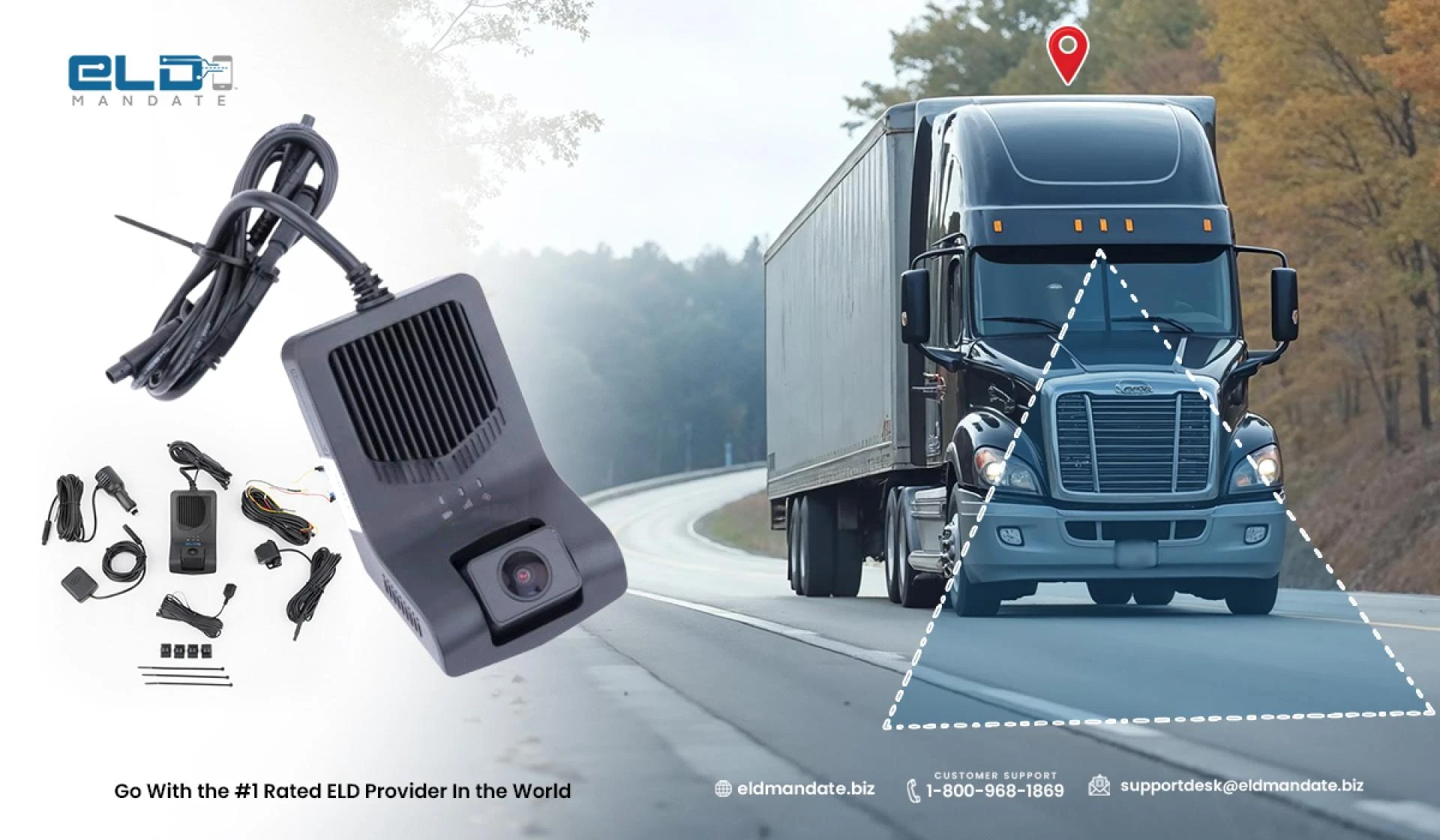
We are seeing AI-enabled dashcams that can detect if a driver is distracted or on their phone. It provides in-cab coaching in real-time.
Why does this matter? Because a single accident can cost your business hundreds of thousands of dollars in legal fees and lost reputation. Preventing just one incident pays for the entire system for years.
5. Staying Compliant (The Easy Way)
Compliance used to mean a mountain of paperwork and "lost" logbooks. Now, it is all digital.
Between Hours of Service (HOS) regulations and DVIR (Driver Vehicle Inspection Reports), the administrative burden on Canadian fleet managers is huge.
A synchronised Telematics System automates these reports. When an inspector pulls over one of your drivers, they have everything they need on a tablet. No stress. No fines. No errors.
6. Transparency Builds Trust
Your customers have been "spoiled" by Amazon. They expect to know exactly where their package is.
If you are a local plumbing company or a regional distributor, providing a tracking link to your customer is not just a "nice to have"; it is a competitive advantage.
It reduces "Where is my technician?" calls by 50% and builds massive trust.
Conclusion: Don't Get Left Behind
The world of logistics is moving faster than ever. The companies that thrive in the next five years will be the ones that embrace data. They will be the ones who know their cost-per-mile down to the penny.
If you are still using paper logs or basic "ping" trackers, you are leaving money on the table. Worse, you are risking non-compliance with federal regulations.
If you want the best-in-class solution tailored specifically for the Canadian market, you need to reach out to the professionals at ELD Mandate.
They are the #1 provider of devices and software, specialising in comprehensive GPS Fleet Management and advanced Telematics Systemsin Canada. Whether you have two trucks or two hundred, they have the tools to help you scale safely and efficiently.










Sign in to leave a comment.