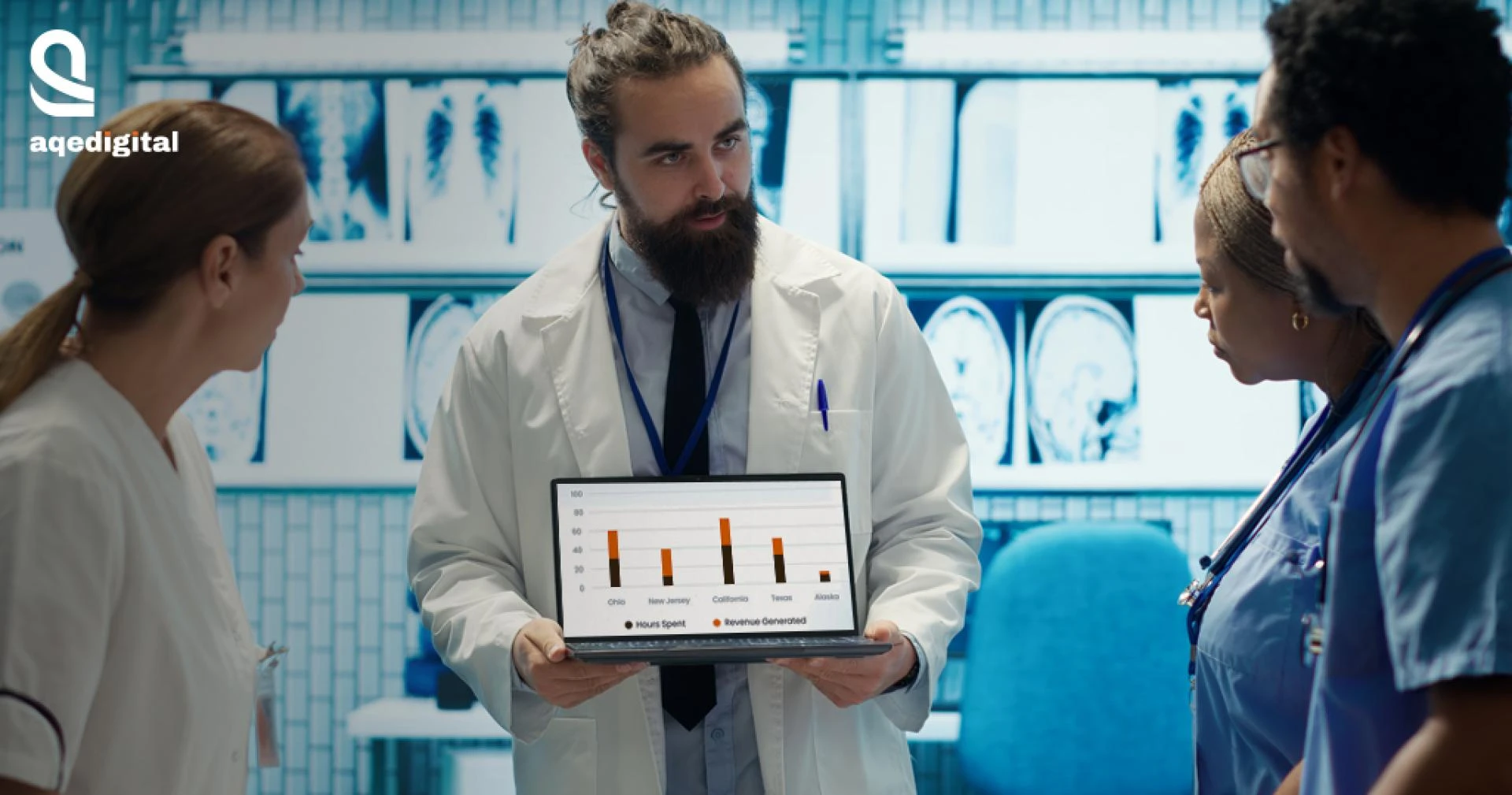

Dr. Patel, a hospital administrator for over two decades, sat quietly in a boardroom, reviewing their latest performance report. Despite expanding facilities and hiring top talent, patient outcomes hadn’t improved. Costs kept soaring. "Why aren't we seeing real change?" he thought.
Then, Dr. Patel discovered the transformative power of healthcare data analytics.
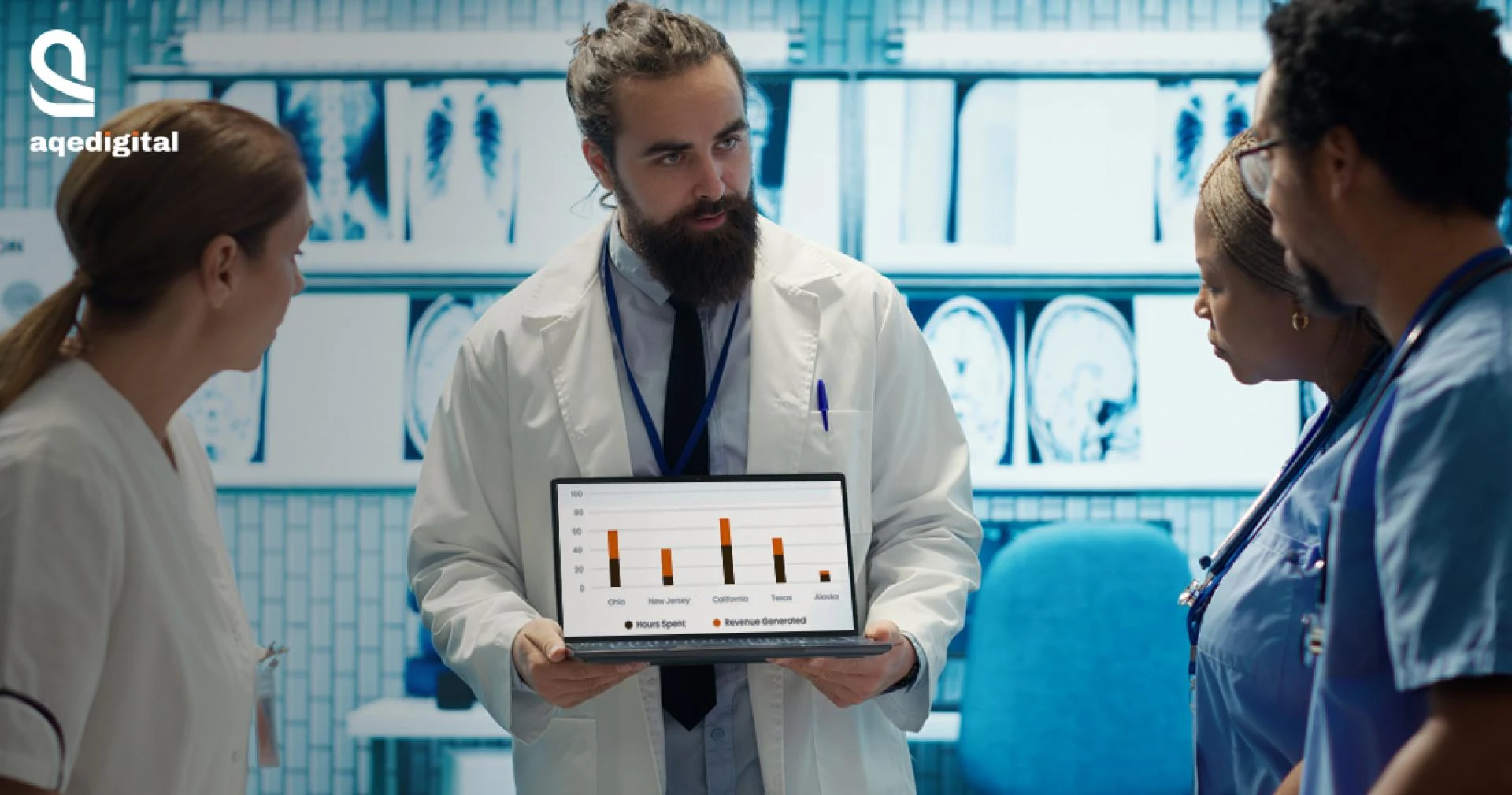
The Traditional Healthcare Problem: Data Overload and Inefficiency
Healthcare generates an estimated 30% of the world’s data today, according to Healthcare IT News.
Yet, despite this abundance, most organizations struggle to turn raw data into real-world outcomes.
Many healthcare systems still rely on outdated IT infrastructures, fragmented records, manual reporting, and isolated departments.
The result?
- Delayed diagnoses
- High hospital readmission rates
- Poor patient experiences
- Escalating operational costs
Recent studies reveal that healthcare big data grew by a record-breaking 568% over the past decade (BMC Health Services Research) — but without actionable analytics, much of it remains an untapped goldmine.
How Healthcare Data Analytics Changed the Game
Dr. Patel’s hospital embarked on a data-first transformation, starting with predictive analytics, real-time insights, and system integration.
Within just one year, the results spoke for themselves.
1. Predictive Analytics: Saving Lives Before It’s Too Late
Using AI-powered predictive models, the hospital could anticipate patient risks before conditions worsened.
✅ 20% reduction in readmission rates (NIH Predictive Modeling in Healthcare)
✅ Earlier interventions for chronic illnesses
✅ Improved patient monitoring for ICU and ER departments
Cleveland Clinic implemented predictive analytics to reduce heart failure readmissions, achieving a 17% improvement in patient outcomes.
2. Real-Time Decision-Making: From Reactive to Proactive Care
Through real-time dashboards and alerts, healthcare staff were able to:
✅ Respond 50% faster to emergencies
✅ Prioritize high-risk patients
✅ Allocate beds and surgical rooms efficiently
Today, real-time clinical insights are credited for improving emergency care response times across top U.S. hospitals (Healthcare IT News).
3. Personalized Treatment Plans: A New Standard in Patient Care
No more “one-size-fits-all” medicine.
✅ 30% higher treatment success rates
✅ Better adherence to medication plans
✅ Personalized rehabilitation programs based on patient genetics and history
Institutions like Mayo Clinic are already leading the charge in personalized healthcare, using machine learning to recommend tailored treatments (Mayo Clinic AI Studies).
4. Operational Efficiency: A Business Transformation
By integrating analytics across their operations, Dr. Patel’s hospital:
✅ Cut administrative costs by 15%
✅ Reduced patient wait times by 35%
✅ Optimized staffing schedules with predictive demand modeling
According to McKinsey & Company, healthcare providers that integrate advanced analytics can reduce operating costs by up to 20%.
Real-World Success Stories: Healthcare Analytics in Action
- Mount Sinai Health System deployed machine learning models to predict COVID-19 severity, improving resource allocation.
- Intermountain Healthcare used data analytics to reduce unnecessary C-sections, saving millions annually.
- Geisinger Health System implemented predictive models for sepsis management, cutting mortality rates by 30%.
Future Trends in Healthcare Analytics
The healthcare analytics market is projected to grow to $89.3 billion by 2028, according to MarketsandMarkets Research. Emerging trends include:
🔹 AI-Powered Diagnostics
🔹 Blockchain for Health Data Security
🔹 IoT-Enabled Remote Patient Monitoring
🔹 Digital Twin Modeling for Treatment Simulations
Organizations that invest early in healthcare analytics will have a clear competitive edge — delivering better outcomes while controlling costs.
How AQE Digital Can Help Healthcare Providers Succeed
At AQE Digital, we empower healthcare organizations to harness the full potential of their data.
Here’s how we can help:
🔹 Implement predictive analytics to anticipate patient needs
🔹 Design real-time reporting dashboards for faster decision-making
🔹 Build personalized care management systems
🔹 Optimize operational workflows through AI and machine learning
Our team has deep expertise in healthcare systems, regulatory compliance, and cutting-edge technologies — ensuring your analytics journey is seamless, secure, and scalable.
Ready to Transform Your Healthcare Organization?
Don't just collect data. Transform it into action.
Explore how healthcare analytics can drive your success.
Your journey toward data-driven healthcare excellence starts now.












Sign in to leave a comment.