

As our loved ones age, the dynamics of caregiving often shift within families. The desire to provide the best possible care for aging relatives can sometimes create emotional and logistical challenges. Balancing work, personal life, and the needs of an elderly family member can be overwhelming. This is where home care assistance plays a crucial role, offering families the support they need to ensure their loved ones receive quality care while maintaining their dignity and independence. This article explores how home care assistance benefits families and the elderly, highlighting its importance in today’s society.
Understanding the Role of Home Care Assistance
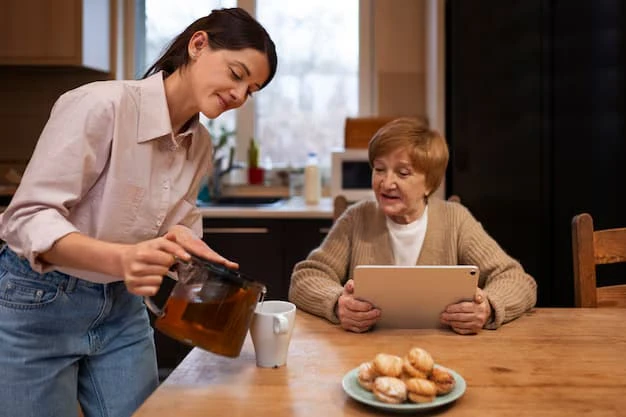
Home care assistance encompasses a variety of services designed to support seniors in their daily lives. These services range from personal care, such as bathing and grooming, to companionship and specialized medical care. Home care assistants are trained professionals who provide tailored support based on the unique needs of each individual. This flexibility allows families to customize care plans that suit their loved ones, ensuring they receive the best possible assistance.
One of the primary goals of home care assistance is to enable seniors to remain in their own homes for as long as possible. Many older adults have a strong desire to age in place, surrounded by familiar surroundings and cherished memories. Home care assistance facilitates this desire by providing the necessary support to help seniors navigate the challenges of aging while maintaining their independence.
Alleviating the Burden on Family Caregivers
Caring for an aging loved one can be a full-time job, and for many families, this responsibility can be overwhelming. Family caregivers often juggle multiple roles, including work, parenting, and personal commitments. This can lead to physical and emotional exhaustion, as well as feelings of stress and anxiety. Home care assistance provides a valuable resource to alleviate some of this burden.
By enlisting the help of professional caregivers, families can share the responsibilities of care. This collaboration allows family members to take a step back and recharge, reducing the risk of burnout. Moreover, home care assistance can provide relief during periods of increased need, such as after a hospital stay or during recovery from illness. With the right support in place, families can feel more empowered to care for their loved ones without sacrificing their own well-being.
Enhancing Quality of Life for Seniors
One of the most significant benefits of home care assistance is its positive impact on the overall quality of life for seniors. Aging can bring about various challenges, including physical limitations, cognitive decline, and social isolation. Professional caregivers are trained to address these issues, providing not only physical support but also emotional and social engagement.
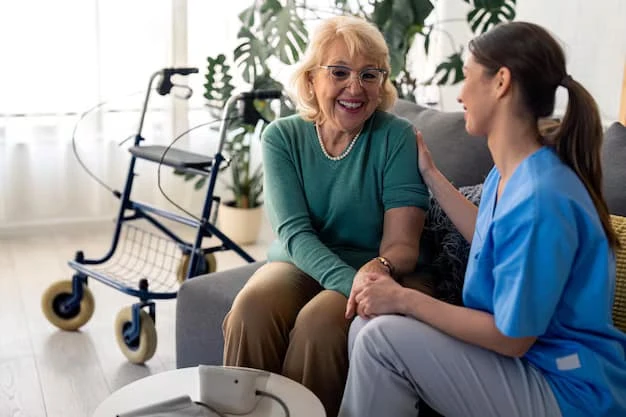
Companionship is a critical aspect of home care assistance, as many seniors face feelings of loneliness and isolation. Caregivers can provide meaningful interaction, engage in conversations, and participate in activities that stimulate the mind and foster a sense of connection. This social engagement is crucial for maintaining mental health and emotional well-being, helping seniors feel valued and appreciated.
Additionally, caregivers can assist with daily activities that may have become challenging for seniors, such as meal preparation, medication management, and transportation to appointments. By providing this support, home care assistance enables seniors to maintain their routines and enjoy a higher quality of life, all while remaining in the comfort of their own homes.
Promoting Safety and Security
Safety is a top concern for families caring for aging loved ones. The risk of falls, accidents, and medical emergencies can create anxiety for both seniors and their families. Home care assistance addresses these concerns by ensuring that seniors have the support they need to navigate their environments safely.
Professional caregivers are trained to identify potential hazards in the home and to implement measures to reduce risks. This may include arranging furniture for easier mobility, ensuring proper lighting, and assisting seniors with mobility challenges. Caregivers can also monitor their clients for changes in health or behavior, providing peace of mind for families who may worry about their loved ones when they are not present.
Moreover, many home care agencies offer specialized services, such as memory care for individuals with dementia or Alzheimer’s disease. These trained professionals understand the unique challenges associated with cognitive decline and can provide compassionate support, ensuring that seniors receive the care they require in a safe and secure environment.
Encouraging Independence and Dignity
Maintaining independence is a fundamental desire for many seniors. Home care assistance allows individuals to receive the support they need while still having the autonomy to make choices about their daily lives. Caregivers respect the preferences of their clients, encouraging them to participate in their own care and decision-making processes.
This emphasis on independence fosters a sense of dignity and self-worth among seniors. When individuals are empowered to maintain control over their lives, it significantly contributes to their overall well-being. Home care assistance promotes this independence by enabling seniors to engage in activities they enjoy, whether it’s gardening, cooking, or socializing with friends. Caregivers can facilitate these activities, enhancing seniors’ quality of life while ensuring their safety and comfort.
Supporting Family Dynamics and Communication
The introduction of home care assistance can also improve communication and dynamics within families. As caregivers take on certain responsibilities, family members can engage in more meaningful interactions with their aging loved ones. Instead of focusing solely on caregiving tasks, family relationships can flourish through shared experiences and quality time.
Open communication is vital in caregiving situations. Home care assistance encourages families to discuss their loved one’s needs, preferences, and concerns openly. This collaborative approach fosters a sense of teamwork, ensuring that everyone is on the same page regarding care plans. By working together, families can create a supportive environment that enhances the overall experience for their aging loved ones.
Conclusion: Embracing Home Care Assistance for a Better Quality of Life
In conclusion, home care assistance is an invaluable resource for families navigating the complexities of caring for aging loved ones. By providing personalized support, enhancing safety, and promoting independence, home care assistance allows seniors to maintain their dignity while receiving the care they need. This support also alleviates the burden on family caregivers, ensuring that both seniors and their families can experience a higher quality of life.
For families considering home care assistance, it is essential to explore options that align with their loved one's needs. Investing in quality care can foster independence, enhance well-being, and create a supportive environment for seniors. If you’re looking for compassionate and professional support for your aging loved ones, consider Life Home Care. Reach out to us today to discover how we can help you and your family maintain the quality of life your loved ones deserve.











Sign in to leave a comment.