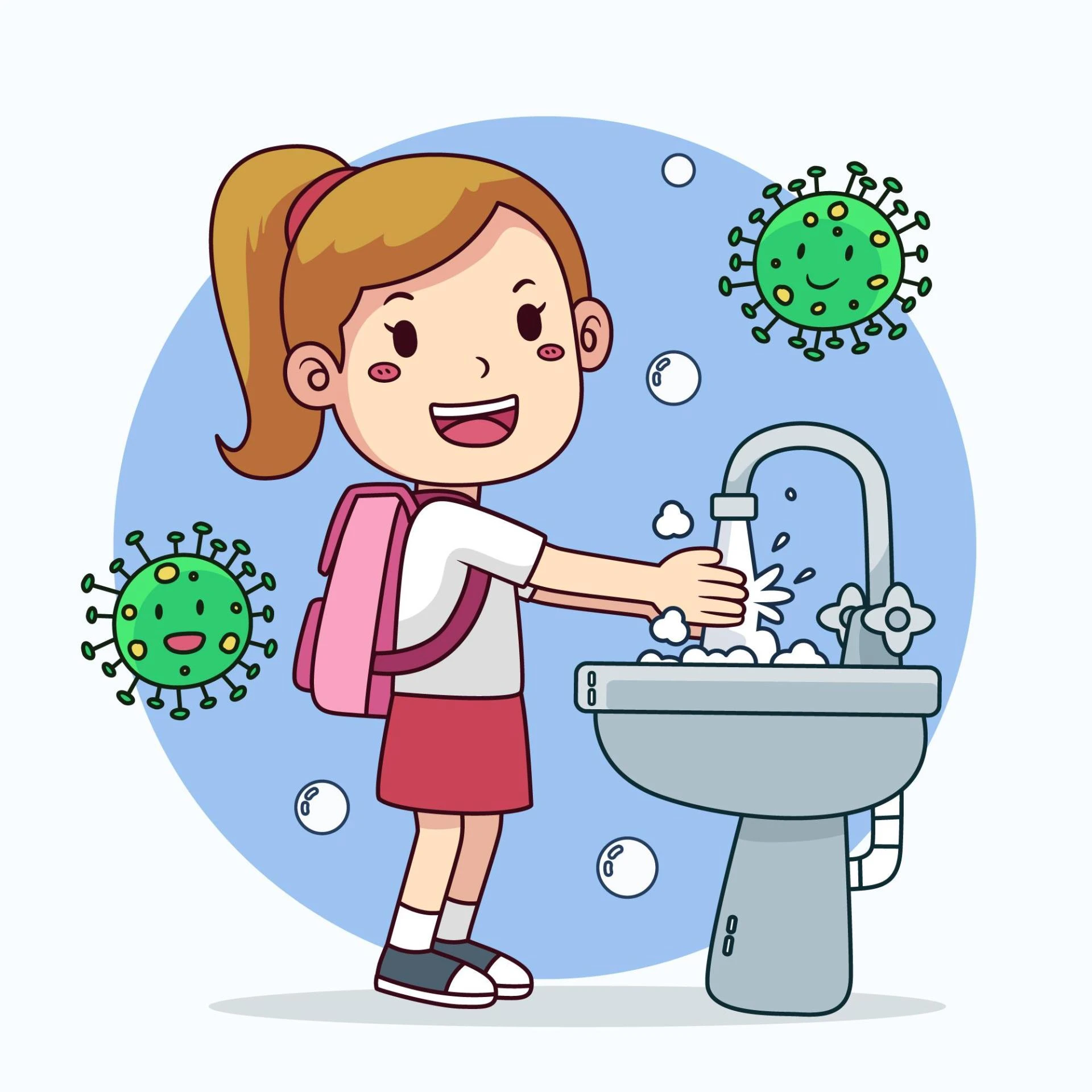

In rural India, one of the most effective ways to prevent disease outbreaks is by promoting better hygiene practices. Poor hygiene and sanitation are still major challenges in many villages, contributing to the spread of waterborne diseases, respiratory infections, and even skin conditions. But the good news is that with small behaviour changes, a big impact can be made.
This blog explores how improving hygiene habits and spreading awareness about the importance of personal hygiene can lead to healthier rural communities. Let’s dive into how hygiene behaviour change works, and why it matters.
Understanding the Link Between Hygiene and Health
In many parts of rural India, access to clean water, toilets, and waste disposal systems is limited. This makes basic hygiene difficult, but not impossible. Simple actions like washing hands, using toilets, and keeping surroundings clean can significantly reduce the risk of illnesses.
For example, diarrhoea, which is a major cause of child deaths in rural areas, can be easily prevented through good hygiene. Similarly, proper menstrual hygiene can protect women from infections. When communities understand the importance of personal hygiene, they are better equipped to stop diseases before they start.
What Is Hygiene Behaviour Change?
Hygiene behaviour change means encouraging people to adopt and maintain healthy hygiene habits. This includes:
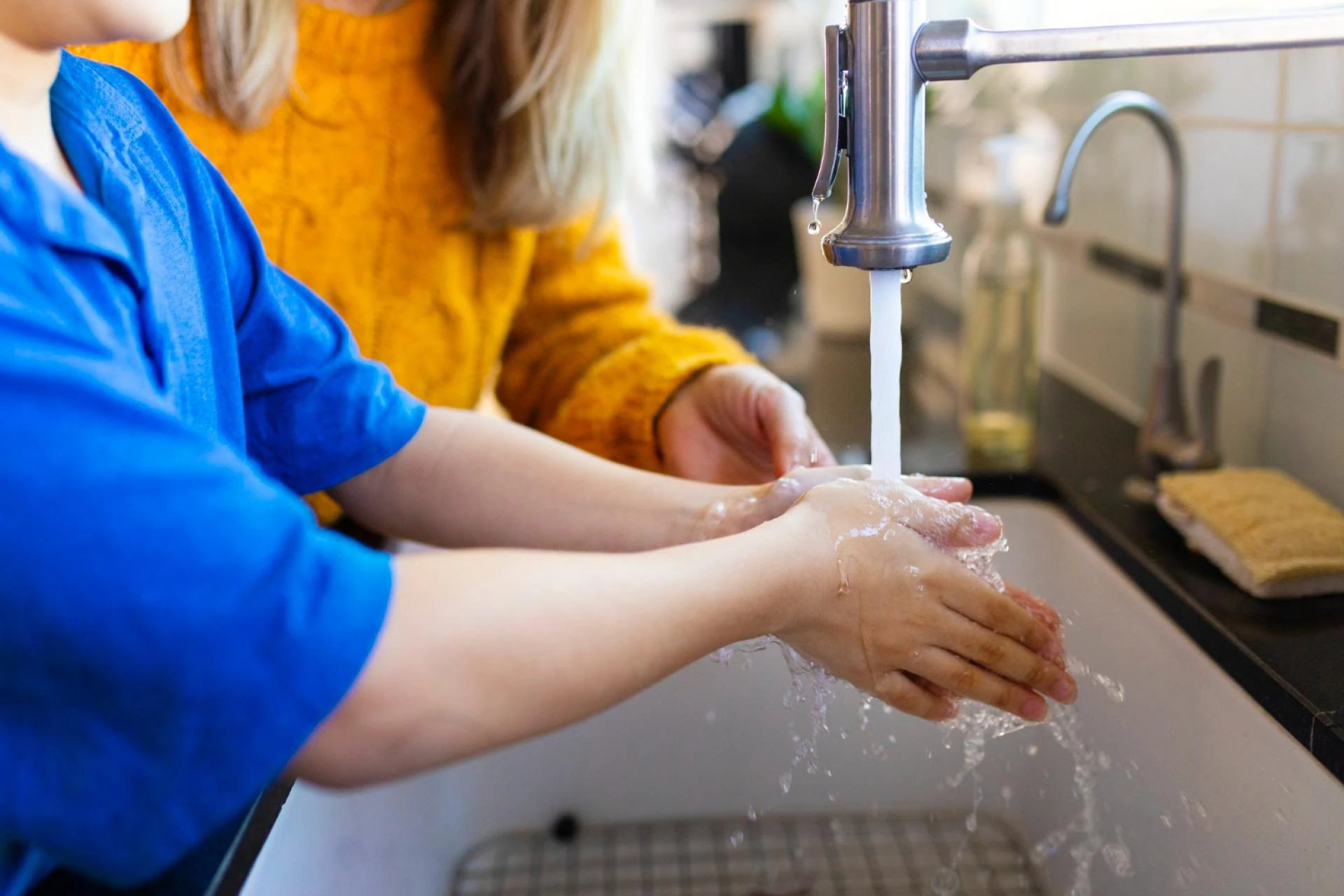
- Washing hands with soap at critical times (after using the toilet, before eating)
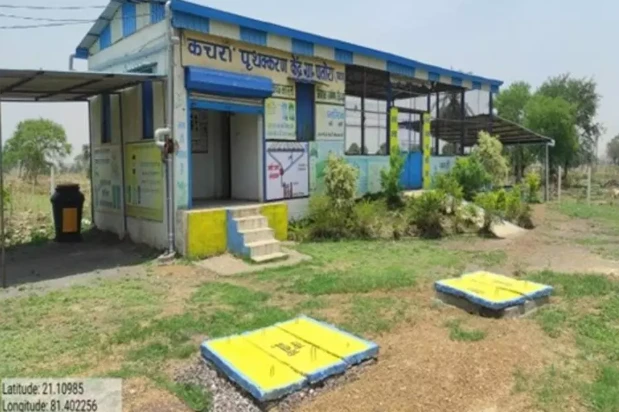
- Using safe and clean toilets
- Drinking safe, clean water
- Managing waste properly
- Practicing menstrual hygiene
Changing behaviour is not just about providing resources—it’s also about health education personal hygiene campaigns that teach people why and how to stay clean.
Why Rural India Needs Behaviour Change Programs
In rural areas, traditions and lack of information often lead to risky hygiene practices. Open defecation, for instance, still exists in many villages despite government efforts. Behaviour change programs are essential to bridge the knowledge gap.
By combining infrastructure with awareness, these programs help:
- Reduce disease outbreaks
- Promote child health
- Improve school attendance, especially for girls
- Encourage safe water practices
- Empower communities to take charge of their own health
When the community understands the importance of personal hygiene, they’re more likely to accept and practice these habits daily.
Steps to Achieve Hygiene Behaviour Change
To see real results, the change must be simple, practical, and sustainable. Here are key steps:
- Start with Awareness: Use posters, street plays, radio messages, and local leaders to spread awareness about health education personal hygiene. Real stories from within the community make the message more relatable.
- Educate Schools and Children: Kids are fast learners. Teaching hygiene in schools ensures they adopt these habits early and even influence their families. Daily handwashing routines and clean school toilets help reinforce the message.
- Train Community Health Workers: Local health workers, ASHAs, and Anganwadi workers can educate families during home visits. When they explain the importance of personal hygiene, people are more likely to trust and follow the advice.
- Use Visual Tools and Demonstrations: Seeing is believing. Demonstrations of proper handwashing, clean water storage, or toilet maintenance make it easier for people to understand and replicate.
- Reward and Recognize Good Practices: Community competitions and rewards can motivate villagers. For example, villages that maintain open defecation-free (ODF) status can be honored publicly.
- Ensure Resources Are Available: Behaviour change is more effective when clean water, soap, and toilets are accessible. So, these must go hand-in-hand with awareness.
Challenges in Promoting Hygiene in Rural India
Despite good intentions, there are some real challenges:
- Lack of clean water
- Cultural beliefs and taboos (especially around menstruation)
- Poor infrastructure
- Low literacy rates
However, these can be overcome with consistent messaging, community involvement, and practical solutions.
For instance, reusable sanitary pads and eco-friendly toilets are gaining popularity in many villages. These tools support the message of health education personal hygiene and make it easier for people to adapt.
Real-Life Examples of Success
Several states in India have already seen the benefits of hygiene campaigns:
- In Tamil Nadu, schools run regular handwashing drills that have reduced illness among students.
- In Maharashtra, the Swachh Bharat Abhiyan (Clean India Mission) helped create thousands of household toilets and reduced open defecation.
- In Odisha, menstrual hygiene awareness campaigns have increased the use of sanitary pads in remote areas.
- Organizations like WaterAid India have led impactful hygiene and sanitation initiatives in rural areas, driving long-term change through community engagement and sustainable practices.
These efforts highlight how teaching the importance of personal hygiene can lead to long-lasting health improvements.
How Can You Contribute?
You don’t need to be a health professional to make a difference. Here’s what you can do:
- Talk about hygiene with your family and neighbors
- Volunteer with local NGOs or school programs
- Support clean water and sanitation projects
- Use social media to share hygiene messages
Even small actions can help promote health education personal hygiene across your community.
Conclusion
Improving hygiene in rural India is not just about building toilets or installing water pumps. It’s about changing mindsets and habits. By focusing on behaviour change and educating people about the importance of personal hygiene, we can prevent countless disease outbreaks and build stronger, healthier communities.
Together—with government support, community leaders, and everyday citizens—we can create a cleaner, safer future for rural India. Hygiene isn’t just about staying clean. It’s about staying alive.











Sign in to leave a comment.