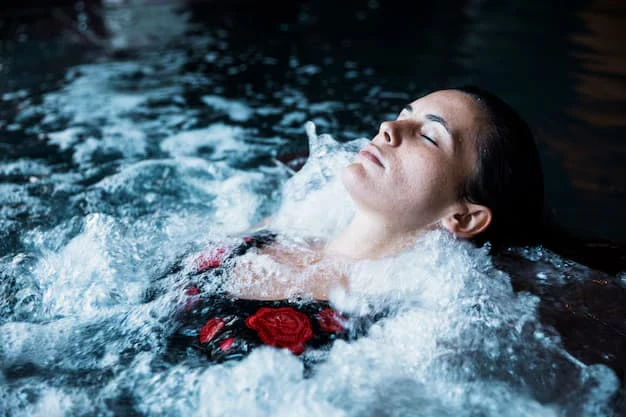

Ice baths have become a widely recognized recovery method among athletes, fitness enthusiasts, and individuals looking to improve physical well-being. This simple yet effective therapy involves immersing the body in cold water after intense physical activity to promote healing, reduce inflammation, and alleviate soreness. While it may sound intimidating, the benefits of ice bath for recovery are well-supported by science and experience alike. The practice offers a natural and efficient way to help the body recover faster and perform better in future activities.
Understanding the Concept of Ice Baths
An ice bath, also known as cold water immersion, involves submerging the body in water cooled to temperatures typically between 10 to 15 degrees Celsius. The cold temperature stimulates several physiological responses that aid in muscle repair and inflammation control. The therapy is widely used by athletes after training, competition, or strenuous exercise sessions to minimize muscle soreness and accelerate recovery.
The Science Behind Ice Baths
When the body is exposed to cold water, blood vessels constrict, reducing blood flow to the muscles. This constriction helps limit inflammation and swelling that can occur after exercise. Once the body warms up again, the blood vessels expand, allowing fresh, oxygen-rich blood to flow back into the muscles. This process helps flush out waste products like lactic acid, which can contribute to muscle soreness. Through these physiological changes, the body experiences reduced pain, faster recovery, and improved overall muscle health.
Cold Exposure and Recovery
Cold exposure triggers a natural healing response by lowering tissue temperature and reducing metabolic activity in the affected muscles. This slowdown prevents excessive inflammation and tissue damage while preserving muscle strength. In addition, cold therapy can reduce nerve conduction velocity, which helps relieve pain and discomfort following intense physical exertion.
How Ice Baths Reduce Inflammation
Inflammation is the body’s natural response to stress or injury, but excessive inflammation can hinder recovery and lead to prolonged soreness. Ice baths are highly effective in managing this response and maintaining a healthy balance between repair and recovery.
Minimizing Swelling and Tissue Damage
After strenuous exercise, microtears occur in the muscle fibers, leading to inflammation and swelling. Ice baths help constrict blood vessels, reducing fluid accumulation in the muscles and minimizing swelling. This process helps prevent further tissue damage and promotes quicker healing of the muscle fibers.
Controlling the Body’s Inflammatory Response
Cold water immersion helps regulate the production of inflammatory markers in the body. By lowering the temperature of the tissues, the therapy slows down the chemical reactions that trigger inflammation. This control mechanism allows the body to repair itself more efficiently without the excessive buildup of inflammatory compounds that can cause stiffness or prolonged pain.
Enhancing Immune Function
Interestingly, regular exposure to cold water may also support immune system health. The body adapts to cold stress by increasing the production of certain white blood cells and strengthening the immune response. This enhancement can help the body recover more effectively from physical stress and reduce the risk of infections or illness that can follow intense training sessions.
How Ice Baths Alleviate Muscle Soreness
Muscle soreness, especially delayed onset muscle soreness (DOMS), is a common experience after physical activity. Ice baths can significantly reduce the severity and duration of this discomfort, making them an essential recovery tool for athletes and active individuals.
Reducing Lactic Acid Buildup
During exercise, muscles produce lactic acid as a byproduct of energy production. When lactic acid accumulates, it can contribute to the burning sensation and stiffness felt after workouts. Immersing in cold water helps slow metabolic activity, reducing the production and buildup of lactic acid. As circulation improves after the session, the body efficiently removes these waste products, leaving muscles refreshed and less sore.
Numbing Pain and Promoting Comfort
Cold water immersion has a natural numbing effect that helps relieve pain almost immediately. The lowered temperature reduces nerve sensitivity, which decreases the perception of discomfort in sore areas. This temporary relief allows individuals to feel more comfortable and continue with their daily activities without significant discomfort.
Supporting Faster Muscle Repair
By reducing inflammation and increasing blood flow during the recovery phase, ice baths accelerate muscle repair. The renewed circulation after cold exposure delivers oxygen and nutrients to the tissues, promoting the rebuilding of damaged fibers. This process helps restore muscle strength and flexibility more quickly, allowing for improved performance during future training sessions.
Additional Benefits of Ice Baths for Recovery
While the primary goal of ice baths is to reduce inflammation and soreness, the therapy offers several additional benefits that support both physical and mental well-being.
Enhancing Circulation and Cardiovascular Health
Alternating between cold and warm environments, such as an ice bath followed by a warm shower, enhances vascular function. This contrast improves circulation and strengthens the cardiovascular system, leading to better oxygen delivery throughout the body. Over time, this improved blood flow can boost endurance and support overall health.
Reducing Fatigue and Improving Energy Levels
The invigorating effect of cold water stimulates the release of endorphins, the body’s natural mood-enhancing hormones. This can lead to increased alertness, energy, and an improved sense of well-being after recovery sessions. Regular use of ice baths can also help reduce fatigue and promote sustained motivation for continued physical activity.
Supporting Mental Resilience
Ice baths are not only a test of physical endurance but also a practice that builds mental toughness. The initial shock of cold water challenges the mind to remain calm and controlled, fostering mental resilience and discipline. Over time, this practice helps individuals manage stress more effectively, both in and out of training environments.
Best Practices for Ice Bath Recovery
To achieve the best results from an ice bath for recovery, it is important to follow safe and effective practices. While the method is generally well-tolerated, preparation and awareness enhance both comfort and outcomes.
Ideal Temperature and Duration
An effective ice bath typically involves water temperatures between 10 to 15 degrees Celsius. The duration should range from 10 to 15 minutes, depending on tolerance and experience. Staying longer than recommended can cause discomfort or excessive cooling, so it is important to monitor body response throughout the session.
Preparing the Body for Cold Exposure
Before entering an ice bath, it is advisable to warm up slightly to increase blood circulation. Gradually easing into the cold water rather than plunging in all at once can also help the body adjust more comfortably. Maintaining steady breathing throughout the session is essential to stay calm and relaxed.
Post-Bath Recovery Steps
After completing the ice bath, gently warming the body through light movement or a warm shower helps restore normal temperature and circulation. Hydrating afterward supports the removal of toxins and enhances the recovery process. Incorporating stretching or gentle mobility exercises can further aid in maintaining flexibility and reducing stiffness.
When to Use Ice Baths
Ice baths are most beneficial immediately after intense exercise or physical exertion. They are especially effective following endurance activities such as running, cycling, or weight training. Using them consistently after demanding sessions can prevent the buildup of soreness and speed up overall recovery. However, individuals should listen to their bodies and consult with a healthcare professional if they have medical conditions that may affect tolerance to cold exposure.
Conclusion
Ice baths provide an effective and natural method for reducing inflammation and alleviating muscle soreness. By promoting circulation, controlling swelling, and flushing out metabolic waste, they help the body recover faster and more efficiently. The physiological and mental benefits of this therapy extend beyond physical repair, fostering resilience, energy, and a renewed sense of vitality. Incorporating an ice bath for recovery into a regular fitness routine can enhance performance, prevent injury, and support long-term well-being. For those looking to experience the revitalizing effects of this proven recovery method, Prime Recovery offers an ideal setting to embrace the full benefits of ice bath therapy.











Sign in to leave a comment.