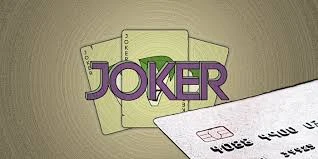

For much of the 2010s, one name cast a long shadow over the world of cybercrime: JokerStash. Also known in some circles as “JStash,” this elusive darknet marketplace transformed from a simple stolen credit card bazaar into one of the most well-oiled, respected, and feared operations in the criminal underworld. Long after its quiet retirement in 2021, JokerStash remains a defining case study in how data-driven black markets can evolve, thrive, and eventually shape the very future of digital crime.

This is the story of how JokerStash changed the face of cybercrime—not with brute force or flashy hacks, but through systemization, psychology, and near-corporate discipline.
The Business of Stolen Data
JokerStash’s core commodity was data—specifically, stolen financial data. While there were many marketplaces trafficking in credit card dumps, few matched JokerStash’s consistency, volume, and customer service. At its peak, the platform reportedly offered tens of millions of compromised cards, many of which originated from high-profile retail and point-of-sale system breaches.
But what set JokerStash apart wasn’t just quantity—it was quality control. Each data listing was vetted. Vendors were held to standards. Listings came with detailed metadata: issuing banks, geolocation, card types, and freshness. For buyers—many of whom were criminals looking to carry out fraud or laundering—this precision meant less risk and higher profit margins.
JokerStash didn’t just sell stolen information. It sold reliable, curated access to identities—and in the world of cybercrime, that made it indispensable.
The Marketplace That Ran Like a Corporation
Unlike the chaotic and scam-ridden darknet markets that came before it, JokerStash introduced a level of professionalism rarely seen in the cybercrime world. It operated like a digital cartel with a business plan, maintaining a user-friendly platform complete with search features, escrow systems, and tiered vendor access.
The psychology behind it was powerful: vendors built reputations over time, gaining trust from buyers and earning higher status. Buyers returned again and again because of the predictability. The site even featured a form of customer support, and disputes were handled systematically—mimicking the clean functionality of platforms like eBay or Amazon.
In a realm where betrayal and scams are commonplace, JokerStash created a sense of order. It didn’t just offer illegal goods; it offered a structured criminal economy, and that attracted professional cybercriminals looking for stability.
A Global Footprint
JokerStash’s reach was international. Data for sale spanned across continents—cards from North America, Europe, Asia, and beyond. Its infrastructure was built to withstand pressure, relying on layered security, hidden servers, and anonymity tools like Tor, Bitcoin mixers, and PGP encryption.
The site’s operators remained faceless throughout its operation, hiding behind the iconic “Joker” persona. While the true identity of the people behind JokerStash remains unknown, their ability to manage such a massive, cross-border enterprise with minimal disruption for years points to a team with deep technical knowledge, operational discipline, and an understanding of human psychology.
For law enforcement, this presented an enormous challenge. Traditional takedown strategies—server seizures, arrests, pressure campaigns—often failed due to JokerStash’s decentralized model and airtight opsec. Investigators were forced to rethink how they approached darknet targets, leading to new techniques in blockchain forensics, cyber intelligence, and international cooperation.
The Quiet Exit Heard Around the World
In January 2021, JokerStash posted a simple farewell message:
“Joker goes on a well-deserved retirement. It’s time for us to leave forever.”
There were no dramatic arrests. No takedown banners. No press releases from law enforcement agencies. Just silence. For a platform that operated so loudly beneath the surface, its exit was almost poetic—vanishing like a ghost, leaving behind a disrupted ecosystem and millions of dollars in damage.
To this day, it’s unclear why JokerStash shut down. Some believe the operators saw the writing on the wall—advancing law enforcement techniques, improved data tracing, and possible leaks may have pushed them to exit before getting caught. Others suggest the shutdown was a strategic move—perhaps a rebrand, or simply a graceful bow-out after years of success.
Regardless of motive, the message was clear: JokerStash left on its own terms.
A New Blueprint for Digital Crime
The impact of JokerStash didn’t end with its closure. If anything, its legacy is foundational. It showed that cybercrime could be scaled like a startup. That reputation could replace identity. That professionalism, not chaos, was the key to long-term success.
Today, many new dark web markets borrow directly from the JokerStash playbook—structured interfaces, rating systems, vendor vetting, customer support. Its approach became the blueprint for modern illicit platforms, and its absence continues to shape how underground economies function.
JokerStash may be gone, but it changed the game forever. It proved that in the digital age, data is the new gold, and whoever controls its flow holds the real power.











Sign in to leave a comment.