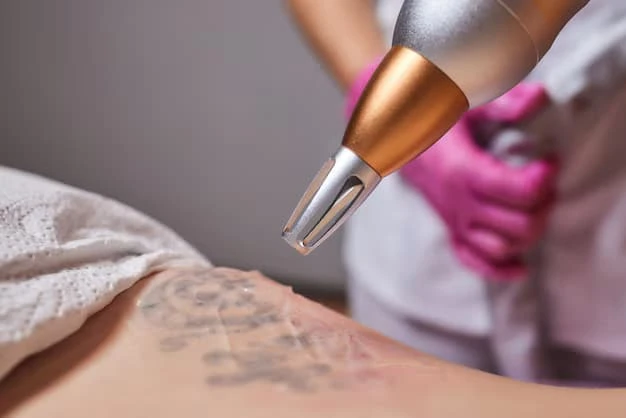

Tattoos are a popular form of self expression, but over time personal preferences, lifestyles, or circumstances can change. What once felt meaningful may no longer reflect who someone is today. For individuals researching laser tattoo removal glasgow, modern laser technology offers a safe and effective way to fade or completely remove unwanted tattoos. With professional assessment and carefully planned treatments, laser tattoo removal has become the gold standard for addressing tattoos of different sizes, colours, and ages.
Unlike older removal methods that were invasive and often caused scarring, laser tattoo removal works with the body’s natural processes. Treatments are designed to break down tattoo ink while preserving the surrounding skin. This article explains how laser tattoo removal works, what the treatment process involves, and what results individuals can realistically expect from expert led care.
Understanding How Tattoo Ink Sits in the Skin
When a tattoo is applied, ink is injected into the dermis, which is the deeper layer of the skin. Unlike the outer layer that naturally sheds, the dermis is more stable, allowing the ink to remain visible for many years. The body recognises the ink as a foreign substance but is unable to fully remove it on its own due to the size of the ink particles.
Tattoo ink particles are too large for the immune system to break down completely. This is why tattoos remain permanent without intervention. Over time, some fading may occur naturally, but complete removal requires advanced treatment that can fragment the ink into smaller particles.
Laser tattoo removal is designed specifically to target these ink particles. By breaking them into smaller fragments, the body’s immune system can gradually clear them away, leading to visible fading over a series of sessions.
What Is Laser Tattoo Removal
Laser tattoo removal uses focused light energy to target tattoo ink beneath the skin. Different wavelengths of laser light are absorbed by different ink colours. When the ink absorbs this energy, it breaks into tiny fragments that the body can naturally process and eliminate.
Modern laser systems allow practitioners to treat a wide range of ink colours and skin tones. This technology has significantly improved outcomes compared to earlier methods, making treatments safer and more effective.
Laser tattoo removal is non surgical and does not involve cutting the skin. Treatments are performed in controlled sessions, allowing gradual fading while minimising the risk of scarring or damage to surrounding tissue.
How Laser Tattoo Removal Works Step by Step
Targeting the Ink with Laser Energy
During treatment, the laser is passed over the tattooed area. The light energy penetrates the skin and is selectively absorbed by the tattoo ink. Because the laser targets pigment specifically, the surrounding skin remains largely unaffected.
Different ink colours require different laser wavelengths. Darker inks such as black and dark blue tend to respond more quickly, while lighter colours may require additional sessions. Professional assessment ensures the correct settings are used for each tattoo.
Breaking Down Ink Particles
Once the ink absorbs the laser energy, it shatters into microscopic fragments. These fragments are small enough for the body’s immune system to recognise and remove gradually over time.
This process does not happen instantly. The body clears ink particles slowly between sessions, which is why treatments are spaced several weeks apart. This allows the skin to heal and the immune system to do its work effectively.
Natural Removal by the Immune System
After each session, the lymphatic system begins to remove the broken down ink particles. Over the following weeks, the tattoo appears lighter as pigment is cleared from the skin.
The rate at which ink is removed varies between individuals. Factors such as overall health, immune function, tattoo age, and ink density all influence results. This gradual process is key to safe and effective tattoo removal.
Types of Tattoos Suitable for Laser Removal
Laser tattoo removal is suitable for most professional and amateur tattoos. Professional tattoos often contain denser ink and may require more sessions, while amateur tattoos usually fade more quickly due to lighter ink application.
Older tattoos generally respond better than newer ones, as some natural fading has already occurred. However, even recent tattoos can be treated effectively with the right approach.
Tattoos of various sizes can be treated, from small symbols to large multi coloured designs. A personalised plan is created based on tattoo characteristics and individual skin type.
What to Expect During Treatment Sessions
Laser tattoo removal sessions are relatively quick, depending on the size of the tattoo. Small tattoos may take only a few minutes, while larger pieces require longer sessions.
Most individuals describe the sensation as similar to a snapping elastic band against the skin. Cooling systems or numbing options are often used to enhance comfort during treatment. While some discomfort is expected, sessions are generally well tolerated.
Immediately after treatment, the area may appear red or slightly swollen. This is a normal response and typically subsides within a short period. Practitioners provide aftercare guidance to support healing and reduce irritation.
Number of Sessions and Treatment Timeline
Laser tattoo removal is not a one session procedure. Multiple sessions are required to achieve significant fading or complete removal. On average, individuals may need between six and twelve sessions, though this varies widely.
Sessions are usually spaced six to eight weeks apart. This spacing allows the skin to recover and the immune system to clear ink fragments. Rushing the process can increase the risk of irritation without improving results.
Experts explain the expected timeline during consultation, helping individuals understand the commitment involved. Patience and consistency are essential for optimal outcomes.
Factors That Influence Results
Several factors influence how quickly and effectively a tattoo responds to laser removal. Ink colour is one of the most important. Black ink absorbs laser energy well and is typically the easiest to remove, while lighter colours may take longer.
Tattoo location also plays a role. Areas with better blood circulation tend to clear ink more efficiently. Tattoos closer to the heart often fade faster than those on extremities such as hands or feet.
Individual health, immune response, and skin type all affect results. Professional assessment ensures these factors are considered when creating a treatment plan.
Importance of Professional Consultation
A thorough consultation is a critical part of laser tattoo removal. Practitioners assess the tattoo, skin type, medical history, and expectations before starting treatment.
Certain skin conditions, medications, or recent sun exposure may affect suitability. Without proper assessment, there is a higher risk of complications such as irritation or uneven fading.
Professional guidance also helps manage expectations. Complete removal may not always be possible, but significant fading is achievable in most cases with expert care.
Aftercare and Skin Recovery
Aftercare plays a vital role in the success of laser tattoo removal. The treated area should be kept clean and protected while it heals. Practitioners typically advise avoiding sun exposure and applying soothing products as recommended.
Picking or scratching the area should be avoided, as this can increase the risk of scarring. Following aftercare instructions supports healthy healing and improves overall results.
Between sessions, maintaining good overall health can support the immune system in clearing ink fragments. Hydration, balanced nutrition, and avoiding smoking may all contribute to better outcomes.
Choosing the Right Location for Treatment
Access to experienced practitioners and advanced laser technology significantly affects treatment quality. Professional clinics provide controlled environments with strict safety protocols.
In cities such as Glasgow, individuals can access expert led laser tattoo removal services designed to handle a wide range of tattoo types and skin tones. This ensures treatments are performed safely and effectively.
Researching experience, attending consultations, and asking questions helps individuals feel confident in their choice of provider.
Managing Expectations and Final Results
Laser tattoo removal delivers gradual results rather than instant change. Tattoos fade over time as ink is cleared by the body, and patience is required throughout the process.
While many tattoos can be removed completely, some may leave faint traces or shadows. Experts explain these possibilities clearly before treatment begins.
With realistic expectations, professional care, and commitment to the treatment plan, individuals can achieve significant improvement and feel confident in their skin again.
Conclusion
Laser tattoo removal offers a safe and effective solution for those looking to fade or remove unwanted tattoos. By breaking down ink particles and allowing the body to clear them naturally, this advanced treatment delivers gradual and reliable results. With personalised assessment, expert care, and proper aftercare, individuals can expect meaningful improvement through professional laser tattoo removal services at Este Medical Group.


Sign in to leave a comment.