
Wrinkle-relaxing treatments continue to attract busy adults who want to maintain a refreshed and expressive appearance. One of the most common questions people ask when choosing Botox in London is how long the results will last. While the treatment offers smoother lines and a more relaxed look, it does not produce permanent changes. Understanding the timeline of effects can help individuals plan their appointments and maintain consistent outcomes.
The duration of Botox varies from person to person for several reasons, including lifestyle habits, metabolism, dose, and facial movement. Let’s look more closely at how the treatment works and what influences its longevity.
How Botox Works
Botox is a purified protein that temporarily reduces muscle contraction. Wrinkles such as frown lines, forehead lines, and crow’s feet form because certain facial muscles repeatedly contract during expressions. Over time, these movements crease the skin, and the weakened collagen in ageing skin cannot bounce back as easily.
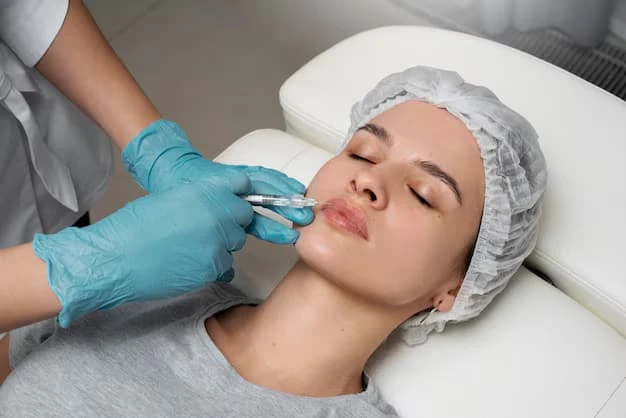
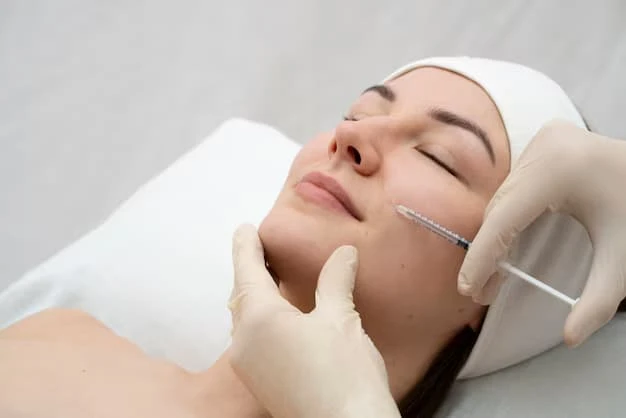
When receiving Botox in London, small amounts of the toxin are injected into specific muscles. This blocks signals that normally cause strong contraction. As the muscles relax, the skin above them smooths out. The face continues to move naturally, but deep expression lines soften noticeably.
The effects are not immediate. Most clients begin to see improvement within three to seven days, with full results developing after about two weeks.
Typical Duration of Botox Results
On average, the results of Botox in London last between three and four months. For some individuals, the effects may extend up to five or six months, particularly after receiving repeated treatments. For others, the effects may fade slightly sooner, especially if they have strong facial muscles or a fast metabolism.
General duration estimates:
- Forehead lines: 3–4 months
- Frown lines (between the eyebrows): 3–4 months
- Crow’s feet: 3–4 months
- Jaw or masseter Botox: 4–6 months (due to larger muscles)
As the muscles regain movement over time, lines may gradually reappear. The change is not sudden; it fades little by little.
Why Botox Lasts Longer for Some People
Although three to four months is common, various factors influence the longevity of Botox in London:
Muscle Strength
People with strong, expressive muscles, such as those who often frown or squint, may see results wear off faster.
Metabolism
Those with fast metabolism, including active individuals or frequent gym users, may break down the toxin more quickly.
Dosage
Higher doses may produce longer-lasting results. However, a professional aims for balance rather than using too much.
Consistency of Treatment
Regular appointments can train muscles to contract less forcefully, sometimes leading to longer-lasting effects over time.
Area Treated
Areas like the jaw muscles usually last longer because they involve larger, more powerful muscles.
Understanding these factors helps clients have realistic expectations when considering Botox in London.
How to Make Results Last Longer
While no one can control metabolism completely, certain habits may help support longer-lasting results:
- Avoid rubbing or massaging treated areas right after injections
- Reduce excessive stress on facial muscles (like squinting due to bright screens)
- Protect skin from sun exposure, as UV damage increases wrinkle formation
- Keep the skin hydrated to support elasticity
- Maintain regular appointments to prevent muscles from regaining full strength
Good skincare habits complement the effects of Botox by keeping the surface of the skin healthy and elastic.
What Happens When Botox Wears Off?
As Botox in London gradually fades, muscle movement increases again. Lines may return, but they usually appear softer than before treatment. Many clients notice that the skin still looks smoother, even at the end of the effect period, especially if they’ve had multiple treatments.
This happens because Botox prevents the skin from folding repeatedly over time. Reduced movement slows the deepening of wrinkles, acting as a preventative measure as well as a cosmetic one.
Why Maintenance Treatments Are Recommended
To maintain a smooth appearance, most people schedule follow-up treatments every three to four months. Regular maintenance keeps the muscles relaxed consistently, allowing individuals to enjoy ongoing results without dramatic changes between sessions.
Practitioners offering Botox in London often customise maintenance plans to suit each person’s needs. Some require more frequent touch-ups, while others may enjoy longer intervals.
Final Thoughts
Botox offers temporary but effective softening of expression lines. For most individuals, results last several months and fade gradually rather than suddenly. The longevity of Botox in London depends on lifestyle, muscle movement, dosage, and individual biology. With proper care and consistent appointments, many people find that wrinkle-relaxing injections provide smooth, natural-looking results that fit comfortably into their routine, helping them maintain confidence and a refreshed appearance throughout the year.











Sign in to leave a comment.