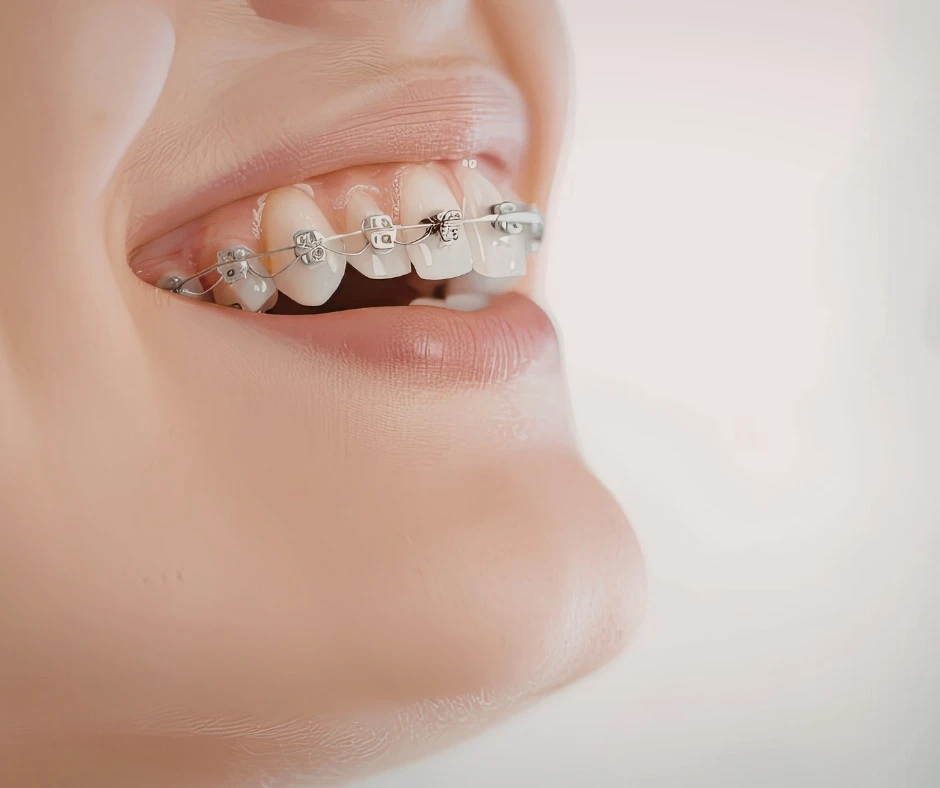

You’ve probably seen someone get their braces off and thought, “That must have taken too long.” Then you start wondering what your own timeline would look like. A few months? Two years? Something in between? If you’re considering dental braces, you deserve a straight answer, not a vague estimate.
Honestly, there’s no one-size-fits-all timeline. How long you’ll wear braces depends on your teeth, your bite, and the kind of braces you pick. Some people are done before they expect. Others need a bit more time so their teeth can shift safely.
Let’s lay it all out, step by step, so you know exactly what you’re expecting from start to finish.
How Long Do Dental Braces Usually Take?
For most patients, traditional dental braces take about 18 to 24 months. That’s the average. Mild spacing or minor crowding might be corrected in around 12 months. More complex bite problems can stretch closer to two years.
However, newer systems such as FASTBRACES can often complete treatment in months instead of years. Many patients finish within 3 to 12 months, depending on the case.
The difference comes down to how the teeth move. Traditional braces shift the visible part of the tooth first and adjust the root later. Faster systems are designed to move both at the same time, which can shorten treatment significantly.
What Decides Your Treatment Timeline?
No dentist can promise an exact number of months without examining your teeth first. Still, several clear factors influence how long braces take.
1. The Condition of Your Teeth
If your teeth are slightly crooked or have small gaps, correction usually happens more quickly. Severe crowding, deep overbites, underbites, or jaw alignment issues take longer because more movement is required.
The more corrections needed, the more time your body needs to respond safely.
2. Your Age
Teens often respond faster because their bones are still developing. Adults can absolutely achieve excellent results, but tooth movement may be slightly slower since the jaw is fully formed.
That doesn’t mean adults need years. It simply means treatment is customized.
3. The Type of Braces
Traditional metal braces are effective but typically require staged adjustments. On the other hand, FASTBRACES uses a different bracket design that allows controlled root and crown movement together.
That design can reduce overall treatment time and cut down on office visits.
4. How Well You Follow Instructions
Skipping appointments slows progress. So does breaking brackets or not wearing rubber bands as instructed. Good oral hygiene also matters because inflamed gums can delay movement.
Consistency keeps you on track.
What Happens After You Decide to Get Braces?
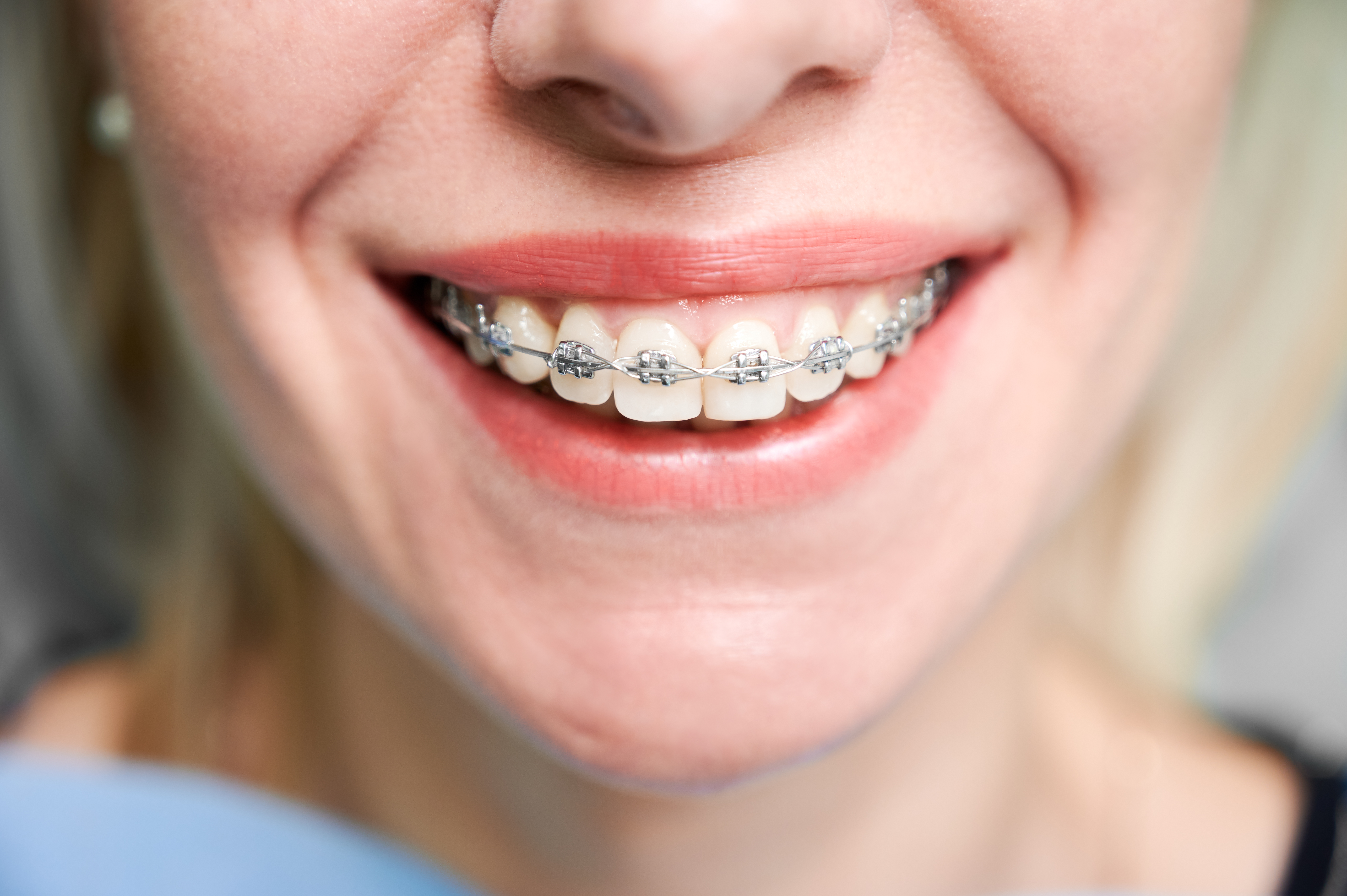
Once you make the decision, things start moving pretty quickly.
Consultation and Exam
At your first appointment, you’ll go through X-rays and digital scans. The dentist will take a close look at your bite, check how your jaw lines up, and talk with you about what you want to fix. They’ll lay out a plan that actually fits you, not just some generic template. You’ll leave that visit with a solid idea of how long the whole process will take. Suddenly, everything feels a lot more manageable.
Braces Placement
Getting braces on usually takes one to two hours. It’s not painful. You’ll feel pressure, but that’s it. Over the next few days, your teeth may feel sore as they start shifting. That soreness is temporary and usually fades within a week.
Adjustment Visits
With traditional braces, adjustments happen every four to six weeks. These visits tighten wires and keep movement steady.
With faster systems, appointments may be fewer because the design works more efficiently. That means less time in the chair and fewer disruptions to your schedule.
Braces Removal
When your teeth are aligned and your bite is corrected, the braces come off. This appointment is quick and painless. After removal, you’ll receive a retainer to maintain your results.
Skipping your retainer can undo months of progress, so this step matters.
Does Faster Mean Less Effective?
Many people assume shorter treatment equals weaker results. That’s not accurate. Modern orthodontic systems are built on years of clinical research. The aim hasn’t changed: it’s all about getting teeth safely to their position.
Take FASTBRACES, for example. The idea isn’t to rush things, but to work smarter. When both the crown and root move together, treatment becomes more direct. For many patients, that means reaching the same healthy outcome in less time.
The key is proper case selection. A thorough evaluation determines whether you qualify for accelerated treatment.
Are Braces Only About Looks?
Straight teeth look great, but the benefits go deeper. Crowded teeth trap food and plaque. That makes brushing and flossing harder. Over time, this increases the risk of cavities and gum disease.
Misaligned bites can also cause uneven tooth wear, jaw tension, and grinding. When your teeth fit together properly, chewing becomes easier, and pressure is distributed evenly. Braces protect long-term oral health. The cosmetic improvement is just one part of the picture.
How to Stay on Schedule
If you want your treatment to finish on time, small habits matter. Brush carefully around brackets. Floss daily. Avoid hard and sticky foods that can damage wires. Show up to every appointment.
When you follow instructions closely, your teeth move as planned. That consistency often shortens overall treatment time.
So, What’s the Real Answer?
How long do dental braces take? For some, it’s under a year. For others, it’s closer to two. The only way to know your exact timeline is through a professional exam.
Here’s the thing: orthodontic treatment has come a long way. Systems like FASTBRACES speed things up, so you don’t have to deal with endless appointments or a ton of discomfort like before.
If you’re tired of wondering what’s next, just book a consultation with a dentist who knows their stuff. You’ll get a clear plan, a real sense of how long it’ll take, and you’ll finally see the quickest, safest way to get the smile you want.










Sign in to leave a comment.