

Memory loss can be one of the most difficult challenges associated with aging. For families, watching a loved one struggle with conditions such as Alzheimer’s or other forms of dementia can be overwhelming. While family members often do their best to provide care, the demands of supporting someone with memory-related conditions can quickly become exhausting. This is where a professional memory care service can provide invaluable help, offering both seniors and their families the support they need.
Understanding Memory Care Services
Focused on Cognitive Support
A memory care service is specifically designed to assist individuals living with memory-related conditions. Unlike general care, it provides specialized strategies that help seniors manage memory loss while promoting safety, comfort, and dignity.
Care at Home
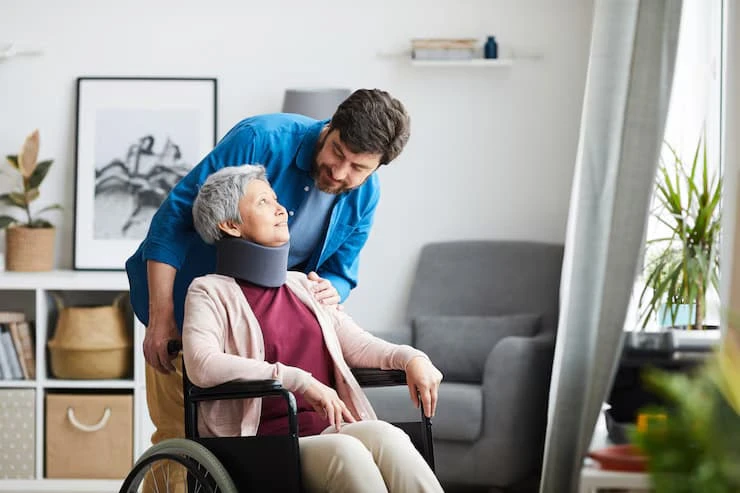
One of the most important aspects of this type of care is that it takes place in the home. Being in familiar surroundings reduces confusion, lowers stress, and helps seniors feel more secure. Caregivers bring their expertise directly to the senior’s home, allowing individuals to remain where they feel most comfortable.
Key Benefits of Memory Care Services
Enhancing Safety at Home
Seniors experiencing memory challenges are at higher risk of accidents. Caregivers help prevent issues by monitoring daily activities, guiding mobility, and reducing hazards within the home environment.
Personalized Routines
Consistency is especially important for those with memory loss. A memory care service helps establish structured routines for meals, activities, and rest. These routines create stability, reduce anxiety, and encourage familiarity.
Specialized Communication Support
Caregivers trained in memory care understand the importance of patience and clear communication. They use strategies that help seniors feel understood, respected, and supported, even during moments of confusion.
Emotional and Social Support
Reducing Loneliness
Social isolation can intensify memory decline. A memory care service provides companionship, encouraging seniors to remain socially engaged through conversations, activities, and gentle interaction.
Supporting Emotional Well-Being
Caregivers offer encouragement, reassurance, and understanding, which helps reduce frustration and anxiety. Their presence provides a calming influence, promoting a more positive daily experience.
Family Reassurance
Families often struggle with guilt or stress when caring for a loved one with memory challenges. Knowing that professional caregivers are offering reliable support brings comfort and peace of mind.
Helping Families Navigate Memory Loss
Relieving the Burden on Family Caregivers
Family caregivers often face emotional exhaustion and physical strain. Memory care services provide much-needed relief, allowing family members to rest, focus on their own responsibilities, and maintain balance in their lives.
Guidance and Education
Professional caregivers often share knowledge and techniques with families, helping them better understand memory-related conditions. This education empowers families to support their loved ones more effectively.
Encouraging Quality Time Together
Instead of being overwhelmed by constant caregiving tasks, families can focus on meaningful moments with their loved one. This allows for stronger bonds and more positive shared experiences.
Services Commonly Offered in Memory Care
Assistance with Daily Living
Caregivers help with tasks such as bathing, dressing, meal preparation, and medication reminders. These services are provided with patience and respect to protect dignity.
Cognitive Engagement
Activities tailored to the individual’s abilities help stimulate memory and keep the mind active. Examples may include simple games, music therapy, or storytelling that encourages recall.
Emotional Companionship
Beyond practical help, memory care service emphasizes companionship, offering emotional comfort that reduces feelings of isolation and confusion.
Choosing the Right Memory Care Service
Assessing Individual Needs
Families should first consider the unique challenges their loved one is facing. For example, someone in the early stages of memory loss may need companionship and reminders, while advanced stages may require more comprehensive support.
Asking About Caregiver Training
Specialized training is essential for caregivers working with memory-related conditions. Families should ensure that the caregivers have experience and skills in handling the complexities of memory care.
Ensuring Personalized Care Plans
Every senior experiences memory loss differently. Families should look for services that create customized care plans tailored to the senior’s needs, preferences, and daily routines.
Compatibility and Compassion
A strong bond between caregiver and senior is crucial. Families should seek caregivers who demonstrate patience, kindness, and the ability to connect on a personal level.
Long-Term Benefits of Memory Care Services
Promoting Independence
Even with memory challenges, seniors can maintain a sense of independence when given the right support. Caregivers encourage seniors to do as much as they can while stepping in when assistance is needed.
Reducing Stress for Everyone
When seniors are cared for at home, both they and their families experience less stress. Familiar surroundings, consistent routines, and professional support create a calm environment.
Enhancing Quality of Life
Above all, memory care service aims to improve overall well-being. Seniors enjoy comfort, families gain peace of mind, and everyone benefits from the reassurance that compassionate care is available.
Conclusion
A professional memory care service offers more than daily assistance. It provides specialized support that helps seniors manage memory challenges with dignity while giving families peace of mind. From improving safety and creating routines to offering companionship and emotional reassurance, memory care makes a meaningful difference in the lives of both seniors and their loved ones.
For families seeking trusted support, Interim HealthCare provides compassionate memory care services that focus on dignity, comfort, and personalized care at home. Their dedicated team is ready to help families navigate memory-related challenges with understanding and expertise. Now is the time to reach out and discover how their in-home support can bring comfort and confidence to both seniors and their families.












Sign in to leave a comment.