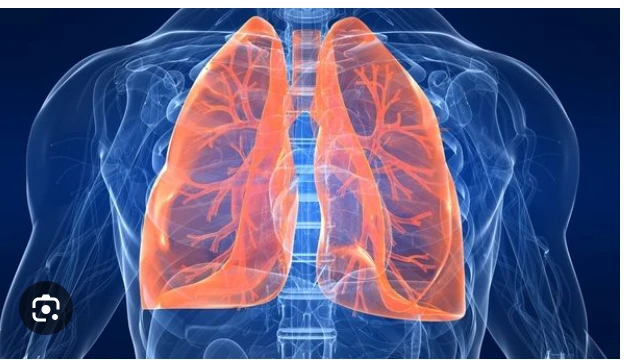
Lung cancer continues to be one of the most significant health threats in the modern era. Despite advancements in medicine and technology, the mortality rate associated with this illness remains high. Known as 肺癌 in Chinese, this condition has a massive impact across Asia and globally, particularly in urban populations where risk factors are widespread.
In this article, we’ll explore how global healthcare systems are evolving to better detect, manage, and treat lung cancer, highlighting some of the most pressing challenges and the innovative solutions shaping patient outcomes.
Understanding Lung Cancer
Lung cancer is caused by the uncontrolled growth of abnormal cells in the lungs, typically in the cells lining the air passages. These cells do not function like normal lung cells and eventually form tumors that can interfere with breathing. As 肺癌 progresses, it can metastasize to other organs, making treatment more complex.
There are two primary types of lung cancer:
- Non-Small Cell Lung Cancer (NSCLC) – The most common type, which includes subtypes like adenocarcinoma, squamous cell carcinoma, and large cell carcinoma.
- Small Cell Lung Cancer (SCLC) – Less common but more aggressive and fast-growing.
Key Risk Factors
The development of 肺癌 is influenced by several risk factors:
- Tobacco Use: Smoking remains the leading cause, responsible for around 85–90% of all lung cancer cases.
- Air Pollution: Especially relevant in high-density cities like Hong Kong, Beijing, and Delhi, where smog and industrial pollution can significantly impact lung health.
- Secondhand Smoke: Even non-smokers are at risk if regularly exposed to smoke in public or private settings.
- Exposure to Radon Gas: This naturally occurring gas can become trapped indoors and is a silent contributor to lung cancer.
- Genetic Factors: Individuals with a family history of lung cancer may be more susceptible, especially when combined with environmental risks.
- Occupational Hazards: Exposure to carcinogens like asbestos, diesel exhaust, or heavy metals in the workplace increases the likelihood of developing 肺癌.
Treatment Options in the Modern Era
The treatment of 肺癌 has entered a new era, where personalized medicine is replacing one-size-fits-all approaches. The treatment path depends on the type, stage, and genetic profile of the tumor, as well as the patient’s overall health.
1. Surgery
Surgical removal of the tumor is often the first step for early-stage lung cancer. Depending on the size and location of the tumor, this might involve a lobectomy (removal of a lung lobe) or a pneumonectomy (entire lung removal).
2. Radiotherapy
High-energy radiation is used to destroy cancer cells, especially in patients who cannot undergo surgery. Techniques like stereotactic body radiotherapy (SBRT) have increased accuracy and reduced side effects.
3. Chemotherapy
A systemic treatment that uses anti-cancer drugs to kill or halt the growth of cancer cells. It’s typically used in more advanced stages or combined with surgery and radiotherapy.
4. Targeted Therapy
Certain mutations in 肺癌, such as EGFR, ALK, or KRAS, can be targeted with specialized drugs. These therapies are less harmful to healthy cells and often have better outcomes than traditional chemotherapy.
5. Immunotherapy
This innovative approach boosts the patient’s immune system to fight cancer. Drugs such as checkpoint inhibitors have proven effective in treating advanced NSCLC and are now a standard option in many treatment protocols.
The Role of Public Awareness and Screening
A major barrier in controlling lung cancer is the late diagnosis of the disease. In countries like China and other parts of Asia, lung cancer is frequently discovered at Stage III or IV, when curative treatment is no longer possible.
Raising public awareness about the importance of early screening is essential. Public health campaigns, especially in urban centers where 肺癌 incidence is high, must promote:
- Annual LDCT scans for high-risk groups
- Smoking cessation programs
- Air quality control and environmental health
- Genetic counseling for individuals with a family history
The Case of Hong Kong: A Regional Perspective
In Hong Kong, 肺癌 is one of the most common causes of cancer-related deaths. Despite its advanced healthcare system, the city faces challenges like an aging population, high smoking prevalence among certain groups, and poor air quality.
To counter these trends, healthcare institutions in Hong Kong have implemented:
- Comprehensive screening services through public and private hospitals
- Access to cutting-edge therapies and clinical trials
- Community education and counseling for high-risk populations
- Collaborative research with global cancer centers to improve survival rates
Living with Lung Cancer
Beyond medical treatment, managing 肺癌 requires emotional, psychological, and social support. Support groups, counseling services, and holistic care are becoming essential parts of the treatment journey.
Patients who adopt a positive outlook, maintain a balanced lifestyle, and stay informed tend to fare better. Palliative care options also help improve the quality of life for those in advanced stages of the disease.
Future Outlook
The fight against 肺癌 is far from over, but progress is undeniable. The combination of early detection, targeted therapy, and better public education has begun to shift outcomes in favor of patients. As technology continues to evolve, we can expect even more precise, less invasive, and highly effective treatments in the years ahead.
Global collaboration between research institutions, governments, and healthcare providers is crucial. From AI-based diagnostics to mRNA-based cancer vaccines, the future holds promise—if society continues to prioritize early intervention and healthy living.
Final Thoughts
Lung cancer, or 肺癌, is a serious disease with a significant global footprint. But it’s no longer the untreatable condition it once was. With increasing knowledge, awareness, and access to life-saving technologies, patients have more hope than ever before.
If you're at risk or concerned about lung health, the best step you can take is to consult a medical professional, avoid known risk factors, and stay informed about your options.














Sign in to leave a comment.