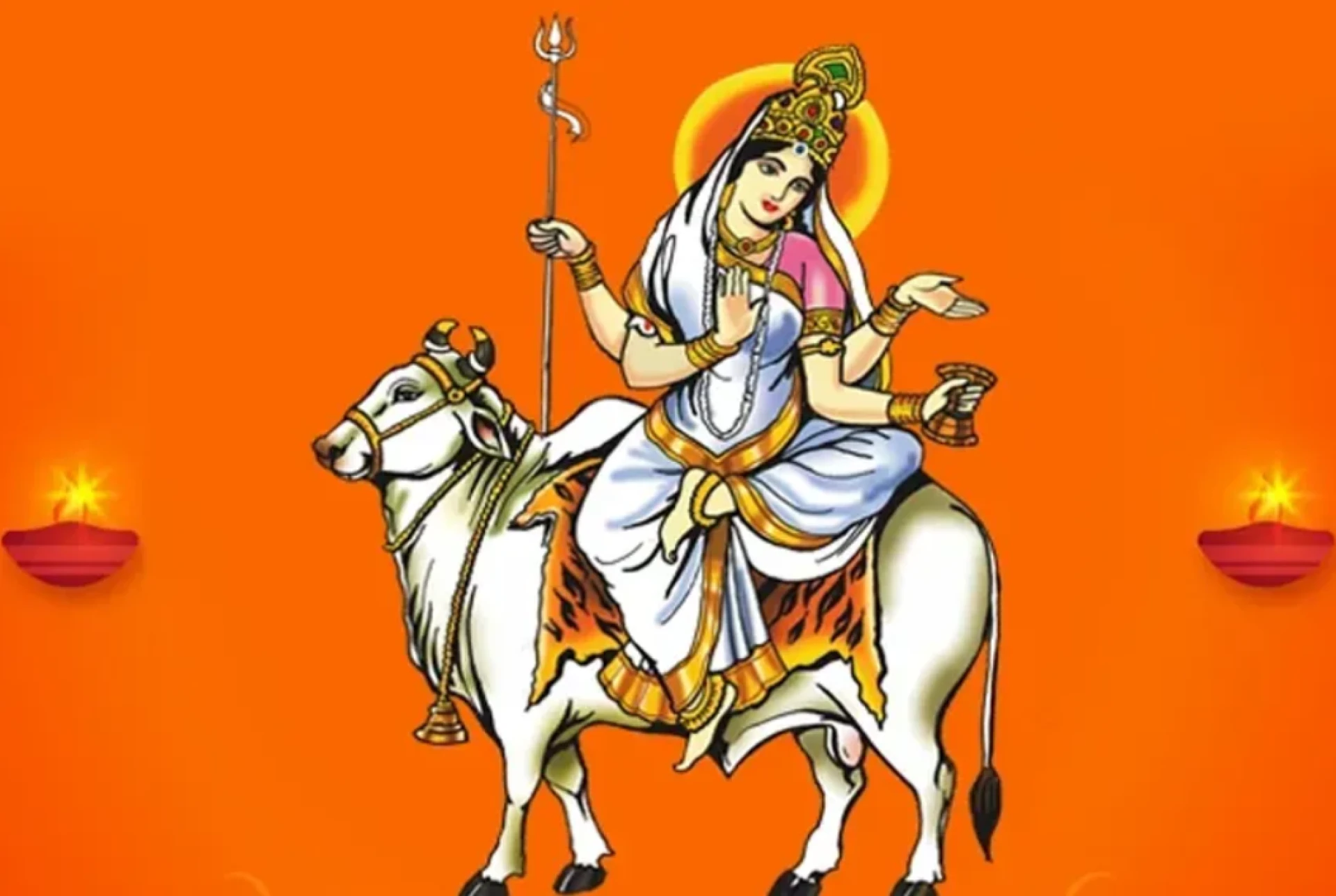
Every year, when the vibrant festival of Navratri arrives, hearts across India beat with devotion as we worship Goddess Durga, the embodiment of Shakti (divine feminine power). At Krishnayan, we celebrate Navratri not only through the worship of Maa Jagdambe but also by recognising and serving Mother Cow (Gaumata)—an entity deeply interwoven with Hindu tradition and with many meaningful connections to Goddess Durga. In this article, we explore how Mother Cow is associated with Goddess Durga and Navratri at Krishnayan, and why this association is spiritually significant.
The Sacred Role of Mother Cow in Sanatan Dharma
In Sanatan Dharma, the cow is revered as a maternal figure—often referred to as Mother Cow. She is not only provider but also a living temple, a vessel that carries divine presence. At Krishnayan, the cow is honoured as a form of Mother Power, integral to many festivals and rituals. As the Krishnayan blog explains, cow is considered more than just an animal—it is a symbol of nourishment, compassion and purity.
Navratri & Goddess Durga: Celebration of Divine Energy
Navratri spans nine nights dedicated to worshipping Goddess Durga in her various forms. Devotees fast, pray, meditate, chant, perform aartis, and engage in community rituals, all seeking the blessings of courage, protection, strength, and spiritual awakening. Goddess Durga is the supreme Shakti—protector of dharma, destroyer of evil, bearer of compassion.
Connecting Mother Cow and Goddess Durga
At Krishnayan, the blog “How Mother Cow associated with Goddess Durga and Navratri?” describes several ways in which Mother Cow is deeply connected with Maa Durga and this festival:
- Divine Residence: Mother Cow is believed to house all the Gods and Goddesses—in particular, during Navratri, when the power of the divine feminine is celebrated, the cow is seen as a tangible link to that energy. By serving and seeing Mother Cow, devotees are considered to receive blessings from all the deities.
- Walking Temple: The idea of the cow as a walking temple is especially important. Just as temples are sacred spaces where one offers prayers, the presence of a gentle and cared-for cow is considered as sacred. Krishnayan emphasizes that Gods and Goddesses incarnate to serve Mother Cow, reinforcing her sanctity.
- Manifestation of Shakti: Since Durga is the power that protects, nurtures, and destroys evil, Mother Cow—through her nurturing and protective qualities—is aligned with the attributes of Shakti. The maternal, life-giving aspects of the cow mirror Durga’s compassion.
How to Honour Mother Cow During Navratri at Krishnayan
Krishnayan offers devotees ways to express their devotion during Navratri that integrate the veneration of Mother Cow:
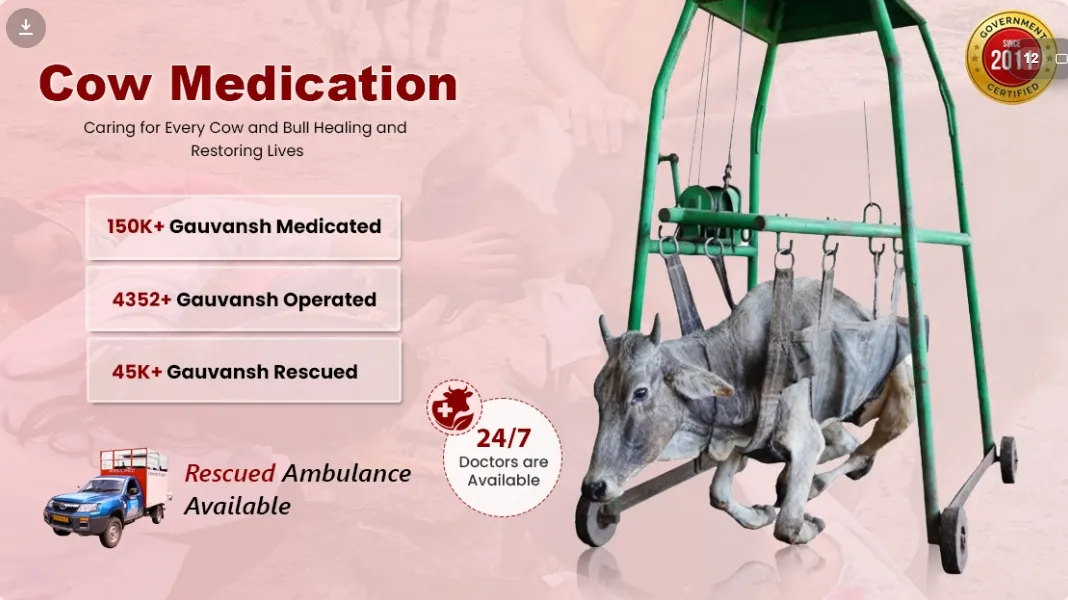
- Gauseva (Service to Cows): Feeding cows, tending to their needs, providing shelter. This seva is seen as sacred, especially on Navratri.
- Donation & Adopting: Donating fodder, medicines, or even adopting Gaushalas helps ensure Mother Cow is respected and protected. Actions of giving and caring are considered to make Navratri observances more meaningful.
- Prayers and Rituals: While performing puja to Goddess Durga, devotees can also offer prayers to Mother Cow, acknowledging her as a vessel of divine power.
- Inner Reflection & Devotion: Recognising Mother Cow’s role leads to humility, compassion, and a sense of oneness with creation—all qualities that Navratri seeks to cultivate.
Spiritual Significance & Blessings
By combining reverence for Goddess Durga and Mother Cow, devotees at Krishnayan believe one can attain deeper spiritual cleansing, protection, and blessings. Some specific traditional beliefs mentioned in the Krishnayan blog include that serving Mother Cow has the power to eliminate problems, fulfil wishes, protect from negative influences, and bring auspiciousness.
Conclusion
At Krishnayan, the association of Mother Cow with Goddess Durga and Navratri is not just symbolic—it’s lived through seva (service), ritual, and devotion. Mother Cow stands as a sacred bridge between the divine feminine power and everyday acts of compassion. This Navratri, when you worship Maa Durga, remember that serving, respecting, and honouring Mother Cow amplifies your devotion. May your Navratri be filled with blessings, strength, and spiritual growth through recognising the sacredness of Mother Cow in the light of Durga’s grace.









Sign in to leave a comment.