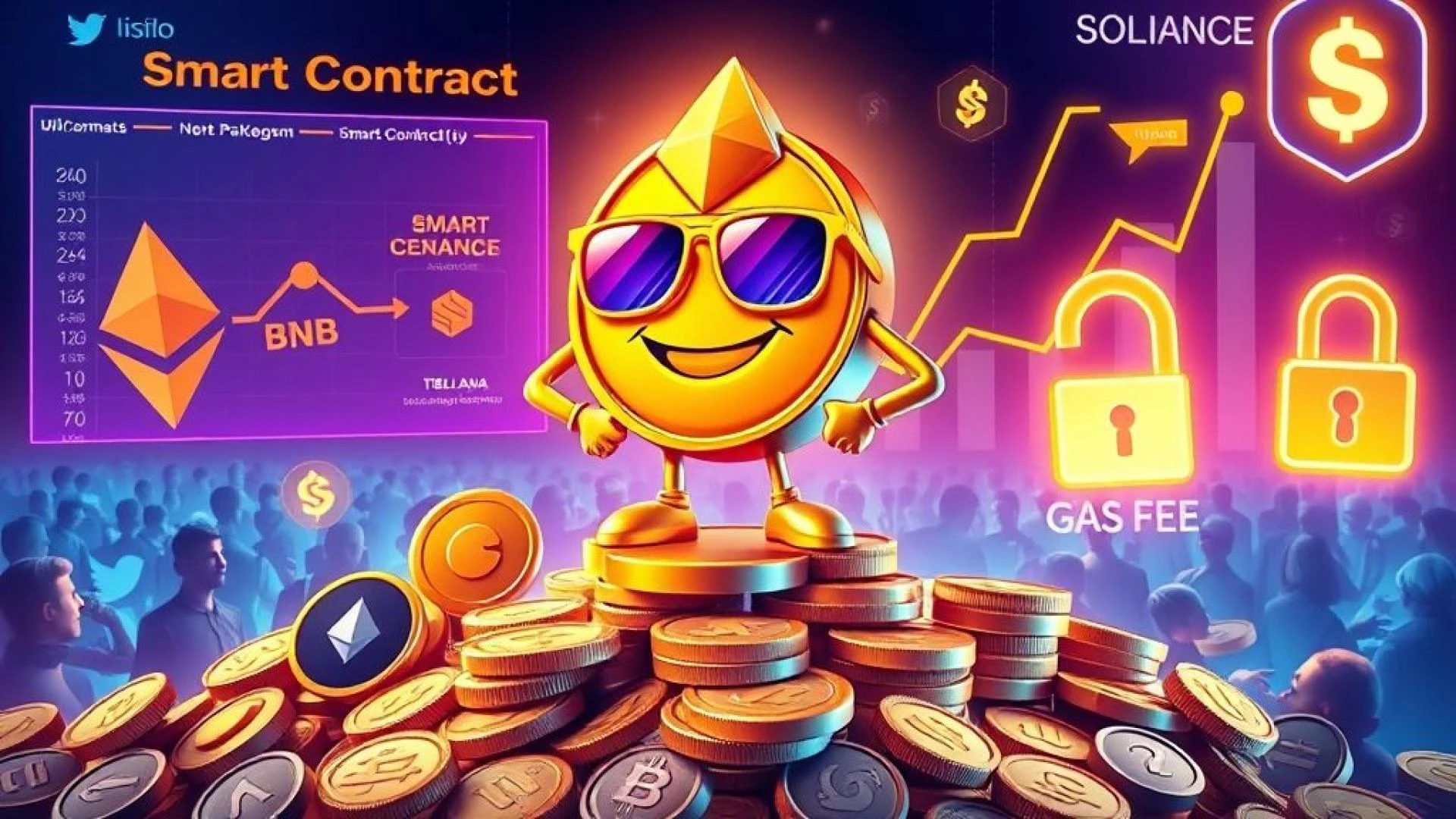

The rise of meme coins like Dogecoin, Shiba Inu, and Pepe has revolutionized the crypto landscape, making humor, community, and internet culture major forces in blockchain adoption. In 2025, meme coins continue to thrive as fun and speculative assets, often going viral through social media and influencer buzz. For entrepreneurs and crypto enthusiasts looking to ride the wave, understanding the cost of creating a meme coin is the first crucial step.
Creating a meme coin in 2025 is more accessible than ever, thanks to advancements in blockchain tools and token standards. However, the costs can vary widely based on factors such as the chosen blockchain (Ethereum, BNB Chain, Solana, etc.), smart contract development, tokenomics design, listing fees, and marketing. Whether you're aiming for a fun community-driven coin or hoping to turn it into a viral sensation, this blog offers a clear breakdown of expenses and expert tips to optimize your investment.
What is a Meme Coin?
A meme coin is a type of cryptocurrency inspired by internet memes, pop culture, or social media trends, often created more for fun or community engagement than for functional utility. Unlike traditional cryptocurrencies with defined use cases, meme coins typically gain value through hype, celebrity endorsements, or viral social media attention. They are highly volatile and speculative, relying heavily on community support rather than underlying technology or economic fundamentals. Common characteristics include humorous branding, large token supplies, and a strong online community presence. Despite their lighthearted origins, some meme coins have achieved substantial market capitalization.
In 2025, popular meme coins include Dogecoin (DOGE), the pioneer of meme coins; Shiba Inu (SHIB), known as the “Doge killer”; and newer entrants like PepeCoin (PEPE) and Floki Inu (FLOKI). These coins continue to thrive, fueled by social media buzz, influencer support, and integration into broader blockchain ecosystems. However, they remain high-risk investments.
Key Cost Factors in Meme Coin Creation
Creating a meme coin in 2025 may seem straightforward on the surface, but success often hinges on careful planning, quality development, and reliable infrastructure. While the process is more accessible than ever, your budget will depend on a few critical areas. Below, we break down the key cost factors that influence the development and launch of a meme coin in today’s crypto environment.
1. Blockchain Selection (Ethereum, BNB Chain, Solana, etc.)
The blockchain you choose to deploy your meme coin will shape not only the development process but also its scalability, visibility, and associated costs. Ethereum remains the most popular choice due to its large user base, DeFi integrations, and liquidity access. However, its gas fees are notoriously high, especially during peak congestion. On the other hand, BNB Chain (formerly Binance Smart Chain) offers lower fees, fast transactions, and strong support for new projects, making it a go-to option for meme coin developers on a budget. Solana, known for its lightning-fast transaction speed and minimal fees, is another viable option but may pose challenges for those unfamiliar with its development environment.
Costs here primarily relate to token deployment, transaction fees during development and testing, and overall ecosystem compatibility. Your selection should align with your project's technical capabilities, community goals, and budget expectations.
- Estimated cost breakdown:
- Ethereum: $300–$1,500+ for deployment and initial testing
- BNB Chain: $50–$500, highly cost-effective for startups
- Solana: $100–$1,000+, depending on toolchain familiarity and setup
2. Smart Contract Development
The smart contract is the backbone of your meme coin. It governs how the token operates—its total supply, transfer rules, tax mechanisms, and any added utilities like staking or burns. A basic meme coin might simply follow standard token templates such as ERC-20 or BEP-20, allowing you to launch quickly using open-source frameworks. However, more advanced features—like automated liquidity provision, reflection rewards, anti-whale limits, and anti-bot protection—require custom coding.
If you're not a developer, you'll need to hire a freelancer or a blockchain development company. Quality and reliability matter—a single flaw in your contract can expose users to rug pulls or bugs that destroy trust in your project.
- Estimated cost breakdown:
- Using open-source templates: $200–$1,000
- Hiring a developer for custom logic: $1,000–$5,000+
- Working with a professional agency: $3,000–$10,000 or more depending on complexity
3. Tokenomics Design
Tokenomics isn’t just about choosing a total supply—it’s about designing a system that encourages community growth, long-term holding, and sustainable value. Good tokenomics outline how tokens are distributed (team, community, liquidity, etc.), if and how taxes are applied on transfers, and whether features like staking, rewards, or burns are built in. Poor tokenomics can lead to early dumping, stagnant trading, or investor disinterest.
You can design tokenomics on your own by studying successful meme coins, but hiring a tokenomics strategist or blockchain consultant can help you avoid mistakes. A professional approach ensures your token functions as intended while appealing to users and investors alike.
- Estimated cost breakdown:
- DIY with online tools/resources: Free to $200
- Hiring a tokenomics expert: $500–$2,000+ for analysis, structure, and whitepaper inclusion
4. Security Audits
Security remains one of the most underestimated yet vital investments in meme coin creation. Meme coins may begin as jokes, but if they go viral, they can handle millions in volume—and without a proper audit, they’re vulnerable to exploits. A security audit reviews your smart contract code to identify bugs, logic errors, and potential attack vectors. This gives investors confidence and prevents costly breaches that could derail your project.
Several firms now offer basic, automated audit services that are fast and relatively cheap. However, for high trust and possible exchange listings, a full audit from a reputable security firm is highly recommended. Audited projects also stand out more during marketing and community building.
- Estimated cost breakdown:
- Basic automated or freelance audit: $500–$2,000
- Advanced audit by top-tier firms (CertiK, Hacken): $5,000–$15,000+
- Post-launch periodic audits (optional): $1,000–$3,000 each
Cost Breakdown (Estimated Ranges)
The total cost of creating a meme coin in 2025 can vary dramatically depending on your goals, scale, and strategy. Some developers launch simple tokens on a shoestring budget, while others invest heavily in branding, audits, and centralized exchange listings to gain massive exposure. Below is a breakdown of the major cost categories you’ll encounter in the development lifecycle of a meme coin.
1. Development Costs: $500–$5,000+
Development is your foundational cost, covering everything from smart contract coding to blockchain deployment. If you're launching a simple ERC-20 or BEP-20 meme coin using open-source templates, costs can be minimal—especially if you handle it yourself. However, if you're building a custom token with advanced features (like auto-burning, staking, or redistribution mechanics), you’ll likely need to hire skilled developers or agencies.
Your development cost includes:
- Smart contract creation and testing
- Token deployment to mainnet
- Optional features like liquidity locks, burn functions, or governance
Estimated cost range:
- Basic launch (DIY or template): $500–$1,000
- Custom features (with developer assistance): $1,000–$5,000+
2. Marketing and PR: $1,000–$50,000+
No matter how good your token is, it won’t succeed without visibility. Marketing is often the largest and most essential investment for meme coins, which thrive on hype, virality, and community engagement. Depending on your budget, your campaign may include influencer partnerships, content marketing, social media ads, press releases, meme campaigns, giveaways, AMAs, and even viral TikTok or YouTube content.
Effective meme coin marketing builds momentum and credibility. Projects with strong narratives and active online communities often outperform those with better technology but poor exposure.
Estimated cost range:
- Basic community push (organic content, Twitter & Telegram): $1,000–$5,000
- Mid-tier campaign (crypto influencers, press release sites): $5,000–$20,000
- Full-scale marketing blitz (YouTube, influencers, PR agencies): $20,000–$50,000+
3. Exchange Listings: $2,000–$100,000+
Getting your meme coin listed on exchanges dramatically improves its credibility and liquidity. While decentralized exchanges (DEXs) like PancakeSwap or Uniswap allow you to list with minimal fees, centralized exchanges (CEXs) charge significant listing fees, which can range from a few thousand to over $100,000 for top-tier platforms.
Most new meme coins begin with DEX listings and pursue CEX listings after gaining traction. Keep in mind that exchanges may also require audits, community stats, or liquidity commitments as prerequisites.
Estimated cost range:
- DEX listing (Uniswap, PancakeSwap): $50–$500 (mainly for gas/liquidity)
- Small-to-mid CEXs (BitMart, MEXC, etc.): $2,000–$25,000
- Top-tier CEXs (Gate.io, KuCoin, Binance): $50,000–$100,000+
4. Legal and Compliance: Optional but Recommended
Though meme coins often start as fun projects, legal compliance is becoming increasingly important in 2025. Regulatory scrutiny around cryptocurrencies is growing globally, and even meme coins can attract attention if they achieve viral status or raise significant capital.
Legal services may include:
- Entity formation (LLC, DAO, etc.)
- Legal opinion letters
- KYC/AML compliance advice
- Token classification (security vs utility)
Skipping legal steps may save money in the short term, but could expose you to fines, lawsuits, or delisting later.
Estimated cost range:
- Basic legal consultation: $500–$2,000
- Comprehensive compliance packages: $5,000–$20,000+
Cost-Saving Tips from Experts
Creating a meme coin doesn’t have to drain your budget. With smart decisions and strategic planning, you can significantly reduce costs while still launching a professional and impactful project. Below are expert-approved tips to help you save money during meme coin creation in 2025:
1. Use Open-Source Templates
One of the most effective ways to save on development costs is by using open-source token templates. Standards like ERC-20 (for Ethereum) and BEP-20 (for BNB Chain) are widely available and thoroughly tested by the crypto community. These templates provide a solid foundation for your coin, with basic functions such as minting, transferring, and burning already built in.
You can modify these templates to suit your project’s needs or use them as-is for simple meme coin launches. Platforms like OpenZeppelin offer secure and audited templates that even beginners can use with minor adjustments.
Cost impact: Cuts down smart contract development costs by 70–90%.
2. Leverage No-Code Token Generators
No-code tools are a game-changer for non-technical founders. Platforms like TokenMint, CoinTool, and DxLaunch allow you to create and deploy a token on Ethereum, BNB Chain, or other blockchains without writing a single line of code. These generators walk you through the process step-by-step, from choosing tokenomics to launching on testnets.
This approach eliminates the need to hire developers, making it ideal for solo founders or small teams with limited budgets. However, it's important to ensure these platforms are reputable and support secure, auditable contracts.
Cost impact: Saves $500–$5,000+ on development and testing.
3. Build a Community Before Launch
Marketing is often the most expensive part of meme coin creation, but building a strong community early can dramatically reduce the need for paid promotion. Start by creating social media accounts (Twitter, Telegram, Discord) and engaging with crypto enthusiasts, meme creators, and potential holders.
Offer sneak peeks, meme contests, and interactive content to generate interest before launch. An engaged community can organically spread your message, participate in airdrops, and create user-generated hype that paid ads often fail to replicate.
Cost impact: Reduces reliance on paid ads; builds loyal holders.
4. Partner with Crypto Influencers
Instead of spending large sums on traditional marketing campaigns, consider forming partnerships with micro or mid-tier crypto influencers. Many are open to collaborations, token-based compensation, or performance-based deals (e.g., payment based on reach or engagement).
These influencers already have targeted audiences that trust their insights, making them powerful allies for meme coin launches. Authentic, meme-driven promotions can generate viral momentum more effectively than generic ads.
Cost impact: Cuts marketing costs and boosts reach through targeted exposure.
Hidden Costs to Watch Out For
While planning a meme coin launch, it’s easy to focus on upfront costs like development and marketing. However, several hidden or recurring expenses can catch creators off guard and potentially derail your budget. Understanding these often-overlooked costs can help you plan smarter and avoid unexpected setbacks.
1. Gas Fees
Every interaction on the blockchain costs gas—whether you're deploying a contract, minting tokens, or facilitating transfers. On networks like Ethereum, these fees can spike drastically depending on network congestion. Even simple tasks like deploying a smart contract or adding liquidity to a DEX can cost hundreds of dollars if done at the wrong time.
Gas fees are especially important if you plan to frequently interact with the contract post-launch (e.g., enabling/disabling trading, airdrops, or burning tokens). These cumulative charges can quietly eat into your launch budget.
Tip: Use gas fee tracking tools like ETH Gas Station or Blocknative to plan deployments during low-traffic periods.
2. Rug-Pull Protection Measures
Implementing rug-pull protection features—like liquidity locks, anti-whale mechanisms, and team token vesting—can involve both technical and platform-related costs. Locking liquidity on platforms like UniCrypt or PinkSale often comes with service fees, and some may charge based on the amount locked or duration.
While these measures add credibility and trust, they also increase your budget and require planning. Skipping them might seem like a cost-saving move, but it can hurt your project’s reputation and hinder listings or partnerships.
Example costs:
- Liquidity locker fees: $50–$300
- Token vesting tools: $100–$1,000 (depending on service)
3. Continuous Community Management
Building a Telegram or Discord group is free—but managing and growing it over time isn’t. Active communities require consistent engagement, moderation, giveaways, and real-time support. As your coin gains traction, you'll need to dedicate time or hire community managers to maintain a vibrant, spam-free space.
Ongoing community management is essential for sustaining hype and investor confidence. It also helps prevent FUD (fear, uncertainty, doubt), resolves technical questions, and keeps your users excited and informed.
Common costs:
- Community managers/moderators: $500–$2,000/month
- Tools (bots, analytics, giveaway platforms): $50–$300/month
Conclusion
Creating a meme coin in 2025 doesn’t have to be expensive, but success relies on more than just launching a token. The real investment lies in smart contract integrity, community engagement, and strategic marketing. Whether your budget is $1,000 or $100,000, having a well-thought-out roadmap and leveraging the right platforms can dramatically increase your chances of standing out in the crowded meme coin space.
As crypto continues to evolve, meme coins remain a playful yet powerful gateway into Web3 culture. With low entry barriers and viral potential, they offer both opportunity and risk. By following the breakdown and expert tips in this guide, you’ll be equipped to navigate the development process wisely and make your mark in the meme coin mania of 2025.













Sign in to leave a comment.