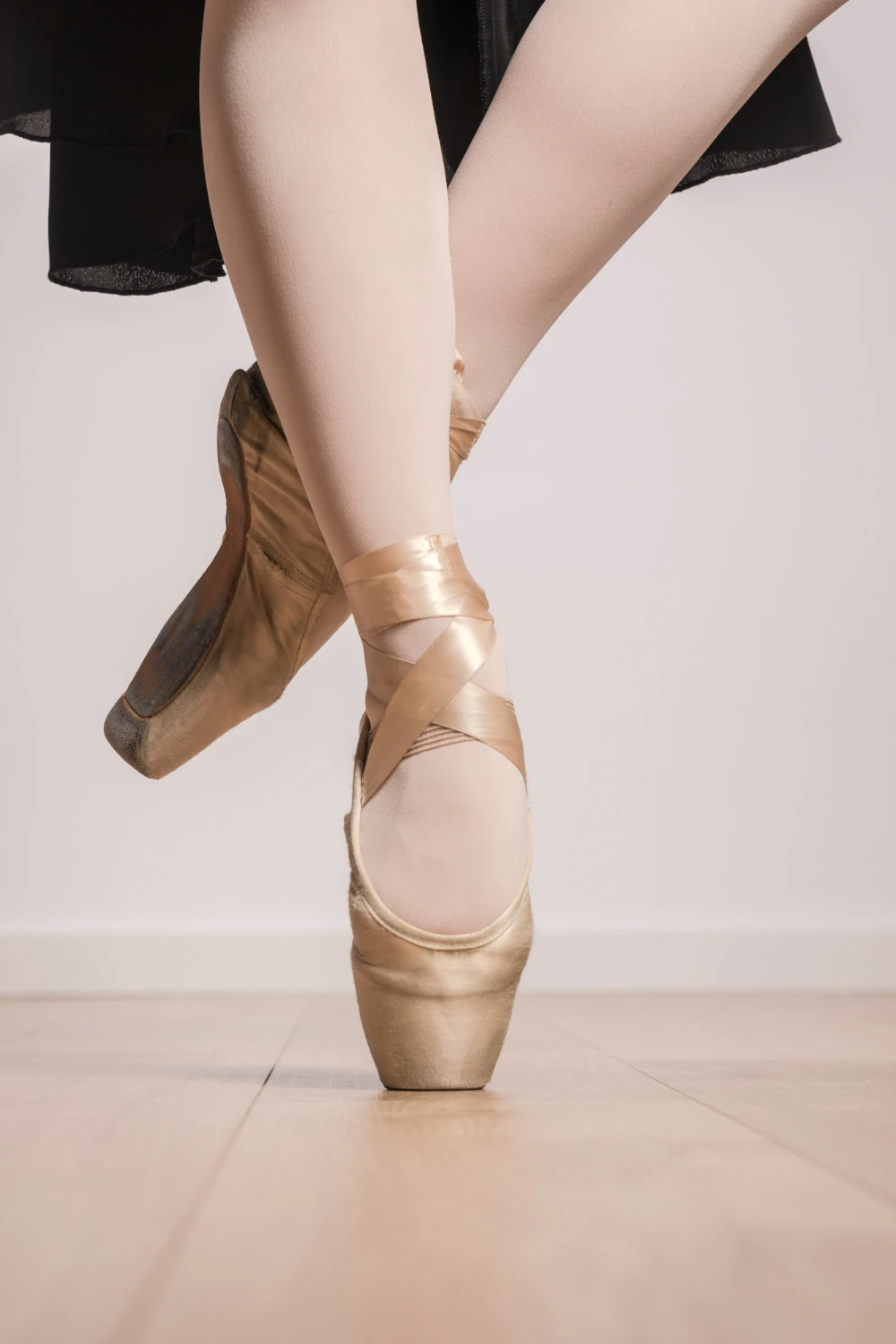

Dance shoes are essential performance tools. Whether you are training weekly or preparing for competitions, the condition of your footwear directly affects posture, balance, comfort, and safety. Many dancers continue wearing worn shoes longer than they should, often not realizing how much performance quality declines over time. Knowing when to replace your dance shoes helps protect your technique and prevents unnecessary strain on your body.
So how often should you replace your dance shoes? The answer depends on usage, shoe quality, and care habits. Below are the key signs that it may be time for a new pair.
Worn Down Suede Soles
The suede sole is one of the most important components of ballroom and Latin dance shoes. It provides the correct balance of grip and glide. Over time, regular turning and pivoting compress the suede, making it smooth and less responsive.
If brushing the sole no longer restores traction, the material may be too worn to function properly. Slippery soles can reduce control during turns and increase joint strain.
Frequent dancers wearing mens ballroom dance shoes should pay particular attention to sole condition, especially if they attend multiple practices or events each week.
Loss of Heel Stability
Heels play a critical role in posture and alignment. If the heel begins to wobble, loosen, or feel unstable, this is a clear sign that replacement may be necessary. Even minor heel instability can impact balance and confidence on the dance floor.
Heel tips also wear down over time. If the bottom layer becomes uneven or excessively thin, stability decreases. Replacing heel tips can extend shoe life temporarily, but if the heel structure itself feels compromised, it is time for a new pair.
Visible Material Breakdown
Leather, satin, and other dance shoe materials naturally experience wear. Small cosmetic scuffs are normal, especially for practice shoes. However, cracks in leather, stretched out straps, torn seams, or weakened closures indicate deeper structural fatigue.
Shoes should hold their shape securely around the foot. If the material appears permanently stretched and no longer supports your foot properly, performance will suffer.
High quality footwear such as that designed by AIDA Dance USA is built for durability, but even well constructed shoes have a lifespan when used regularly.
Decreased Comfort
Comfort changes are often the first subtle sign that replacement is needed. If shoes that once felt supportive now cause fatigue, pressure, or discomfort, the interior cushioning or structure may have degraded.
Comfy dance shoes should maintain consistent support over time. When dancers start feeling unexplained foot soreness or instability during basic routines, worn footwear may be the cause.
Shoes that no longer align with your foot shape or that cause irritation during longer sessions should not be ignored.
Loss of Shape and Structure
Dance shoes are designed with specific shaping to support posture and technique. As materials stretch and soften, the shoe may lose its original structure. This affects weight distribution and stability during movement.
If you notice your shoes folding excessively during steps or not holding the foot securely, structural integrity has likely diminished.
For male dancers who rely on strong lead technique in mens ballroom dance shoes, structural consistency is especially important for maintaining balance and connection.
Changes in Performance Quality
Sometimes the clearest sign that shoes need replacing is a decline in how you feel while dancing. If turns feel harder to control, posture feels slightly unstable, or balance seems inconsistent, worn footwear may be contributing.
Many dancers do not immediately associate performance issues with shoes. However, subtle degradation in support affects technique over time. Replacing worn shoes often restores confidence and fluidity almost immediately.
Frequency of Replacement Based on Usage
The lifespan of dance shoes varies depending on how often they are used:
- Dancers practicing once or twice per week may replace shoes every 8 to 12 months
- Dancers training multiple times per week may replace shoes every 6 months
- Competitive dancers may replace shoes even more frequently to maintain peak performance
Rotating between practice and performance shoes extends overall longevity. Using practice shoes for daily sessions preserves performance shoes for events.
Caring for Your Shoes to Extend Lifespan
While replacement is inevitable, proper care extends longevity. Only wear dance shoes indoors on appropriate surfaces. Brush suede soles regularly and allow shoes to air dry after use. Store them in breathable bags to prevent moisture buildup.
Well maintained shoes last longer and maintain performance consistency.
Do Not Wait Too Long
Many dancers wait until shoes are visibly damaged before replacing them. By that point, posture, balance, and comfort may already be compromised.
If shoes feel noticeably different during training, it is better to replace them proactively rather than risk injury or reduced performance quality.
Investing in new shoes supports progression and ensures your technique remains strong.
Conclusion
Dance shoes do not last forever, even when properly maintained. Worn soles, unstable heels, stretched materials, reduced comfort, and performance changes are all signs that it may be time for a new pair.
Whether you rely on mens ballroom dance shoes for strong lead movement or prioritize comfy dance shoes for long social events, replacing footwear at the right time protects both your comfort and technique. With thoughtful design and durable construction, AIDA Dance USA offers dance shoes built for performance, helping dancers move confidently until it is truly time for their next pair.










Sign in to leave a comment.