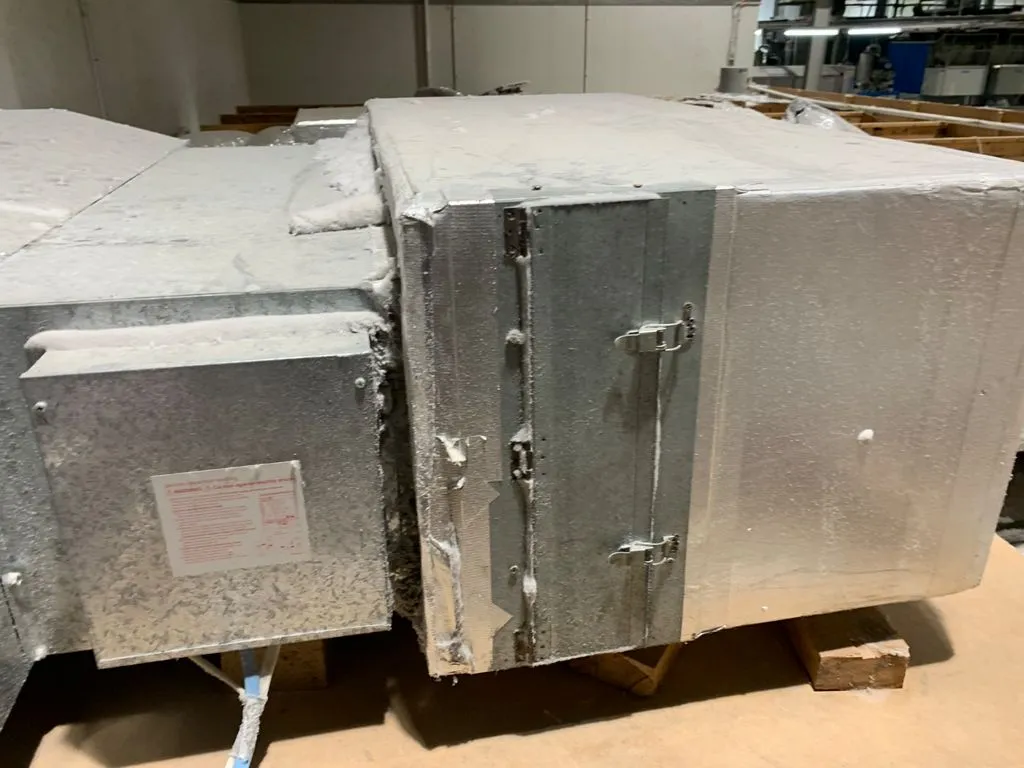
Air conditioners are essential for maintaining comfort in homes and businesses, especially in climates with hot summers and fluctuating seasonal temperatures. But one of the most common questions homeowners and property managers ask is: how often should you service your air conditioner?
The answer isn’t one-size-fits-all. It depends on factors like usage, environment, system type, and whether the unit is residential or commercial. In this guide, we’ll break down everything you need to know about air conditioning servicing frequency, why it matters, and how regular maintenance can save you money, improve efficiency, and extend the life of your system.
Why Air Conditioning Servicing Is So Important
Before diving into how often you should service your air conditioner, it’s important to understand why servicing matters in the first place.
Air conditioners work by continuously circulating air, removing heat, and filtering out dust and pollutants. Over time, internal components accumulate dirt, wear out, or lose efficiency. Without regular servicing, this can lead to:
- Reduced cooling performance
- Higher energy bills
- Poor indoor air quality
- Unexpected breakdowns
- Shortened system lifespan
Routine maintenance ensures your system runs efficiently, safely, and reliably throughout the year.
General Rule: How Often Should You Service Your Air Conditioner?
1. Residential Air Conditioners
For most homes, servicing your air conditioner at least once a year is recommended.
- Best time: Before summer begins
- Ideal for: Split systems, ducted systems, and reverse-cycle units
Annual air conditioner servicing ensures your system is ready for peak usage and helps identify issues before they become costly repairs.
2. Heavy Usage Homes
If your air conditioner runs frequently—especially during extreme weather—you should consider servicing it every 6 months.
This applies if:
- You use heating and cooling year-round (reverse-cycle systems)
- Your home experiences extreme heat or cold
- You rely heavily on air conditioning for comfort
3. Commercial Air Conditioning Systems
Commercial Air Conditioning systems require more frequent servicing due to higher usage and larger loads.
- Recommended frequency: Every 3–6 months
- Ideal for: Offices, retail stores, restaurants, and hospitality venues
Regular servicing ensures consistent comfort for customers and staff while preventing costly downtime.
4. High-Risk Environments
Some environments require even more frequent servicing due to increased strain on the system.
Examples include:
- Dusty areas or construction zones
- Homes with pets (hair and dander buildup)
- Properties near busy roads or pollution
- Commercial kitchens or industrial spaces
In these cases, quarterly servicing (every 3 months) may be necessary.
Signs Your Air Conditioner Needs Servicing Sooner
Even if you follow a regular schedule, your system may show signs that it needs attention earlier. Watch out for:
- Weak or uneven airflow
- Strange noises (rattling, buzzing, grinding)
- Unpleasant odors
- Higher-than-normal energy bills
- Water leaks or moisture buildup
- Poor cooling or heating performance
If you notice any of these issues, it’s best to book a professional inspection immediately.
What Happens During an Air Conditioning Service?
A professional air conditioning service involves a thorough inspection, cleaning, and testing of your system.
Typical Service Includes:
- Cleaning or replacing air filters
- Checking refrigerant levels
- Inspecting electrical components
- Cleaning coils and condensers
- Checking thermostat accuracy
- Inspecting ductwork (for ducted systems)
- Testing system performance
This process ensures your system operates efficiently and safely.
Benefits of Regular Air Conditioner Servicing
1. Improved Energy Efficiency
A clean and well-maintained system uses less energy to cool or heat your space. Dirty filters and clogged components force your unit to work harder, increasing energy consumption.
2. Lower Energy Bills
By improving efficiency, regular air conditioning servicing can significantly reduce your electricity bills over time.
3. Extended System Lifespan
Air conditioners are a significant investment. Routine maintenance helps prevent wear and tear, allowing your system to last longer—often well beyond its expected lifespan.
4. Better Air Quality
Air conditioners filter out dust, allergens, and pollutants. Regular servicing ensures filters and internal components remain clean, improving indoor air quality.
5. Fewer Breakdowns
Preventative maintenance helps identify small issues before they turn into major (and expensive) problems.
6. Consistent Comfort
A well-serviced evaporative cooling system delivers consistent temperatures and reliable performance, even during extreme weather.
Seasonal Servicing Guide
To get the most out of your air conditioner, follow a seasonal servicing approach:
Spring (Pre-Summer Preparation)
- Ideal time for annual servicing
- Ensure the system is ready for high cooling demand
Summer (Peak Usage)
- Monitor performance
- Clean filters regularly
Autumn
- Check the system after heavy summer use
- Prepare for heating mode if using reverse-cycle
Winter
- Service heating components if needed
- Ensure efficient operation during colder months
DIY Maintenance vs Professional Servicing
While professional servicing is essential, there are a few simple maintenance tasks you can do yourself:
DIY Tasks:
- Clean or replace filters every 1–3 months
- Keep outdoor units free from debris
- Ensure vents are not blocked
Professional Tasks:
- Electrical inspections
- Refrigerant checks
- Deep cleaning of internal components
- Repairs and diagnostics
DIY maintenance complements professional servicing but doesn’t replace it.
How Often Should Different Types of Air Conditioners Be Serviced?
Split System Air Conditioners
- Frequency: Once a year (or every 6 months with heavy use)
- Most common in residential properties
Ducted Air Conditioning Systems
- Frequency: Every 6–12 months
- Requires more thorough inspection due to the ductwork
Reverse Cycle Systems
- Frequency: Every 6 months
- Used for both heating and cooling, so more wear
Evaporative Cooling Systems
- Frequency: Once a year (before summer)
- Requires cleaning of pads and the water system
Cost of Air Conditioning Servicing
The cost of servicing varies depending on the system type and complexity. However, regular maintenance is far more affordable than emergency repairs or full system replacement.
Typical servicing costs are minimal compared to:
- Compressor replacements
- Refrigerant leaks
- Complete system failure
Think of servicing as an investment in long-term savings.
What Happens If You Don’t Service Your Air Conditioner?
Neglecting regular servicing can lead to serious issues, including:
- Reduced efficiency and higher energy bills
- Frequent breakdowns
- Poor air quality
- Increased repair costs
- Shortened lifespan
In worst-case scenarios, a neglected system may need complete replacement years earlier than expected.
Professional Tips for Maximising Your Air Conditioner’s Performance
- Schedule servicing before peak seasons
- Use programmable thermostats to reduce load
- Keep doors and windows closed during operation
- Insulate your home properly
- Upgrade older systems to energy-efficient models
Final Thoughts: How Often Is Enough?
To summarise:
- Standard homes: Once a year
- Heavy usage: Every 6 months
- Commercial systems: Every 3–6 months
- Dusty/high-use environments: Every 3 months
Regular servicing is not just about maintaining comfort—it’s about protecting your investment, improving energy efficiency, and ensuring a healthier indoor environment.
Need Professional Air Conditioning Service?
If your system is due for servicing, don’t wait until it breaks down. Regular maintenance keeps your air conditioner running smoothly year-round and helps you avoid costly repairs.
Whether you need a routine service, urgent repairs, or a full system check, professional technicians can ensure your system operates at peak performance—no matter the season.











Sign in to leave a comment.