

As we age, staying healthy isn’t just about treatment—it’s about prevention, monitoring, and consistency. According to the National Council on Aging, nearly 93% of seniors live with at least one chronic condition, and careful management can dramatically reduce hospital visits and support autonomy. Reliable primary care rooted in family medicine and internal medicine is vital to helping older adults stay active and independent as they age.
Let’s see how routine check-ins and coordinated care empower older adults to maintain quality of life.
The Power of Annual Wellness Visits
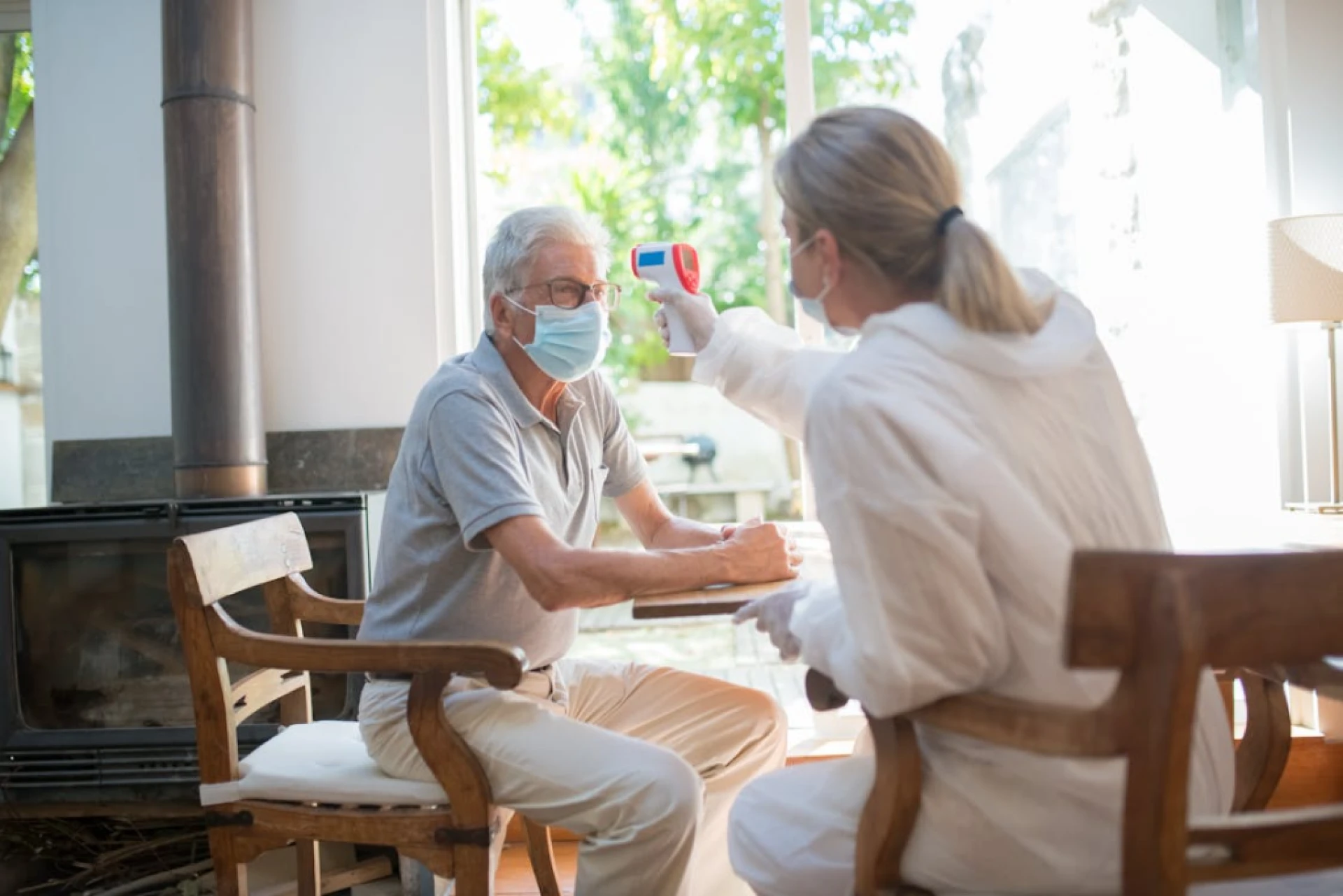
Yearly visits—often called annual wellness visits give seniors a dedicated time with a primary care doctor to review medications, assess mobility, and catch early health changes. These visits often include lab testing and screenings for cholesterol, thyroid function, and more.
Staying on schedule with vaccines for pneumonia or flu—covered under vaccinations and immunizations also shields older adults from potentially dangerous infections.
Managing Chronic Conditions with Early Action
One of the core benefits of long-term primary care is proactive chronic disease management. Providers work with patients to optimize outcomes for conditions like:
● Diabetes care with regular A1C checks and insulin adjustments
● Hypertension checks paired with specialized medication guidance
● COPD and heart disease management through internal medicine support
Consistent monitoring prevents complications and reduces the chance of sudden setbacks that can lead to the loss of independence.
Early Intervention Prevents Hospitalization
Hospitalizations can significantly impact a senior’s ability to live independently. According to the research, over 60% of hospital admissions are potentially avoidable through better outpatient care. Primary care helps reduce these risks by identifying early warning signs like fatigue, weight loss, dizziness, or shortness of breath—symptoms that may otherwise be missed.
Routine monitoring through routine physical exams and lab testing, and screenings can flag problems before they become emergencies. This lowers the likelihood of hospitalization and supports better at-home recovery when needed.

Maintaining Mental and Emotional Health
Physical independence isn’t the only factor in senior well-being. Regular contact with a primary care doctor helps monitor signs of depression, anxiety, or cognitive decline—common but often overlooked concerns in aging populations. A study found that older adults with consistent access to primary care had a lower rate of undiagnosed depression.
Through annual wellness visits and preventive care, providers can catch early signs of memory issues or emotional changes and recommend supportive services, therapy, or referrals. By supporting emotional and cognitive health, primary care helps seniors remain socially connected, safe, and independent longer.
Coordinated Health Planning and Home-Based Support
Seniors often have multiple providers—a primary care doctor, specialist visits, labs, and physical therapy. Coordination is a huge part of primary care services. That means better communication between practitioners, fewer duplicated tests, and more insight into changing needs.
For example, falls screening, cognitive assessment, and imaging referrals are seamlessly arranged. Access to walk-in primary care clinics makes urgent needs easier to address without emergency rooms. This flexibility is especially helpful when mobility or transportation is a concern.
Building Trust Over Time
Trust builds with time. Seeing the same provider—such as a primary care doctor in Columbus—helps older adults feel heard and respected. They’re more likely to share new symptoms, address mental health concerns, or discuss declining mobility.
With a constructive clinician-patient relationship, we're less likely to miss subtle shifts in ability, mood, or health behavior. That ongoing bond makes routine physical exams more effective and meaningful.
Aging with Dignity and Independence
Good health systems don’t just treat—they sustain. When seniors receive regular, coordinated care from primary care clinics in Ohio, they gain tools for autonomy: proactive screening, smart chronic disease management, and preventive check-ins. Ohio Primary Care provides comprehensive support and services—from family medicine to diabetes care services in Ohio, and from vaccine updates to specialist referrals.
Ready to support your loved one’s independence? Contact us now to book an appointment with a trusted provider.














Sign in to leave a comment.