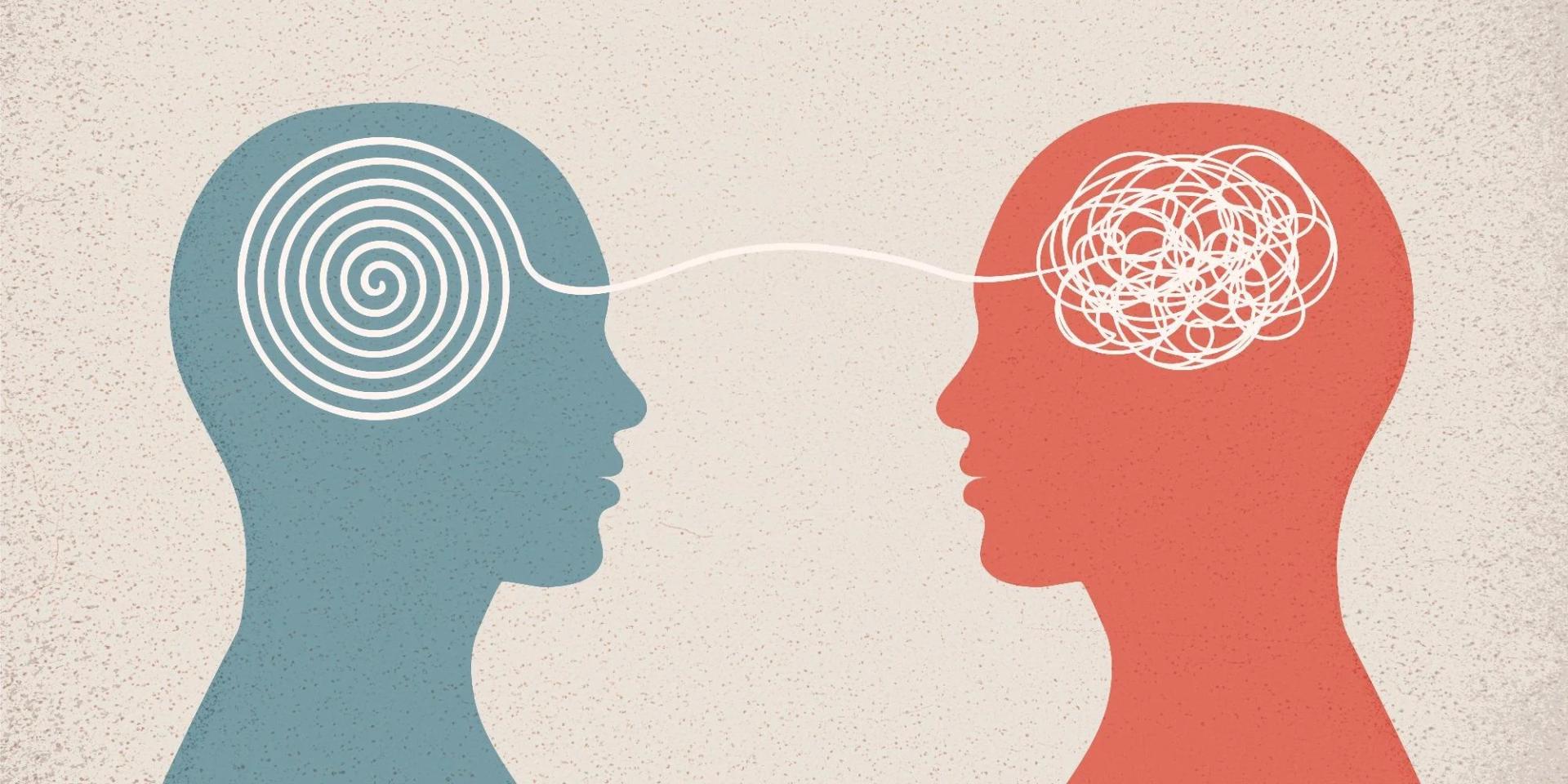

If you’d told me a few years ago that I would be advocating for psychotherapy, I would’ve been skeptical. I had always thought of therapy as something for people in crisis, not for someone like me. But life has a funny way of surprising us, and I found that psychotherapy has not only helped me manage challenges but also unlocked a healthier mindset.
I’m here to share my personal journey with psychotherapy and how it can be a powerful tool for anyone looking to improve their mental well-being. If you’ve been hesitant about therapy or are unsure about whether it’s right for you, I want to show you why taking that first step could change everything.
What Is Psychotherapy?
At its core, psychotherapy (often called talk therapy) is a type of treatment that helps people work through emotional, psychological, or behavioral challenges. It involves talking with a trained therapist to explore thoughts, feelings, and behaviors in order to make sense of them and create positive change.
I’ll admit, when I first heard about psychotherapy, I thought it was mainly about talking through problems until they magically disappeared. But it’s far more than that. Therapy gives you a safe space to express your emotions, gain insights into your struggles, and build healthier coping strategies. It’s an active process that can help you move forward in life, no matter what challenges you’re facing.
How Psychotherapy Changed My Perspective
When I first decided to try psychotherapy, I was dealing with a lot of stress, anxiety, and feelings of being overwhelmed by life. I’d been managing everything on my own, but it felt like I was constantly running on empty. I knew something had to change, so I decided to take the plunge and reach out to a therapist at Pats Consultants.
The first session was an eye-opener. I walked into the room feeling nervous and unsure, but I left feeling a sense of relief. The therapist didn’t just listen to me — they guided me to understand my emotions, my patterns of thinking, and the ways in which I could change those patterns to improve my life.
It wasn’t magic, but it was the beginning of something transformative. Over time, I began to notice positive changes: less stress, a better understanding of my emotions, and the ability to handle challenges with more resilience.
The Benefits of Psychotherapy
There’s a reason psychotherapy is so widely used — it offers a wealth of benefits that go beyond just talking about your problems. Here are some of the most significant changes I experienced after starting therapy:
1. Better Emotional Regulation
Before therapy, I often found myself overwhelmed by emotions. Stress, anger, or sadness would sometimes spiral out of control. Through psychotherapy, I learned techniques for emotional regulation, such as mindfulness and grounding exercises. These strategies helped me stay calm and focused, even during difficult moments.
2. Improved Self-Awareness
One of the most powerful aspects of psychotherapy is the opportunity to better understand yourself. My therapist at Pats Consultants helped me dig deep into my past experiences and how they shaped my thoughts and behaviors. By gaining this insight, I was able to break free from unhealthy patterns and develop new, healthier ways of thinking.
3. Stress Management
Like many people, I used to struggle with stress. It often felt like a constant weight on my shoulders. But through therapy, I developed effective strategies to manage stress, including time management techniques, self-care practices, and healthier ways of thinking about stressors. It was a game-changer for my overall well-being.
4. Stronger Relationships
Therapy doesn’t just help you with your relationship with yourself — it also helps you build better relationships with others. I learned how to communicate more effectively, set healthy boundaries, and manage conflicts in a constructive way. As a result, my relationships with family, friends, and coworkers improved significantly.
Common Misconceptions About Psychotherapy
Before I started psychotherapy, I had several misconceptions that almost kept me from seeking help. Let me clear up a few myths about therapy that you might have heard:
- “Psychotherapy is only for people with serious mental health issues.”
- This is a common misconception, but the truth is, psychotherapy can benefit anyone — not just people with severe mental health conditions. Whether you're dealing with stress, relationship issues, or simply want to improve your mental well-being, therapy can provide support and guidance.
- “Therapy is just about talking. It doesn’t help anything.”
- While talking is a big part of therapy, it’s not the only thing. Psychotherapy is a collaborative process in which you and your therapist work together to develop strategies for managing emotions, improving mental health, and making positive changes in your life. It’s a hands-on, practical approach that goes beyond just talking about problems.
- “Therapy takes forever to work.”
- Many people believe that therapy is a long, drawn-out process, but that’s not always the case. While some challenges may take time to work through, therapy often provides immediate relief and tools to help you manage your struggles. Some people find that just a few sessions can make a big difference in their mental health.
The Different Types of Psychotherapy
Not all therapies are the same, and that’s one of the great things about psychotherapy — there are different approaches that can be tailored to fit your needs. Here are some common types of therapy:
- Cognitive Behavioral Therapy (CBT): This is one of the most widely used forms of therapy and focuses on identifying and changing negative thought patterns that contribute to emotional distress. It’s a practical, solution-focused approach.
- Dialectical Behavior Therapy (DBT): Similar to CBT, DBT helps people manage intense emotions and build healthier relationships. It’s often used to treat borderline personality disorder but can be helpful for anyone struggling with emotional regulation.
- Psychodynamic Therapy: This type of therapy focuses on exploring the unconscious mind and how past experiences influence current behavior. It’s a deeper form of therapy that can be helpful for understanding long-term emotional struggles.
- Humanistic Therapy: This approach is centered on the idea that we all have the capacity for personal growth and self-actualization. It focuses on developing a stronger sense of self-worth and living authentically.
Each type of therapy has its strengths, and a therapist at Pats Consultants can help you determine which approach will work best for you.
Why You Should Consider Psychotherapy
If you’re on the fence about whether psychotherapy could be right for you, here are some compelling reasons to give it a try:
- It Provides a Safe Space: Therapy offers a confidential, nonjudgmental environment where you can be yourself, express your feelings, and work through difficult issues without fear of criticism.
- It’s an Investment in Your Mental Health: Just like you would see a doctor for physical health issues, therapy is an important investment in your mental well-being. It can help you work through stress, anxiety, depression, and other emotional challenges.
- It Helps You Build Healthy Coping Skills: Life is full of challenges, but therapy equips you with tools to cope effectively. Whether you’re dealing with work stress, family issues, or personal struggles, therapy can help you build resilience.
- It Can Improve All Areas of Your Life: Psychotherapy isn’t just about addressing emotional problems — it can help you improve your relationships, boost your confidence, and feel more in control of your life.
Taking the First Step Toward Psychotherapy
If you’re ready to begin your own journey with psychotherapy, the first step is to reach out for help. It can be intimidating, but I promise that it’s worth it. At Pats Consultants, the team is dedicated to helping you work through your challenges, whatever they may be. Therapy doesn’t have to be a long, drawn-out process — sometimes, just one session can give you the tools you need to make lasting change.
Don’t wait until you’re overwhelmed or at your breaking point. Take that first step today and start building a healthier, happier mindset.
Final Thoughts
For me, psychotherapy has been an incredibly valuable tool for improving my mental health and overall well-being. It’s not a quick fix, but it has provided me with a roadmap to better understand myself and develop healthier coping mechanisms. Whether you're struggling with anxiety, stress, depression, or just want to improve your emotional well-being, psychotherapy can be the key to unlocking a more balanced life.
Take the first step today. Reach out to Pats Consultants and see how psychotherapy can help you, too.








Sign in to leave a comment.