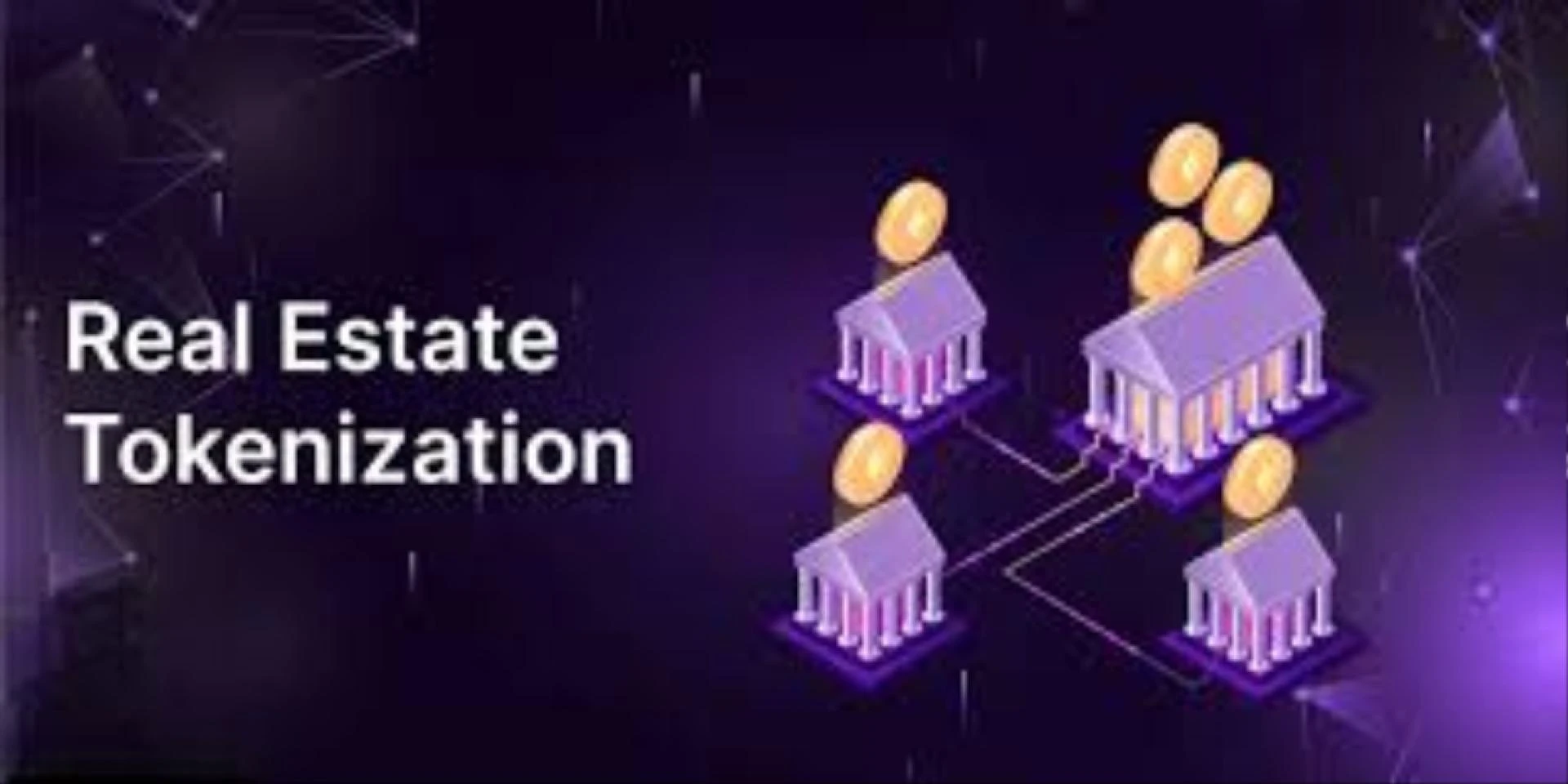

In 2026, the United Arab Emirates (UAE) stands at the forefront of a financial revolution reshaping how property ownership and investment work. Real estate tokenization, a concept once limited to experimental pilots, has now become a thriving reality across Dubai, Abu Dhabi, and other major emirates. With its forward-thinking regulations, strong investor confidence, and digitally savvy population, the UAE is leading the world in transforming physical real estate into blockchain-based digital assets.
The process of tokenization allows real estate assets to be divided into smaller digital tokens, enabling fractional ownership and liquidity that were previously unimaginable in the traditional property market. For investors, it means broader access, transparency, and flexibility; for developers, it opens new funding and liquidity avenues. This blog explores how tokenization is revolutionizing the UAE’s real estate ecosystem in 2026 from the regulatory framework to technological innovation and its profound economic implications.
Understanding Real Estate Tokenization
Real estate tokenization is the digital representation of a property’s value through blockchain-based tokens. Each token signifies ownership or a share of ownership in a property, which could include a residential building, a commercial complex, or even a portfolio of assets. These tokens can be bought, sold, or traded just like stocks, allowing investors to access real estate markets without large upfront costs.
Unlike traditional property investment that requires extensive paperwork, intermediaries, and high capital, tokenization simplifies the process. Smart contracts handle ownership records, income distribution, and compliance automatically. This transparency minimizes fraud and ensures investors can trace every transaction on the blockchain. As a result, tokenization blends the physical and digital worlds, transforming real estate into a more liquid, transparent, and inclusive asset class.
Why the UAE Is Leading the Tokenization Revolution
The UAE’s rapid adoption of tokenized real estate is no coincidence. The country’s leadership has consistently emphasized technological innovation and financial diversification. Dubai’s ambition to become the world’s first fully digital city aligns perfectly with blockchain integration in real estate. Moreover, the nation’s business-friendly policies, zero income tax, and openness to foreign investment make it an attractive destination for digital asset innovation.
Government initiatives such as Dubai’s Virtual Assets Regulatory Authority (VARA) and the Dubai Land Department’s blockchain integration programs have created a favorable environment for tokenization. By bridging real estate law with blockchain technology, the UAE ensures that property transactions are both legally secure and technologically advanced. This clear regulatory direction gives developers and investors confidence to participate in the growing tokenized market.
Regulatory Framework Supporting Tokenization in 2026
One of the biggest reasons for the UAE’s success in tokenized real estate is its well-defined regulatory ecosystem. Agencies like VARA, the Dubai Financial Services Authority (DFSA), and the Abu Dhabi Global Market (ADGM) have collaborated to create robust rules that balance innovation with investor protection. By 2026, these frameworks clearly define how property-backed tokens are issued, traded, and regulated.
Tokenized assets in the UAE must comply with both real estate laws and securities regulations, ensuring that ownership rights remain enforceable. Smart contract audits and compliance with anti-money laundering (AML) and Know Your Customer (KYC) standards are mandatory. These measures have established trust and accountability, encouraging institutional investors to participate confidently in the UAE’s tokenized property market.
The Role of Government and Private Partnerships
Government participation has been instrumental in driving the UAE’s tokenization progress. The Dubai Land Department’s initiatives to digitize property records through blockchain have streamlined verification processes, making title transfers faster and more secure. Collaborative efforts between government authorities and private blockchain companies have produced regulated platforms for fractional property investment.
Developers, property management firms, and fintech startups have worked alongside government agencies to establish tokenization sandboxes that allow experimentation within a controlled legal framework. These partnerships have not only fostered innovation but also made the UAE a global model for integrating blockchain into traditional real estate systems.
Tokenization Pilots and Landmark Projects
The UAE’s journey toward tokenized property gained momentum through several landmark projects. Prominent developers and blockchain firms have launched successful pilot programs that demonstrated the efficiency and potential of fractional property ownership. Luxury residential units, commercial spaces, and hospitality assets were among the first to be tokenized, opening the door for global investors to participate in Dubai’s thriving real estate market.
These early projects set benchmarks for transparency and operational excellence. By 2026, tokenized property listings have become mainstream on multiple regulated platforms, allowing investors to diversify portfolios easily. Developers now view tokenization as a reliable fundraising method that complements traditional financing models.
Democratizing Real Estate Investment
Traditionally, high property prices in cities like Dubai and Abu Dhabi excluded small investors from participating in the real estate market. Tokenization has completely changed that narrative. Through fractional ownership, even small investors can buy shares of premium real estate for as little as a few hundred dollars.
This inclusivity is expanding the investor base and attracting a younger demographic interested in digital assets. Tokenization eliminates geographical barriers, allowing international investors to buy into UAE real estate projects seamlessly. In a region where real estate has long been a symbol of wealth and stability, tokenization is transforming it into an accessible and liquid investment opportunity for all.
Enhancing Liquidity and Secondary Market Trading
One of the key advantages of real estate tokenization is liquidity. Traditionally, real estate investments are illiquid — selling a property often takes months. However, tokenized assets can be traded instantly on secondary markets. This development has transformed real estate into a dynamic asset class similar to stocks or cryptocurrencies.
In 2026, the UAE hosts several regulated digital asset exchanges where tokenized property shares can be traded securely. This secondary market activity has created continuous price discovery, enabling real-time valuation of properties. Investors can easily enter or exit positions, improving overall market efficiency. The presence of market makers and institutional participants ensures stability and liquidity in these exchanges.
Transforming How Developers Raise Capital
Tokenization has become a game-changer for property developers seeking innovative financing solutions. Instead of relying solely on traditional bank loans or off-plan sales, developers can issue tokens backed by property assets to raise funds from a global pool of investors. This approach diversifies their funding sources and accelerates project timelines.
Moreover, tokenization allows developers to pre-sell portions of a project to retail and institutional investors, generating liquidity before project completion. Smart contracts can automate dividend distributions from rental income or sales profits, providing transparent returns to token holders. As a result, tokenization has evolved into a strategic financial tool for real estate developers in the UAE.
Expanding Institutional and International Participation
By 2026, institutional investors such as real estate funds, family offices, and sovereign wealth funds have entered the UAE’s tokenized market. Regulatory clarity, coupled with insured digital custody solutions, has made large-scale participation feasible. These entities view tokenization as a way to diversify portfolios while maintaining exposure to one of the most robust real estate markets in the world.
Internationally, the UAE’s open policies and advanced infrastructure have positioned it as a gateway for cross-border real estate investment. Tokenization simplifies foreign ownership, enabling global investors to buy and trade UAE property shares without navigating complex legal frameworks or currency restrictions. This increased capital inflow strengthens the UAE’s economy and real estate market stability.
Use Cases Driving Tokenization in 2026
Real estate tokenization in the UAE has expanded beyond residential projects. In 2026, various sectors leverage blockchain technology for tokenization, including:
- Commercial Properties: Office buildings, shopping centers, and logistics hubs are tokenized for fractional ownership.
- Hospitality Assets: Hotels and resorts distribute revenue-based tokens linked to occupancy rates and profits.
- Mixed-use Developments: Large projects offering residential, retail, and entertainment spaces issue multi-asset tokens.
- Real Estate Funds: Tokenized REIT-like structures enable investors to access diversified property portfolios.
Each use case highlights tokenization’s versatility and its ability to modernize different aspects of real estate financing and ownership.
The Technology Powering Tokenized Real Estate
Blockchain technology lies at the heart of tokenization. Smart contracts automatically manage ownership, rent distribution, and compliance, eliminating intermediaries. In the UAE, hybrid blockchain frameworks combining public and permissioned systems are preferred for balancing transparency and privacy.
Secure digital wallets and custodial services ensure the safe storage of property tokens. Integration with oracles allows real-time updates on property valuations, rental income, and maintenance records. Furthermore, blockchain-based registries link token ownership with land department databases, guaranteeing that digital tokens correspond to legally recognized titles. This technological infrastructure enhances both security and operational efficiency.
Legal and Compliance Challenges
Despite remarkable progress, tokenization faces several legal challenges. The most significant is the alignment between on-chain token ownership and off-chain legal rights. Ensuring that token holders have enforceable claims over physical assets requires robust legal frameworks.
The UAE’s regulators have addressed this by mandating the use of Special Purpose Vehicles (SPVs) and regulated custodians to hold underlying property titles. Legal contracts clearly define investor rights, transfer procedures, and dispute resolution mechanisms. Continuous legal innovation ensures that as technology evolves, tokenized real estate remains compliant with existing property and securities laws.
The Economic Impact on the UAE Market
Real estate tokenization has had a profound economic impact on the UAE. The market has witnessed increased capital inflows, diversified investment portfolios, and enhanced property liquidity. Developers benefit from faster project financing, while investors enjoy more accessible entry points.
Additionally, tokenization supports the UAE’s broader economic diversification goals. It strengthens the country’s position as a global fintech and real estate innovation hub, attracting foreign businesses and blockchain startups. The synergy between real estate and blockchain is also generating employment opportunities in software development, compliance, legal services, and financial management.
The Role of Custody, Insurance, and Auditing
As institutional interest grows, so does the need for secure digital custody solutions. By 2026, multiple regulated custodians operate in the UAE, offering insured key management and compliance reporting. These services provide the trust and safety necessary for large-scale participation.
Insurance products covering smart contract failures and custodial risks are also becoming standard. Additionally, auditing firms now verify blockchain transactions to ensure transparency and accountability. This professional ecosystem reinforces investor confidence and brings tokenized assets in line with global financial standards.
The Influence of Smart Cities and Digital Transformation
The UAE’s smart city vision aligns perfectly with real estate tokenization. Initiatives such as Dubai Smart City and Abu Dhabi Vision 2030 integrate blockchain, IoT, and AI to create intelligent urban environments. Tokenized real estate fits seamlessly within this ecosystem, supporting automated rent payments, real-time property management, and transparent municipal services.
Smart contracts can handle lease agreements, maintenance schedules, and energy usage tracking without manual intervention. Tokenization, therefore, doesn’t just digitize ownership it modernizes how cities function, interact, and evolve in a connected, data-driven environment.
Potential Risks and Mitigation Strategies
While tokenization brings many benefits, it also introduces risks that must be managed carefully. These include cybersecurity threats, regulatory uncertainty in other jurisdictions, and speculative market behavior. To mitigate such risks, developers and investors are focusing on due diligence, smart contract audits, and choosing regulated trading platforms.
Moreover, continuous education and investor awareness programs help participants understand both the opportunities and limitations of tokenized real estate. Responsible adoption ensures that tokenization remains sustainable and contributes to long-term financial stability in the UAE.
Investor Confidence and Market Perception
In 2026, investor sentiment toward tokenized real estate in the UAE is overwhelmingly positive. The combination of regulatory support, technological security, and consistent returns has created a trustworthy investment environment. Tokenized real estate is no longer seen as a futuristic experiment but as a legitimate and profitable asset class.
The transparency of blockchain transactions adds further assurance. Investors can track property performance, rental income, and transaction history in real time. This level of visibility has transformed market behavior, encouraging data-driven investment decisions and reducing fraud.
The Future Outlook for 2027 and Beyond
Looking ahead, real estate tokenization in the UAE is expected to expand exponentially. Future trends include full integration with the metaverse, where virtual representations of tokenized properties will allow immersive viewing and trading experiences. Cross-border interoperability between blockchain networks will also enable global investors to access tokenized properties with ease.
Additionally, tokenized real estate funds and derivatives are likely to emerge, providing new ways for investors to hedge risks and diversify holdings. As blockchain becomes more energy-efficient and scalable, the UAE’s model could inspire other nations to adopt similar frameworks.
How Tokenization Supports National Vision 2031
The UAE’s long-term vision focuses on economic diversification, digital transformation, and global competitiveness. Real estate tokenization aligns seamlessly with these goals. It enhances capital efficiency, attracts international investments, and strengthens the fintech ecosystem. By bridging physical assets with blockchain innovation, the UAE is solidifying its reputation as a technology-driven economic powerhouse.
Furthermore, tokenization supports sustainability goals by reducing paperwork, streamlining transactions, and improving asset utilization. As the nation moves toward a smart, sustainable economy, tokenized real estate will play a central role in shaping the next decade of growth.
Conclusion
Real estate tokenization is revolutionizing how the UAE approaches property ownership, investment, and development. What was once a complex, capital-heavy, and illiquid market has become inclusive, transparent, and efficient. Through proactive regulation, technological innovation, and government–private sector collaboration, the UAE has positioned itself as a global leader in tokenized real estate.
As 2026 unfolds, tokenization is not just an emerging trend it’s the new foundation of the UAE’s real estate economy. From fractional ownership and instant liquidity to smart contracts and secure custody, every layer of the property market is being redefined. For investors, developers, and policymakers alike, the UAE’s success story offers a clear message: the future of real estate is digital, decentralized, and already here.












Sign in to leave a comment.