 As experts in the field of oral health, we understand the importance of proactive measures in preventing and detecting oral cancer early. In this document, we will delve into the significance of regular oral self-examinations, empowering you with the knowledge and tools to take charge of your oral health.
Understanding Oral Cancer Risk
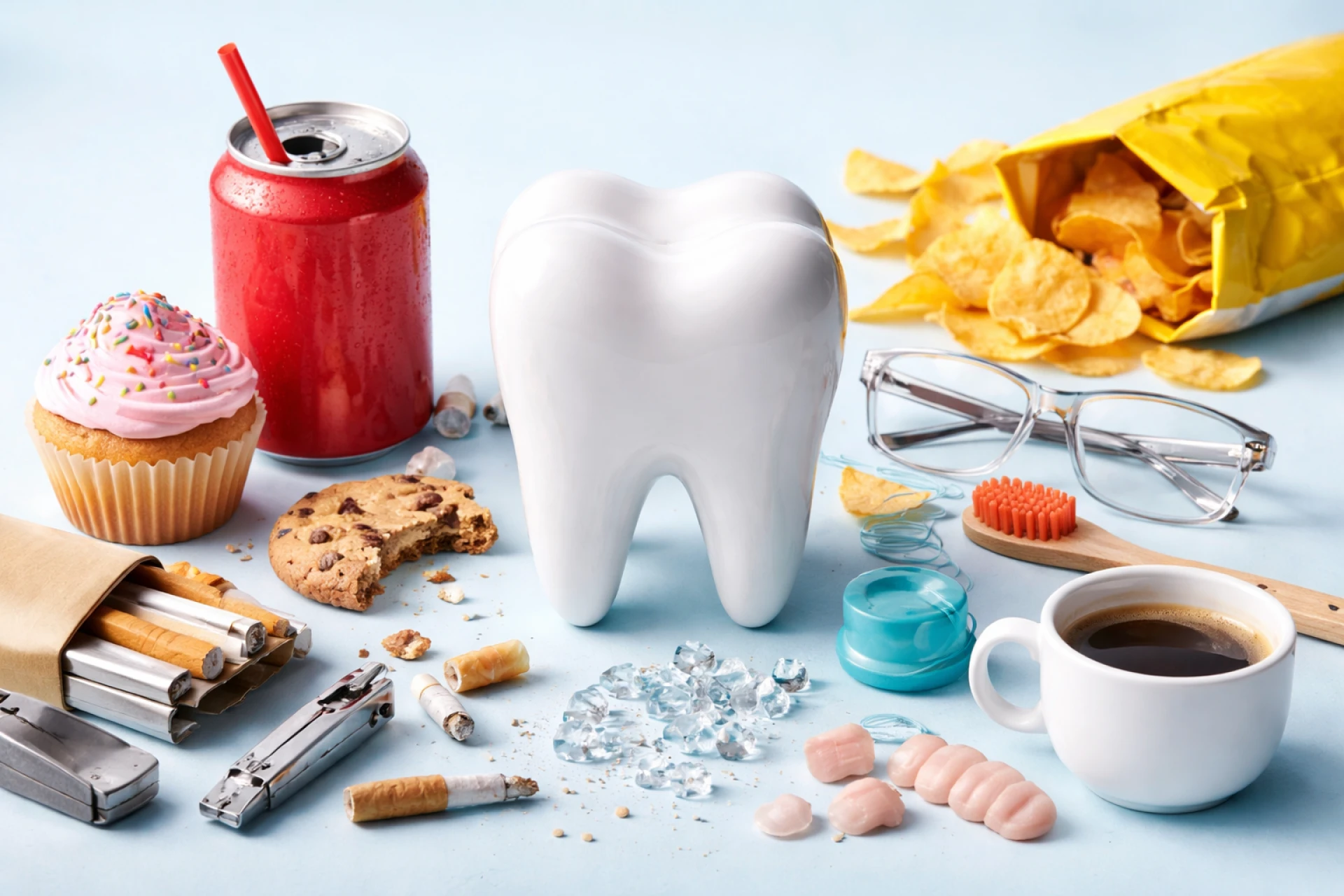
Before we explore the role of regular self-checks, let us first understand what oral cancer is and the factors that contribute to its risk. Oral cancer refers to abnormal cell growth in the oral cavity, including the lips, tongue, cheeks, and throat. Several factors can increase the risk of developing oral cancer, including tobacco use, excessive alcohol consumption, prolonged sun exposure, and certain viral infections, such as human papillomavirus (HPV).
The Power of Regular Self-Checks
Regular self-checks play a crucial role in identifying early signs of oral cancer risk. By performing self-examinations at home on a consistent basis, you become familiar with the normal appearance and feel of your oral tissues. This familiarity allows you to detect any changes or abnormalities promptly, which may indicate a potential risk of oral cancer.
Conducting a Self-Examination
Let us walk through the steps of conducting a self-examination to identify oral cancer risk
- Find a well-lit area and use a mirror to examine your oral cavity.
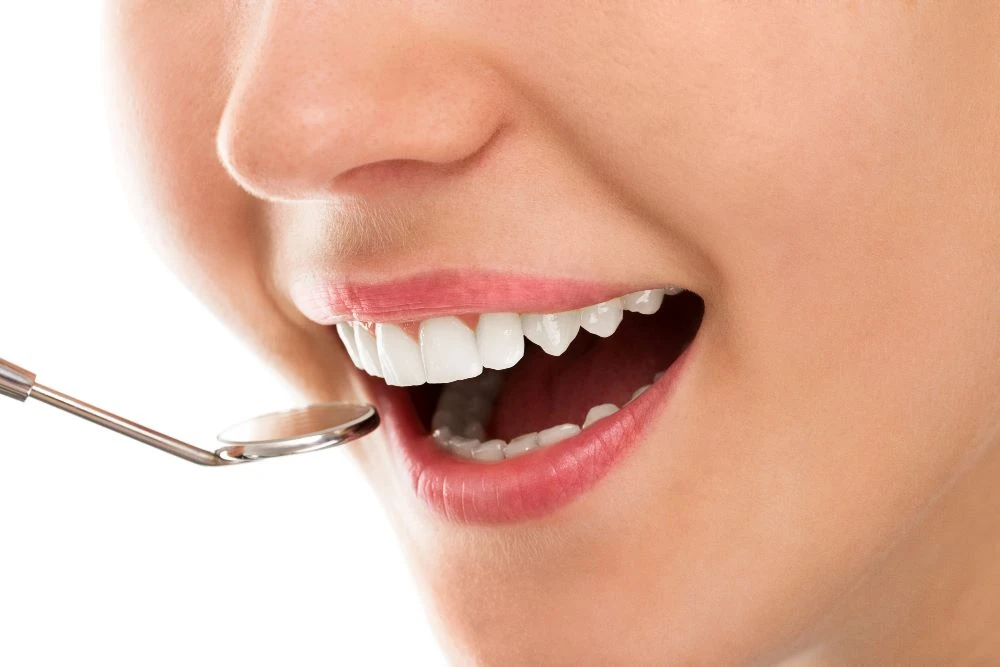
- Check the inside of your mouth, including your lips, gums, cheeks, tongue, and the roof and floor of your mouth, for any unusual lumps, bumps, sores, or discolorations.
- Feel your neck and throat for any enlarged lymph nodes or lumps.
- Pay attention to any persistent symptoms, such as soreness, difficulty swallowing, or changes in voice.
When to Seek Professional Evaluation
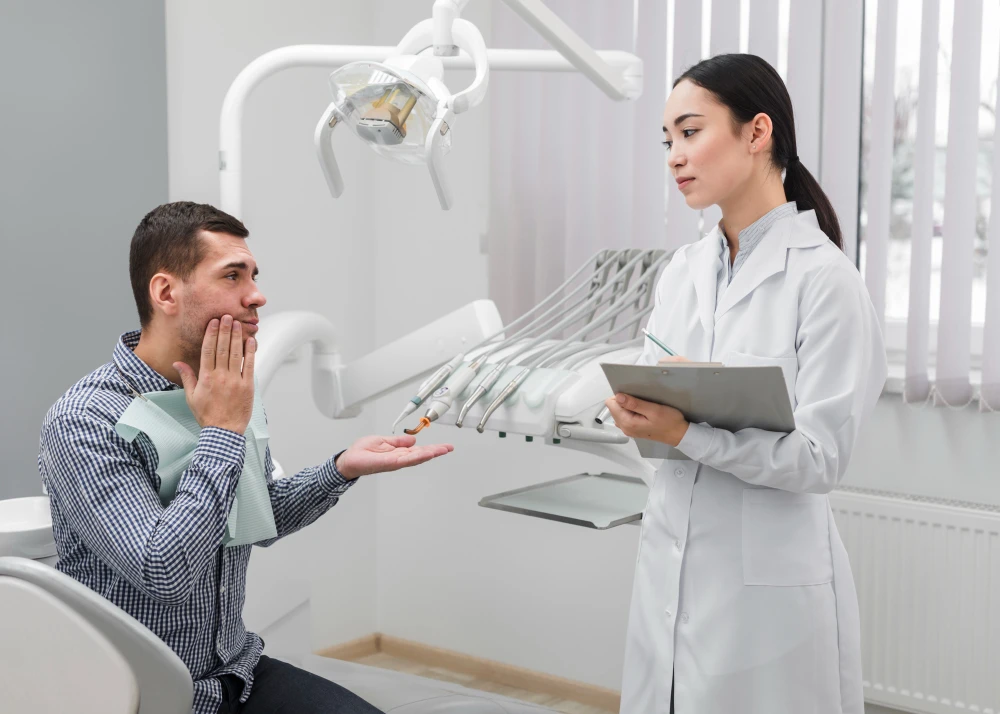
If you notice any concerning changes or abnormalities during your self-checks, it is essential to seek professional evaluation from a dentist or dental clinic. Early detection of oral cancer greatly improves the chances of successful treatment and recovery.
Regular self-checks are a powerful tool in identifying oral cancer risk early, allowing for timely intervention and improved outcomes. By incorporating self-examinations into your routine, you take an active role in preserving your oral health and well-being.











Sign in to leave a comment.