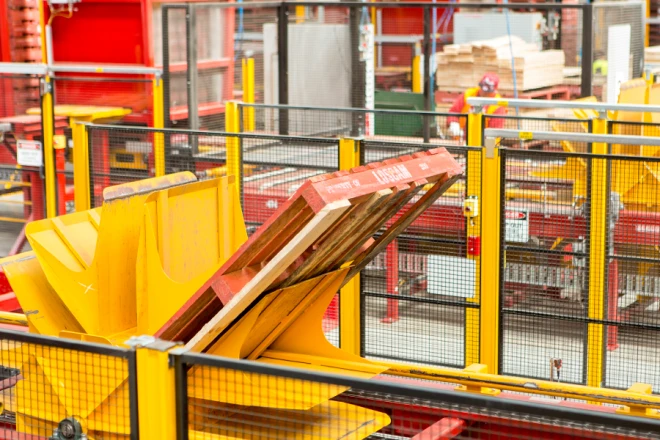

Loss accrues in the margins — on the damaged goods that fall through, the unstable loads that shift, the avoidable disputes that tie up capital and corrode trust. At the centre of this risk is packaging. Packaging is a bellwether because when it fails, every function downstream pays the price. Proper returnable packaging solutions move up the opportunity curve by serving as a risk-mitigation mechanism at the point of their physical introduction.
Why packaging is a primary risk variable in modern supply chains
Packaging decisions are often considered secondary, but they are closely related to the safety of in-transit products, warehouse efficiency, and customer satisfaction. Insufficient or inconsistent packaging leads to higher levels of handling errors, load shifts, and product exposure during transit. The compounded effect of such incidents across multiple touchpoints is especially high in long or multi-leg supply chains. Exposure to such risk is not a result of teams being out of control, but because the packaging is causing control to vary.
Durability that stops transit damage in its tracks
Returnable packaging is designed to withstand high use over time. In transit, unlike cardboard, wood or other single-use packaging, returnable containers, crates, and pallets will not crush, buckle, or collapse in ways that impact what they are carrying. This stability starts with the choice to buy or lease reinforced, high-quality returnable packaging rather than spend margin on disposable packaging expenses.
Effectively packaged products can sustain their shape for hundreds of cycles of shipping and stacking, offering a consistent level of protection on loading docks, in warehouse storage, and along the transport chain. Vendors, freight forwarders, and warehouse teams can expect products to arrive undamaged more often when there's no concern of crushing loads.
Fewer losses from unstable loads and warehouse accidents
Standardisation is another keyway that returnable packaging helps reduce supply chain risk. Standard size, weight, and stacking characteristics ensure loads are built uniformly every time. Containers, boxes and trays have precise dimensions, weight tolerances and securing points for everyone in an ecosystem to use and reuse.
Substandard packaging or unreliable supplies of returnable packaging create greater load shifts during transit, nonuniform weight distribution at lifting points and more forklift tipping accidents. Stable loads move faster and farther with fewer incidents, which is especially important in manual warehouse settings or where automation is used extensively without interruption.
Fewer insurance claims and commercial disputes with customers
Shipping damage rarely ends with loss of products. Every damaged load is also an insurance claim, a freight damage dispute with customers, and likely an internal inquiry into what went wrong, by whom, and where responsibility for the loss or delay lies. These additional processes require time, documentation, inspections, and negotiations that slow down operations and tax partnerships.
A significant decrease in lost or damaged shipments during transit or warehousing is the benefit that durable, returnable packaging delivers. If these events are already very few and far between, the number of claims and disputes falls even further, which, over the long term, also restrains insurance premiums and administrative overheads.
Better accountability with visibility into assets
Returnable protection assets are more likely to be integrated into a tracking and tracing solution (barcode, RFID tag, internal software, etc.), making it easy to know where packages are and which companies or individuals handled them at each touchpoint. Having clear visibility into these assets gives logistics and customer service teams immediate data when something goes wrong rather than just assumptions.
Accountability is clear when returns are tracked. Supplier? Carrier? Customer? Disputes can then be resolved faster, relationships stay on track, and less time is spent on exceptions. Returnable packaging systems also reduce human and operational safety risks. Weak boxes, trays, and other disposable materials can splinter, tear, or collapse on handlers, increasing the risk of worker injury.
Returnable packing is usually designed for safety, with more predictable edge protection, better handling, and lighter but more uniform surfaces. Safer, easier handling means less downtime from accidents, which is especially critical during peak demand periods.
Lower risk from environmental exposure and external delays
Extended exposure to the elements is a final risk. Rain, heat, cold, and humidity all degrade cardboard and wood much faster than more resilient plastic, steel, or treated wood options. Containers, crates, and trays intended for use within a closed-loop ecosystem must withstand compressive forces and repeated cleaning with harsh chemicals.
Protection from these elements is essential as unexpected delays or congestion can add significant time in warehouse storage, loading docks, and transit between nodes. Packaging that can withstand weather, congestion, demand shocks, or unforeseen holdups will also help the goods inside maintain quality and service levels until they reach the end customer.
Many organisations with closed-loop supply chains for returnable systems also employ pallet pooling. It is a natural outcome, as in both cases, the goal is a supply chain where assets circulate, risk is contained and the value of the product or system is delivered to its final destination without loss.













Sign in to leave a comment.