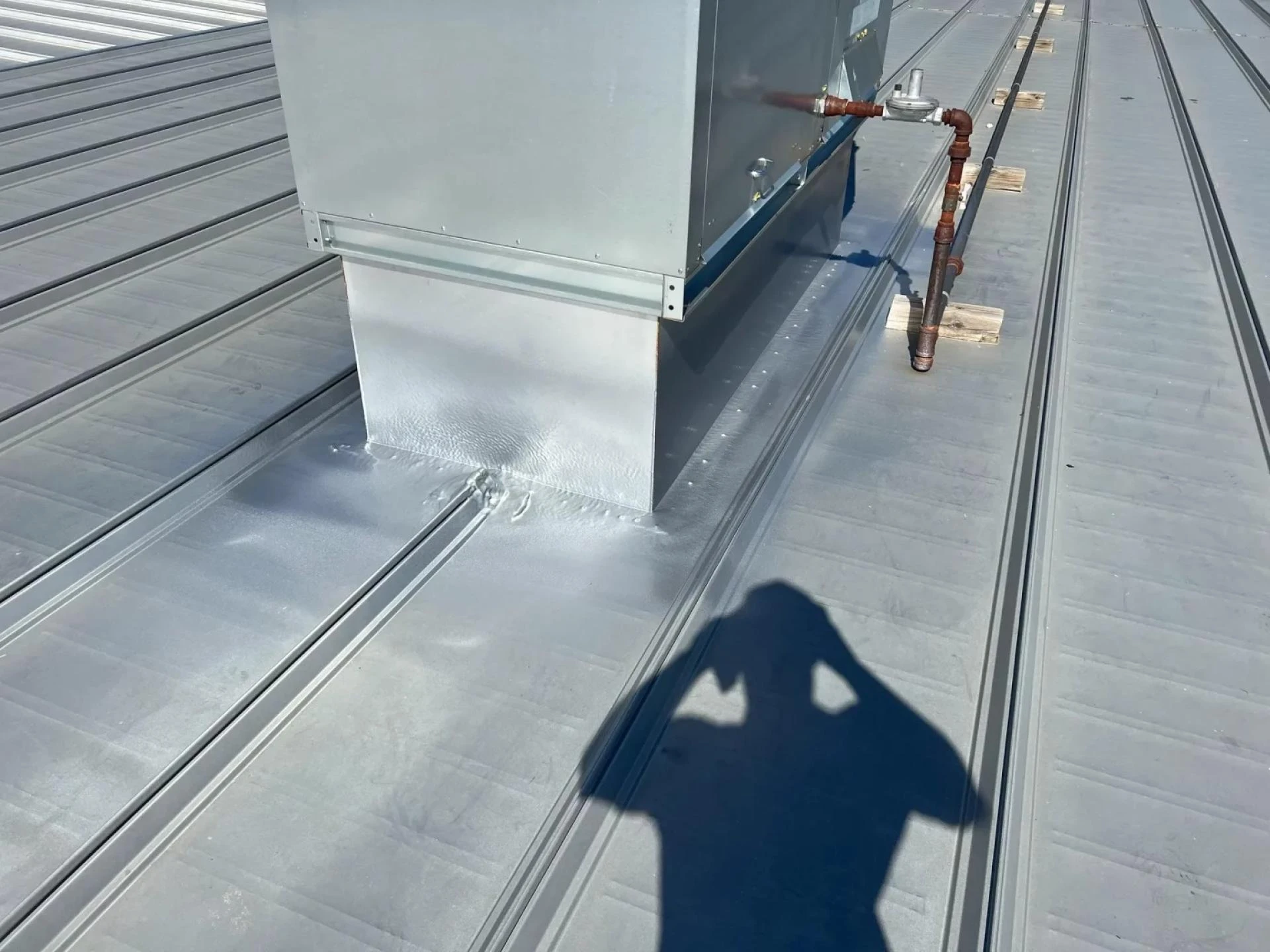

Roof systems can reduce overall structural load by using modern Roofing Insulation materials that are lightweight yet structurally stable. Advanced insulation products replace heavier traditional layers while still delivering high compressive strength and thermal performance.
This balance allows buildings to meet energy codes and structural limits at the same time. The following guide explains how this works, what materials make it possible, and what property owners should consider before choosing Roofing Insulation services.
Industry professionals with years of field experience understand that roof weight affects framing, load capacity, and long term durability. Their practical knowledge shapes the recommendations shared here.
Why Roof Weight Matters in Modern Construction
Roof weight directly impacts structural design. Excess weight increases stress on joists, trusses, and load bearing walls.
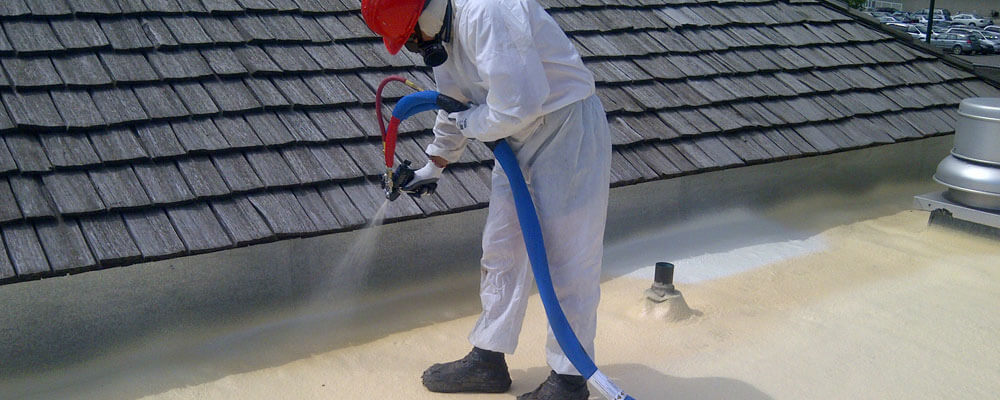
In commercial buildings, reducing dead load can lower material costs for structural framing. In residential properties, lighter roofs reduce strain over time and can extend the life of the structure.
The roofing sector has shifted toward lighter systems over the past decade. Market data shows that energy efficient insulation upgrades have grown by over 6 percent annually in North America, driven by stricter energy codes and sustainability goals.
How Roofing Insulation Lowers Structural Load
Modern insulation products achieve two goals at once. They reduce thermal transfer and replace heavier materials that once added unnecessary mass.
Lightweight Materials With High Compressive Strength
Many current systems use rigid foam boards or spray foam products. These materials weigh far less than traditional built up roofing layers.
Despite their lower weight, they maintain compressive strength. This means they can support foot traffic, rooftop equipment, and membrane systems without collapsing.
Density and Load Bearing Capacity
Closed cell spray foam, for example, has a high strength to weight ratio. It adds minimal pounds per square foot while reinforcing the roof deck.
Rigid polyisocyanurate boards are also engineered to handle compressive loads. They distribute weight evenly across the surface.
Fewer Layers With Better Performance
Older roofing systems relied on multiple heavy layers to improve insulation. Gravel ballast and thick felts added significant weight.
Modern Roofing Insulation experts design systems that require fewer layers. Higher R values per inch mean less material is needed to achieve energy goals.
The U.S. Department of Energy estimates that heating and cooling account for nearly 50 percent of energy use in commercial buildings. Efficient insulation reduces that load without increasing structural stress.
Comparing Insulation Types by Weight and Strength
Different insulation materials vary in weight and compressive strength. The table below highlights general performance ranges.
| Insulation Type | Approx. Weight per Sq Ft | Compressive Strength | Typical Use |
|---|---|---|---|
| Closed Cell Spray Foam | 0.5 to 0.8 lbs | High | Residential and commercial roofs |
| Polyiso Rigid Board | 0.25 to 0.5 lbs | Moderate to High | Flat and low slope roofs |
| Mineral Wool Board | 1.5 to 2 lbs | Moderate | Fire resistant assemblies |
| Fiberglass Batt | 0.5 to 1 lb | Low | Attic floors, not load bearing |
Lightweight options such as spray foam and polyiso reduce dead load while maintaining durability. Heavier materials may offer other benefits but add more stress to the structure.
Structural Reinforcement Through Spray Foam
Spray foam does more than insulate. When applied directly to the underside of the roof deck, it bonds to the surface.
Added Rigidity to Roof Decks
Closed cell spray foam creates a continuous layer. This can increase the racking strength of the roof assembly.
In storm prone regions such as the Pacific Northwest, this added rigidity supports wind resistance. Seattle’s wet climate also makes moisture control a priority.
Moisture Protection and Weight Stability
Water intrusion increases roof weight. Saturated insulation becomes heavy and weak.
Spray foam resists water absorption. This helps maintain consistent weight over time and prevents hidden structural strain.
Climate Specific Considerations for the Pacific Northwest
In areas like Seattle, roofs face frequent rain and seasonal temperature swings. Moisture control and insulation value must work together.
Roofing Insulation services in this region often recommend closed cell spray foam for its water resistance and high R value per inch.

Heavy rain can saturate older insulation types. Lighter, moisture resistant systems reduce the risk of added weight due to water absorption.
Things to Consider Before Making a Decision
Before selecting a system, property owners should evaluate structural and environmental factors.
- Review the roof’s current load capacity and consult structural plans.
- Assess local climate conditions, including rainfall and temperature range.
- Compare insulation thickness required to meet energy codes.
- Consider rooftop equipment loads such as HVAC units or solar panels.
- Evaluate long term maintenance needs and moisture risks.
Working with a qualified Roofing Insulation contractor helps ensure these factors are addressed properly. They can perform load calculations and recommend suitable materials.
Choose Continuous Insulation Layers
Continuous insulation reduces thermal bridging. This improves efficiency without adding extra layers.
Verify Compression Ratings
Always confirm that the selected product meets required compressive strength ratings for rooftop traffic and equipment loads.
Plan for Future Upgrades
If solar panels may be added later, select insulation that can support added weight without structural changes.
The Role of Professional Installation
Even lightweight insulation must be installed correctly. Gaps, uneven application, or improper curing can affect performance.
A skilled Roofing Insulation Company evaluates substrate condition, ventilation needs, and moisture levels before installation.
Field experience matters. Improper installation can lead to trapped moisture or uneven load distribution, which may compromise structural integrity.
Questions People Ask About Roofing Insulation
How much weight can roofing insulation reduce?
Weight reduction depends on the materials replaced. Switching from gravel ballast systems to lightweight foam can reduce several pounds per square foot, which significantly lowers dead load.
Does lighter insulation mean weaker roofs?
No. Many modern insulation materials have high compressive strength. They support rooftop traffic and equipment while weighing less than traditional systems.
Can roofing insulation improve structural strength?
Yes. Closed cell spray foam can increase rigidity by bonding to the roof deck. This can improve resistance to wind uplift in certain assemblies.
Is roofing insulation suitable for older buildings?
Often yes, especially when structural capacity is limited. Lightweight systems reduce added load, which can make upgrades possible without major framing changes.
How long does modern roofing insulation last?
Properly installed systems can last 20 to 30 years or more. Longevity depends on material type, exposure conditions, and maintenance practices.
Make Smart Choices for Long Term Performance
Reducing roof weight while maintaining strength is achievable with modern insulation materials. Lightweight foam and rigid boards provide high thermal value without overloading the structure.
Careful planning, climate awareness, and professional installation ensure the system performs as intended. Property owners should evaluate load capacity, moisture exposure, and future needs before selecting materials.
Contact a Knowledgeable Team for Guidance
Property owners who want detailed recommendations can consult Cascadia Spray Foam Insulation of Seattle for practical guidance. Their team evaluates structural load limits and climate demands before suggesting suitable Roofing Insulation services.
They can be reached at [email protected] or by phone at (425) 386-3500. Speaking with experienced professionals helps ensure the selected system reduces roof weight while maintaining lasting strength.
Reviewer: Olivia Thompson has spent 10 years working in spray foam insulation, helping companies grow their visibility. She reviewed this article and provided valuable suggestions to better align the content with customers' needs and expectations, ensuring it resonates with the target audience.











Sign in to leave a comment.