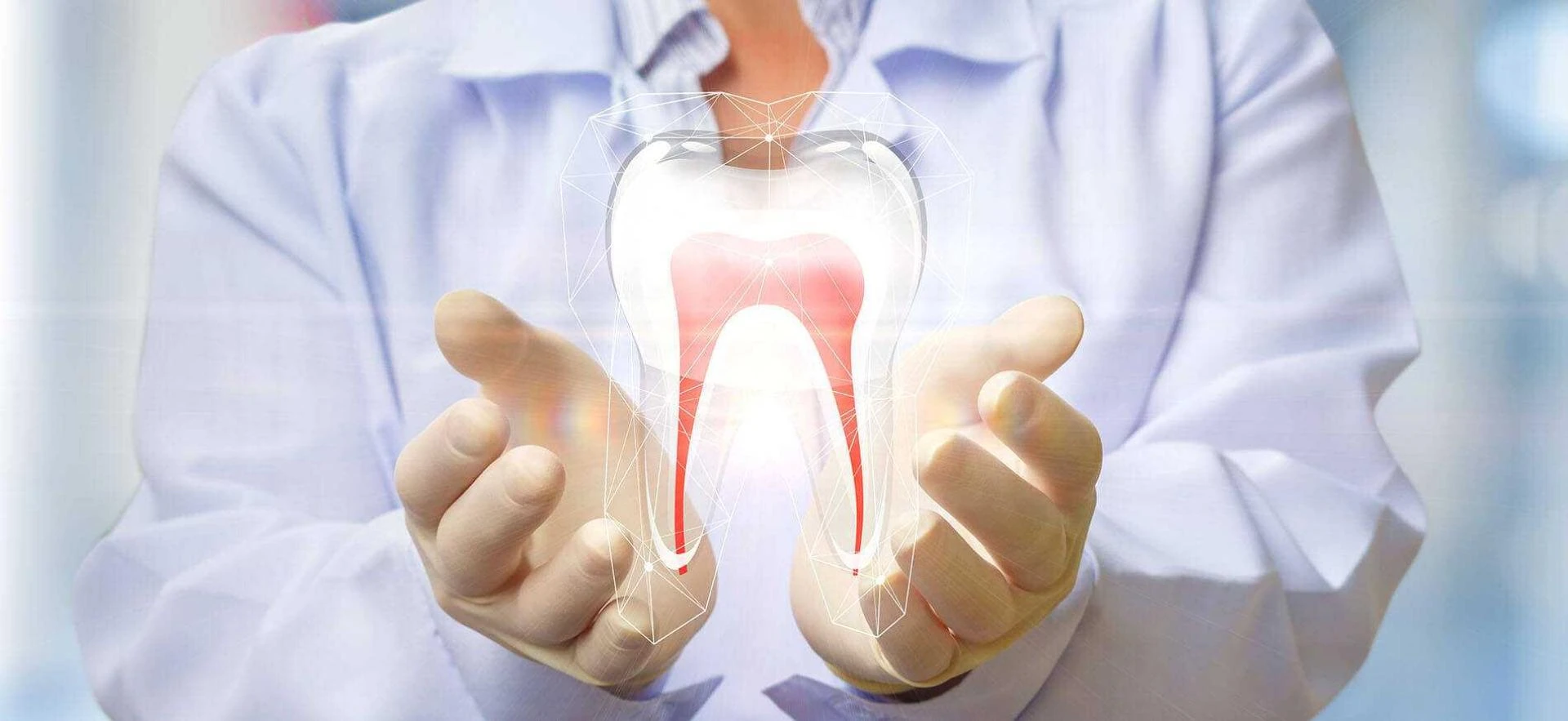

Tooth pain can be one of the most uncomfortable and disruptive experiences in daily life. Whether it starts as a mild sensitivity or develops into intense throbbing pain, it’s often a sign that something deeper is wrong. In many cases, the solution that allows you to keep your natural tooth—and avoid extraction—is root canal treatment. Despite its reputation, this procedure is safe, effective, and designed to relieve pain while preserving your smile.
What Is Root Canal Treatment?
Root canal treatment is a dental procedure used to treat infection or damage inside a tooth. Beneath the hard outer layers of your tooth (enamel and dentin) lies a soft tissue called the pulp. This pulp contains nerves, blood vessels, and connective tissue that help the tooth grow during development.
When the pulp becomes infected or inflamed—due to deep decay, repeated dental procedures, cracks, or trauma—it can cause severe pain and lead to abscess formation if left untreated. Root canal treatment removes the damaged pulp, cleans and disinfects the inside of the tooth, and seals it to prevent further infection.
Why Saving Your Natural Tooth Matters
One of the biggest advantages of root canal treatment is that it allows you to keep your natural tooth. This is important for several reasons:
1. Maintains Natural Function
Your natural teeth are designed to function efficiently for biting and chewing. Preserving them helps maintain proper alignment and prevents unnecessary strain on surrounding teeth.
2. Prevents Shifting of Teeth
When a tooth is removed, the adjacent teeth can begin to shift into the empty space. This can lead to bite problems and even jaw issues over time.
3. Preserves Jawbone Health
Tooth roots play a vital role in stimulating the jawbone. When a tooth is lost, the bone in that area may begin to deteriorate. Saving the tooth helps maintain bone density.
4. Aesthetic Benefits
Keeping your natural tooth ensures your smile looks and feels natural, without the need for artificial replacements.
Signs You Might Need a Root Canal
Recognizing the early signs of pulp damage can help you seek treatment before the problem worsens. Common symptoms include:
- Persistent toothache or throbbing pain
- Sensitivity to hot or cold that lingers
- Swelling or tenderness in the gums
- Darkening or discoloration of the tooth
- A small pimple-like bump on the gums (possible abscess)
If you experience any of these symptoms, it’s important to consult a dentist promptly.
The Root Canal Procedure: Step by Step
Understanding the process can help ease anxiety about the treatment. Here’s what typically happens during a root canal:
1. Diagnosis and X-rays
Your dentist examines the tooth and takes X-rays to determine the extent of the infection.
2. Local Anesthesia
The area around the affected tooth is numbed, ensuring that the procedure is comfortable and pain-free.
3. Access Opening
A small opening is made in the tooth to reach the infected pulp.
4. Cleaning and Shaping
The damaged pulp is removed, and the inner chambers are cleaned, disinfected, and shaped.
5. Filling the Canal
The cleaned space is filled with a biocompatible material (usually gutta-percha) to seal the tooth.
6. Restoration
In most cases, a crown is placed on the treated tooth to restore its strength, function, and appearance.
If you are searching for reliable and effective Root Canal Treatment around Mysore, choosing the right dental clinic is essential for a comfortable experience and long-lasting results. At Murthy Dental Clinic, patients receive personalized care using modern techniques and advanced equipment to ensure precision and safety throughout the procedure.
Is Root Canal Treatment Painful?
One of the most common misconceptions is that root canal treatment is painful. In reality, modern dental techniques and anesthesia have made the procedure no more uncomfortable than getting a regular filling. In fact, the treatment is designed to relieve pain caused by infection, not create it.
After the procedure, you may experience mild discomfort or sensitivity for a few days, which can usually be managed with over-the-counter pain relievers.
Recovery and Aftercare
Recovery from a root canal is typically quick and straightforward. Here are some tips to ensure proper healing:
- Avoid chewing on the treated tooth until it is fully restored
- Maintain good oral hygiene by brushing and flossing regularly
- Attend follow-up appointments as recommended by your dentist
- Avoid hard or sticky foods that could damage the temporary filling or crown
With proper care, a tooth that has undergone root canal treatment can last a lifetime.
Root Canal vs. Tooth Extraction
When faced with a severely damaged tooth, some patients consider extraction as an alternative. However, removing a tooth often leads to additional procedures such as dental implants, bridges, or dentures to restore function and appearance.
Root canal treatment, on the other hand, is a more conservative and cost-effective option in the long run. It eliminates infection while preserving the natural tooth structure, reducing the need for complex dental work.
Debunking Common Myths
There are several myths surrounding root canal treatment that can cause unnecessary fear:
Myth: Root canals cause illness
There is no scientific evidence supporting this claim. Root canal treatment is a safe and widely practiced procedure.
Myth: It’s better to remove the tooth
Whenever possible, saving the natural tooth is the best option for oral health.
Myth: The results don’t last long
With proper care, a treated tooth can function normally for many years, even a lifetime.
Root canal treatment plays a crucial role in modern dentistry by allowing patients to save their natural teeth and avoid unnecessary extractions. It not only relieves pain but also restores normal function and protects your overall oral health.
If you’re experiencing persistent tooth pain or sensitivity, don’t ignore the signs. Early diagnosis and treatment can make all the difference. By choosing root canal treatment, you’re not just fixing a problem—you’re preserving your natural smile for years to come.
Original Sources : - How Root Canal Treatment Can Save Your Natural Tooth











Sign in to leave a comment.