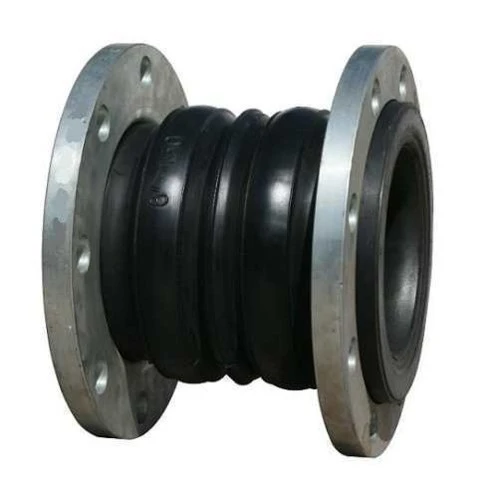

When you think about the efficiency and durability of HVAC and industrial ventilation systems, one might immediately consider the large fans, ductwork, or complex control systems. However, a small but critical component often goes unnoticed i.e rubber expansion joints. These unsung heroes play a vital role in maintaining system integrity, reducing wear and tear, and ensuring smooth operation.
If you’re involved in managing or maintaining HVAC or industrial ventilation systems, understanding the function and benefits of rubber expansion joints can save you time, money, and frustration. And if you’re searching for reliable solutions, partnering with a reputable rubber expansion joints manufacturer is key to getting quality products that stand the test of time.
What Are Rubber Expansion Joints?
Simply put, rubber expansion joints are flexible connectors made from specially formulated rubber materials designed to absorb movement, vibrations, and thermal expansion in piping and duct systems. They act as shock absorbers between rigid components, compensating for misalignment, reducing noise, and preventing damage caused by mechanical stresses.
These joints are commonly used in HVAC systems, industrial ventilation, chemical plants, and many other industries where piping networks must handle temperature fluctuations, pressure changes, or physical movement.
Why Are Rubber Expansion Joints Important in HVAC and Ventilation?
HVAC and industrial ventilation systems are subject to various mechanical and thermal stresses. For instance, metal ducts expand and contract as temperatures rise and fall. Equipment vibrations from fans or pumps create constant movement in the pipes. If left unmanaged, these stresses can eventually cause cracks, leaks, or failure of the joints.
Here’s where rubber expansion joints come in:
1. Absorbing Thermal Expansion and Contraction
HVAC systems often transport air or fluids at different temperatures. As metal ducts and pipes heat up or cool down, they expand or contract, causing stress at connection points. Rubber expansion joints provide the flexibility needed to absorb this movement, preventing cracks and leaks.
2. Dampening Vibrations and Noise
Fans, compressors, and pumps generate vibrations that travel through ductwork and piping. These vibrations can lead to noise issues and mechanical fatigue. Rubber expansion joints act as vibration isolators, significantly reducing noise pollution and protecting system components from premature wear.
3. Compensating for Misalignment
No system is perfectly aligned, especially in industrial settings where equipment may shift slightly over time. Rubber expansion joints can accommodate small misalignments between pipes or ducts, preventing stress concentrations and maintaining a tight seal.
4. Reducing Maintenance Costs
By absorbing movement and reducing mechanical stress, rubber expansion joints minimize the likelihood of system failures, leaks, and downtime. This translates into fewer repairs, longer equipment lifespan, and lower maintenance costs a huge benefit for facility managers and engineers.
Choosing the Right Rubber Expansion Joint
The effectiveness of an expansion joint depends heavily on the quality of materials and craftsmanship. At this point, the expertise of a rubber expansion joints manufacturer plays a crucial role.
A rubber expansion joints manufacturer specializes in shaping raw rubber into custom profiles and components. Through a process called extrusion, raw rubber compounds are forced through dies to create continuous shapes like tubes, seals, or expansion joints with specific dimensions and properties.
For expansion joints used in HVAC and industrial ventilation, manufacturers select the right type of rubber compound often EPDM, Neoprene, or Nitrile that can withstand temperature extremes, ozone exposure, and chemical contact typical in such environments.
A reliable rubber expansion joints supplier guarantees consistent quality, prompt delivery, and tailored solutions. They understand the demands of HVAC and industrial clients and can provide expansion joints that meet specific size, shape, and performance requirements.
Partnering with a trustworthy supplier reduces the risk of receiving subpar products that could fail prematurely and cause costly downtime.
Real-World Benefits of Using Rubber Expansion Joints
Let’s look at some practical advantages facility managers and engineers experience when incorporating high-quality rubber expansion joints in their systems:
·Improved System Durability: Expansion joints reduce mechanical stresses, helping to extend the life of ductwork and equipment.
·Improved Energy Efficiency: Reduced leaks and better sealing help maintain air pressure and temperature, lowering energy consumption.
·Lower Noise Levels: The vibration isolation property creates a quieter environment, crucial in office buildings or hospitals.
·Ease of Installation and Maintenance: Flexible joints simplify installation by accommodating small alignment errors and reducing strain on connections.
·Cost Savings: Less frequent repairs and equipment replacements mean long-term financial benefits.
Final Thoughts
Rubber expansion joints might be small components in the vast machinery of HVAC and industrial ventilation systems, but their impact is huge. They protect your investment, reduce noise, improve system efficiency, and make maintenance simpler.
If you’re sourcing expansion joints, always turn to an experienced rubber expansion joint supplier who can provide durable, tailored solutions. Quality materials and expert craftsmanship make all the difference in performance and longevity.
By understanding and appreciating the role of rubber expansion joints, you can ensure your HVAC and ventilation systems run smoothly, quietly, and reliably for years to come.










Sign in to leave a comment.