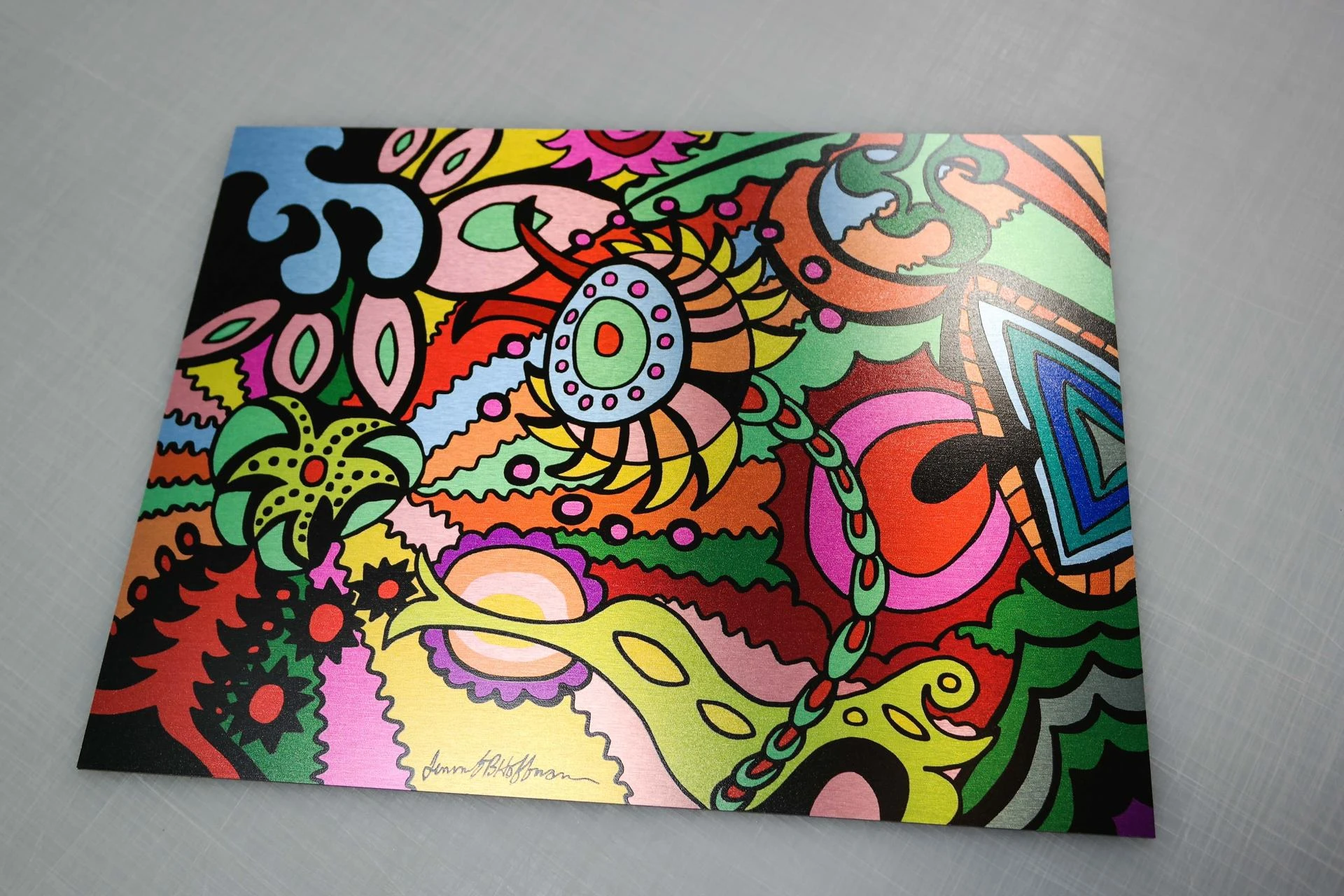

Collectors searching for water paintings for sale FL often face a unique challenge. The high humidity levels in Florida and similar coastal areas can be harsh on delicate works, especially watercolors. Displaying original paintings properly in such climates isn't just a matter of preference—it’s a matter of preservation. The right choices can keep art safe and beautiful for generations.
Understanding the Impact of Humidity on Watercolors
Watercolors are more vulnerable to environmental changes than oil or acrylic paintings. They are created on paper, a surface that naturally absorbs moisture. Excess humidity can cause the paper to buckle, grow mold, or fade due to chemical breakdown. Even minor fluctuations in temperature and moisture can leave behind lasting effects.
Collectors who care about maintaining the quality and value of their collection must be aware of how subtle environmental shifts affect their artwork. Delicate paper fibers can swell, contract, and even separate from the pigment if exposed for long periods to damp conditions.
Choosing the Right Location for Display
Selecting the right space in your home to display watercolors makes all the difference. Avoid areas near windows where condensation builds up, or bathrooms and kitchens where steam regularly rises. Paintings placed near exterior doors or uninsulated walls are more likely to suffer from humidity spikes.
Interior walls that receive indirect light and steady airflow offer a safer option. Keeping artwork away from vents, fireplaces, or humidifiers also helps maintain a stable microclimate around the piece. A consistent environment, free from dramatic moisture swings, keeps watercolor paper flat and pigment intact.
Framing Matters More Than You Think
Proper framing isn’t just about aesthetics. It’s one of the most important tools for preserving watercolors. High-quality frames should include a sealed backing to limit the entry of moisture. Acid-free materials, like archival mat boards and mounting tape, protect both the painting and the surrounding paper.
The space between the painting and the glass is also crucial. This gap prevents condensation from forming directly on the surface. Using spacers or a double mat creates distance, allowing air to circulate and keeping the painting dry even on humid days.
Glass Protection for Long-Term Clarity
Regular glass might look fine at first, but it can trap heat and moisture when temperatures change. UV-protective glazing or museum glass offers both protection from sunlight and better resistance to moisture buildup. These options reduce glare while filtering harmful rays that may cause fading over time.
Collectors may be tempted to remove glass for easier viewing, but that can expose the painting to dust, dampness, and air pollutants. Keeping the protective glass intact, clean, and properly sealed helps avoid most of the common problems associated with high humidity.
Monitoring the Environment Around Your Art
Small steps make a large difference in keeping watercolor art in good condition. Using a dehumidifier in the room where art is displayed helps stabilize humidity levels. Ideally, the room should maintain around 50% relative humidity for optimal preservation.
Thermometers and humidity sensors are affordable and easy to place discreetly near artwork. Keeping an eye on these readings allows you to make necessary adjustments quickly. Slight shifts can happen with seasonal changes, so staying alert helps prevent long-term damage.
Regular Checks and Maintenance
Even with careful planning, watercolors should be checked regularly. Look for subtle signs like fogging under the glass, changes in color brightness, or warping along the paper edges. These signs may indicate moisture intrusion or damage.
Light dusting with a dry microfiber cloth on the frame and glass helps keep the piece looking clean without risking the artwork. Any deeper cleaning should be done by professionals familiar with handling fragile paper-based art.
Collectors who travel or have second homes in coastal areas might also consider rotating their displayed artwork. Keeping a few pieces in cool storage and rotating them into display gives each one a break from humidity exposure while keeping the space visually fresh.
Conclusion
Displaying watercolor paintings in humid environments requires thoughtfulness and care. From choosing the right location to investing in proper framing, each decision contributes to the life and quality of the artwork. Humidity may be part of the climate, but it doesn’t have to become part of your art’s story. With steady attention and practical adjustments, collectors can enjoy delicate watercolors in any setting without risking their beauty or integrity.













Sign in to leave a comment.