

Creating content and hitting “post” is only the first step in social media success. What truly separates average results from outstanding ones is how well you track performance and use that data to adjust your strategy. This is where a skilled social media manager shines. They look beyond surface-level numbers to uncover what’s really working and what’s not.
If you're serious about growing your brand and making the most of your online presence, one of the best decisions you can make is to hire a social media manager who understands how to read and respond to social media metrics. Let’s explore how they do it and why it matters for your business.
1. Performance Tracking
There are countless social media metrics available like likes, comments, shares, saves, followers, reach, impressions, clicks, and more. But just because a number exists doesn’t mean it’s important for your goals.
An experienced social media manager knows how to separate “vanity metrics” from valuable, actionable insights.
- Vanity metrics like likes and follower counts might feel good, but they don’t always drive sales, traffic, or leads.
- Actionable metrics such as engagement rate, click-through rate, and conversions give you a better understanding of what’s actually influencing your audience and helping your business grow.
For example, a post might get 1,000 likes but only 3 clicks to your website. Another post might get fewer likes but drive 100 clicks and 10 new sign-ups. A professional social media manager will dig into this data and focus your efforts where it counts.
When you hire a social media manager, you gain access to this kind of strategic thinking where content isn’t just made to look good, but to perform well too.
2. Engagement Rate
One of the key things a manager pays attention to is engagement rate - a combination of likes, comments, shares, saves, and even clicks. It shows how your audience is interacting with your content and whether it’s capturing their interest.
But they don’t stop at just checking numbers. A good social media manager will ask:
- What types of content are getting the most engagement?
- Is there a particular day or time when engagement peaks?
- Are certain topics or formats performing better than others?
For example, a skincare brand might find that short, educational videos on common skin problems get more saves and shares than promotional product posts. Using this insight, the manager might recommend increasing the frequency of helpful video content, while reducing overly promotional posts.
This level of observation and adjustment is one of the biggest reasons to hire a social media manager. They use engagement as a guide to refine your content strategy continuously.
3. Clicks and Conversions
Engagement is a great start, but businesses also need results they can measure like website traffic, sign-ups, enquiries, or sales. That’s where click-through rates (CTR) and conversions come into play.
- CTR tells you how many people clicked on a link in your post or ad.
- Conversions show how many of those clicks turned into actual actions (like purchases, bookings, or contact form submissions).
A social media manager analyses CTR to identify which content drives interest, and then looks at conversion data to see which posts actually bring in results. If certain posts get clicks but no conversions, it might be time to test a new call-to-action, improve the landing page, or refine the audience targeting.
Let’s say you’re a fitness coach promoting an online programme. A manager might find that Instagram Reels with transformation stories generate a high CTR but lead to very few sign-ups. After reviewing the landing page and call-to-action, they adjust the content or the user journey to improve conversions.
This ongoing cycle of testing, learning, and improving is exactly why many brands choose to hire a social media manager so every campaign becomes smarter than the last.
4. Knowing Your Audience
One of the most valuable features of social media platforms is the ability to view detailed audience data. A good social media manager uses tools like Meta Insights, Instagram Analytics, or LinkedIn Analytics to understand who your followers really are.
This includes information like:
- Age range and gender
- Location (cities, regions, or countries)
- Times and days when followers are most active
- Devices used to view your content
This insight helps shape content and posting schedules. For instance, if most of your followers are 25–34-year-old professionals from London, your manager might create content that’s informative, time-efficient, and relevant to a UK-based audience. They might also schedule posts during commuting hours, when engagement tends to be higher for this group.
When you hire a social media manager who understands audience behaviour, your content stops feeling random and starts becoming genuinely relevant to the people you’re trying to reach.
5. Different Platforms, Different Strategies
It’s a common mistake to treat all social platforms the same. But in reality, what works on Facebook might flop on TikTok. A strong social media manager treats each platform as its own ecosystem.
They compare performance across platforms to answer questions like:
- Which channel is driving the most website traffic?
- Where are you gaining the most followers?
- Which content type performs best on each platform?
For example, your B2B content may thrive on LinkedIn but fall flat on Instagram. Or short Reels might outperform long captions on Facebook. A smart manager uses this data to customise your strategy per platform, helping you get the most out of every channel without wasting time or budget.
6. Sentiment Analysis
While numbers are important, they don’t always reveal the full story. That’s why sentiment analysis is crucial. It helps your manager understand whether people are reacting positively, negatively, or neutrally to your content.
They pay close attention to:
- Comments on posts
- Brand mentions in stories or tweets
- Customer feedback in DMs or reviews
For example, if your new product post is getting lots of attention but most of the comments mention issues or concerns that’s a red flag. Your social media manager can step in quickly, respond to concerns, and work with your team to adjust future messaging or support.
This kind of responsiveness helps protect your brand reputation and shows your audience that you’re listening.
7. Monthly Reports
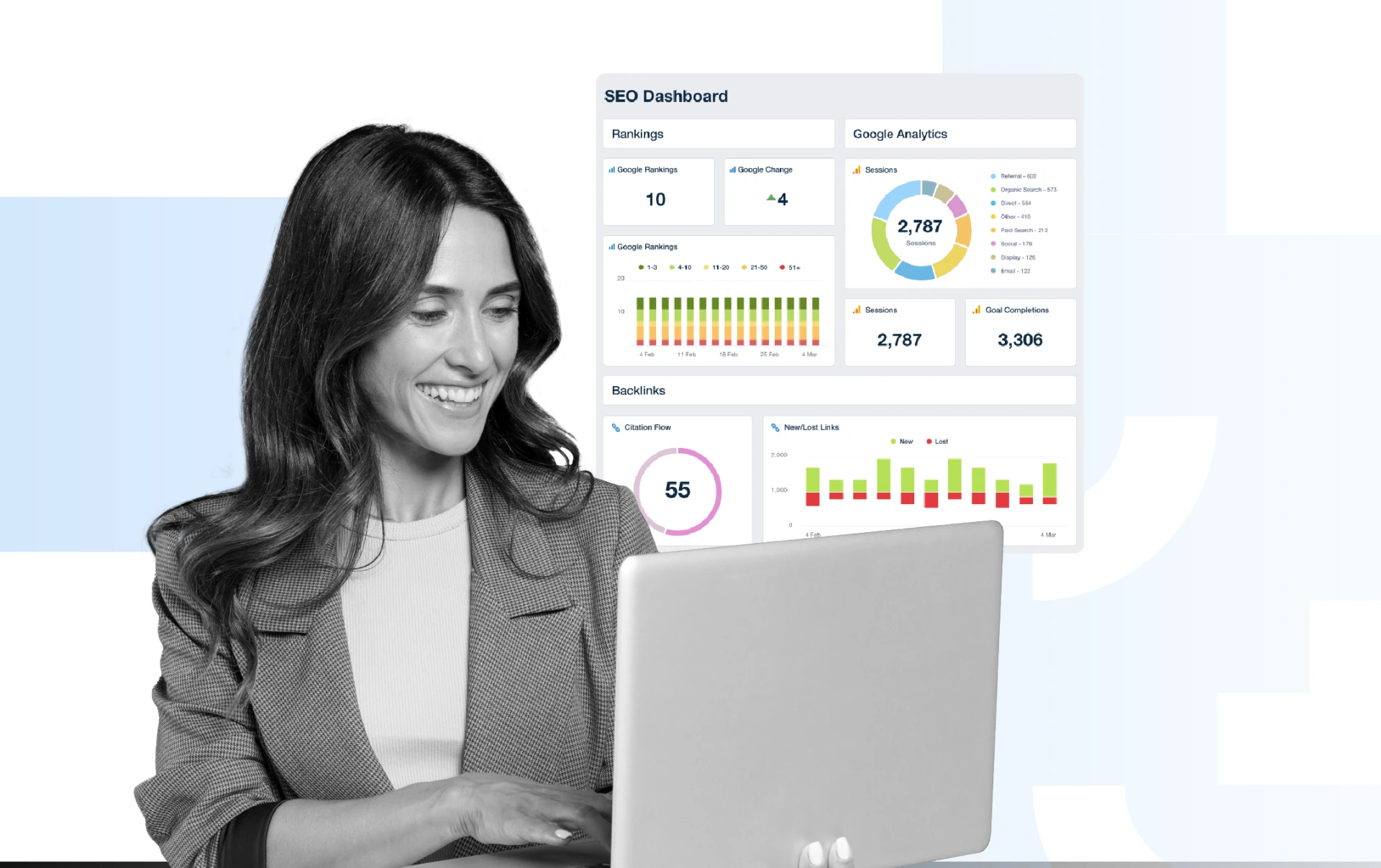
The best social media managers don’t just track numbers. They turn them into clear and actionable insights through monthly reports.
A typical report includes:
- A breakdown of top-performing posts
- Insights on what didn’t work (and why)
- Updated content strategy recommendations
- Suggestions for testing new formats, topics, or posting times
For example, a business might learn from its monthly report that posts with testimonials and client success stories perform better than general brand updates. The manager can then shift the content calendar to focus more on storytelling and user-generated content.
When you hire a social media manager, you’re not just getting someone who posts content. You’re getting someone who tracks progress, learns from it, and continuously fine-tunes your entire strategy to deliver better results.
Conclusion
Social media is no longer just about looking active online, it’s about being strategic. Without tracking performance and adjusting your approach, your content risks getting lost in a sea of posts.
By using data smartly, social media managers help your brand stay relevant, connect with the right people, and convert followers into loyal customers.
So if you're trying to build a stronger online presence, generate leads, or simply make your content work harder for you, it’s time to hire a social media manager who knows how to read the numbers and act on them.
They’ll take your guesswork out of the equation, bring clarity to your content, and make every post count.










Sign in to leave a comment.