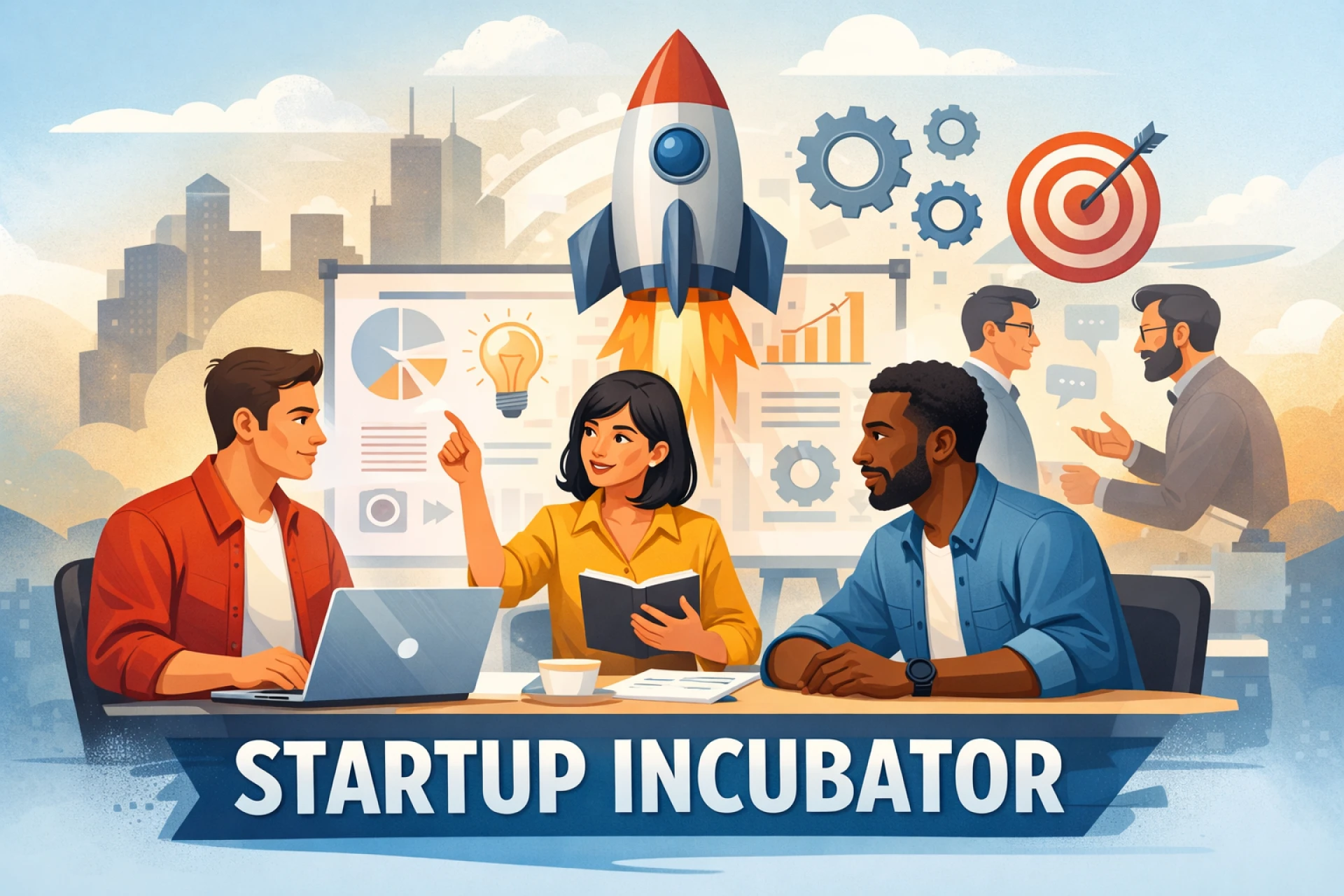

Launching a startup often begins with a promising idea, but turning that idea into a real product is where many founders struggle. The early stages of building a startup involve validating the concept, planning product development, and understanding the needs of potential users. Without the right guidance, many promising ideas fail before they reach the market.
One reason for this is that first-time founders frequently rush into development without properly validating the problem they are trying to solve. They spend months building features that may not actually address real user needs. Instead, successful startups often start small, focusing on testing their assumptions and gathering feedback early in the process.
This is where a tech startup incubator can provide valuable support to early-stage founders. Incubators offer mentorship, resources, and structured guidance that help entrepreneurs transform ideas into viable products. By working with experienced mentors and product experts, founders can avoid many of the common mistakes that occur during the early stages of startup development.
Another advantage of startup incubators is access to a network of professionals and entrepreneurs who have experience building technology companies. These networks can help founders gain insights into product strategy, technology choices, and market positioning. For many entrepreneurs, this guidance can significantly accelerate the journey from concept to launch.
Startup incubators also encourage founders to focus on building a Minimum Viable Product (MVP). Rather than trying to create a fully featured product from the start, founders learn to build a simplified version that allows them to test their idea with real users. This approach reduces risk and allows startups to improve their product based on actual feedback.
For non-technical founders, the benefits of incubation programs can be even greater. Access to technical mentors and product specialists can help bridge the gap between business ideas and technology development. Instead of navigating the complexities of product development alone, founders gain a support system that helps them move forward with confidence.
The startup ecosystem continues to evolve, and incubation programs have become an important part of that ecosystem. By providing mentorship, resources, and strategic guidance, incubators help entrepreneurs turn innovative ideas into successful businesses.
For many early-stage founders, joining a startup incubator can be a crucial step toward building a sustainable and scalable technology company.











Sign in to leave a comment.