

India is a land of contrasts, where centuries-old heritage buildings stand side by side with futuristic skyscrapers. As urbanization accelerates, the need for sustainable and environmentally responsible design has become urgent. This is where sustainable architects in India are stepping in, reshaping the future of modern architecture. Their innovative work combines eco-friendly principles with aesthetic brilliance, proving that sustainability and style can coexist harmoniously.
The Rise of Sustainable Architecture in India
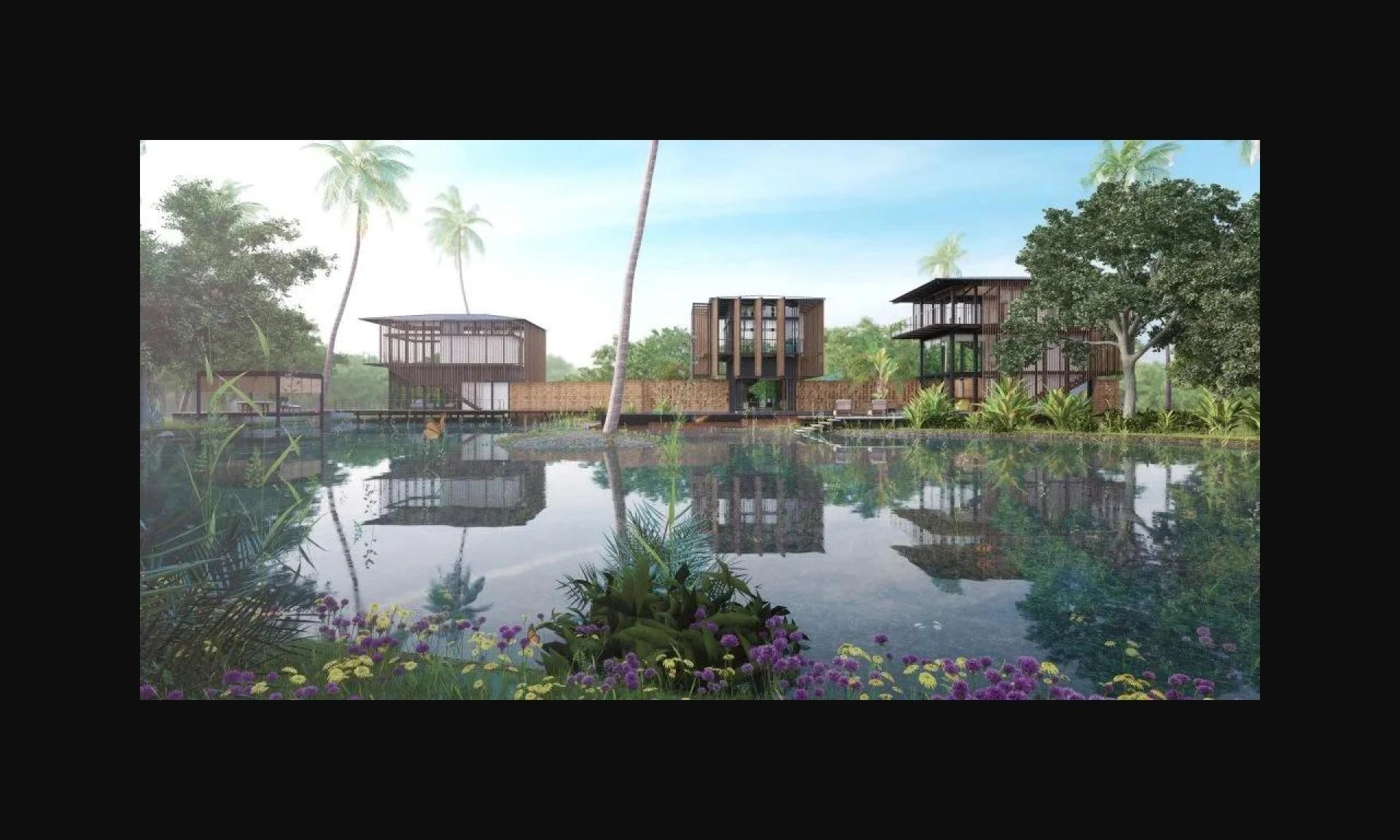
The concept of sustainability in architecture is not new, but its relevance in India has grown tremendously in the past two decades. With increasing concerns about climate change, energy efficiency, and resource conservation, architects are rethinking traditional design approaches. Today, sustainable architects in India are focusing on structures that minimize environmental impact while enhancing the quality of life.
This new wave of architecture isn’t limited to green certifications or solar panels on rooftops. It goes deeper—integrating passive design strategies, natural materials, efficient water management systems, and renewable energy solutions. More importantly, these designs take into account India’s diverse climate zones, urban density, and cultural context.
Key Principles Driving Sustainable Architecture

Passive Design Strategies
Architects are prioritizing natural ventilation, daylight optimization, and thermal comfort to reduce dependency on artificial cooling or lighting. For instance, the orientation of buildings, the placement of windows, and the use of courtyards are central to such designs.
Use of Local and Recycled Materials
To cut down on carbon footprints, many projects are using locally sourced stone, bamboo, reclaimed wood, and recycled steel. These materials not only reduce environmental costs but also add a unique character to each project.
Water and Energy Efficiency
Rainwater harvesting, wastewater recycling, and solar energy integration are now standard in many eco-conscious projects. Such practices ensure long-term resource sustainability in a country where water scarcity and energy demand are pressing concerns.
Biophilic Design
One of the most exciting trends introduced by sustainable architects in India is biophilic design. This approach integrates natural elements such as greenery, water features, and open courtyards into built spaces, improving mental well-being and productivity.
Smart Technology Integration
From energy-monitoring systems to smart grids, architects are leveraging technology to optimize building performance. These tools help in reducing long-term operational costs while ensuring minimal environmental impact.
The Role of Interior Design in Sustainability
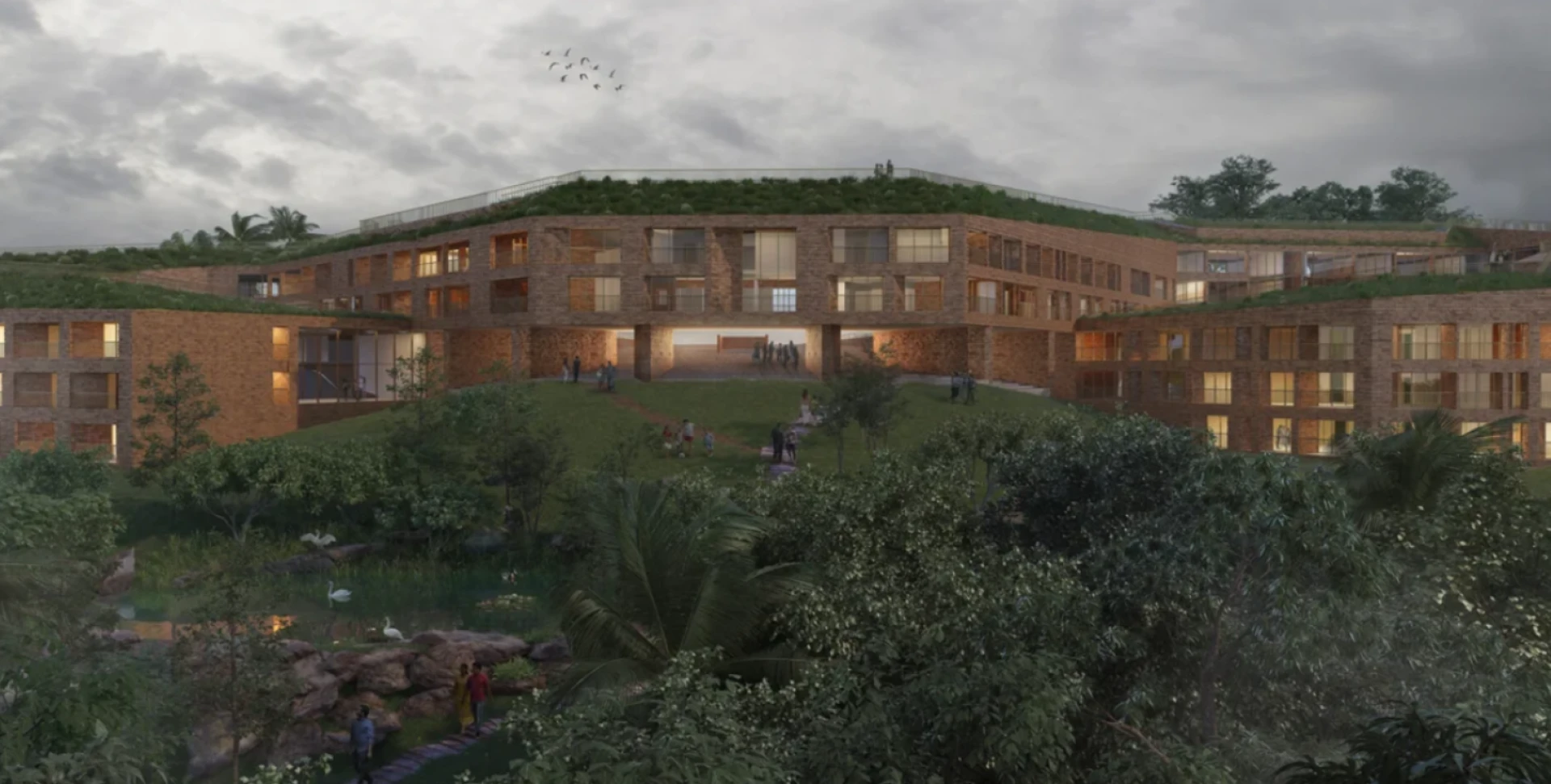
Architecture lays the foundation, but interiors bring the space to life. This is where the best interior design firm in India collaborates closely with architects to ensure that the interiors are as sustainable as the structures themselves. Eco-friendly interiors emphasize:
- Furniture made from recycled or certified wood.
- Natural fabrics such as cotton, jute, and hemp.
- Non-toxic paints and finishes for healthier indoor air quality.
- Space-saving designs that promote minimalism and functionality.
Together, architects and interior designers are ensuring that sustainability is not an afterthought but an integral part of design.
Redefining Urban Landscapes
Cities like Delhi, Bengaluru, and especially Mumbai are becoming test grounds for sustainable design. From green-certified office towers to eco-conscious residential complexes, the work of sustainable architects in India is reshaping skylines. Urban landscapes are no longer dominated only by glass facades; instead, they feature vertical gardens, energy-efficient facades, and adaptive reuse of existing buildings.
Moreover, public spaces are being reimagined with sustainability in mind. Parks, community centers, and cultural hubs are incorporating eco-friendly materials and designs to foster inclusivity and environmental responsibility.
Challenges and Opportunities
While progress is evident, challenges remain. High upfront costs of sustainable technologies and resistance to change often deter developers. However, the long-term benefits—reduced energy bills, improved occupant well-being, and positive environmental impact—make sustainability a worthwhile investment.
The growing awareness among clients, government incentives for green buildings, and global climate commitments are also creating opportunities for the best interior design firm in India and leading architecture studios. These conditions make it the perfect time for sustainability to become the mainstream design philosophy rather than a niche practice.
Inspirational Examples of Sustainable Design
Some remarkable projects across India showcase the ingenuity of sustainable architects in India:
- Residential homes are designed to use cross-ventilation, eliminating the need for air conditioning.
- Corporate campuses are powered by renewable energy sources and designed with zero-waste principles.
- Schools and community buildings that use local materials provide affordability without compromising durability.
Such examples highlight how sustainability does not compromise beauty or functionality. Instead, it enriches spaces with authenticity, character, and responsibility toward future generations.
Conclusion
Sustainability is no longer optional; it is the need of the hour. By combining traditional wisdom with modern technology, sustainable architects in India are redefining the way we think about modern architecture. Their work demonstrates that environmentally responsible designs can be both aesthetically stunning and highly functional. Alongside them, the best interior design firm in India ensures that the interiors resonate with eco-friendly principles, creating a holistic, sustainable experience.
Among the pioneers leading this change, Architecture BRIO has emerged as a standout name. With a portfolio that emphasizes harmony with nature, innovative use of materials, and human-centered design, Architecture BRIO exemplifies how India’s design future can be both sustainable and inspiring. Their work is a testament to the idea that architecture, when rooted in responsibility, can shape not just buildings, but entire communities and cultures for the better.















Sign in to leave a comment.