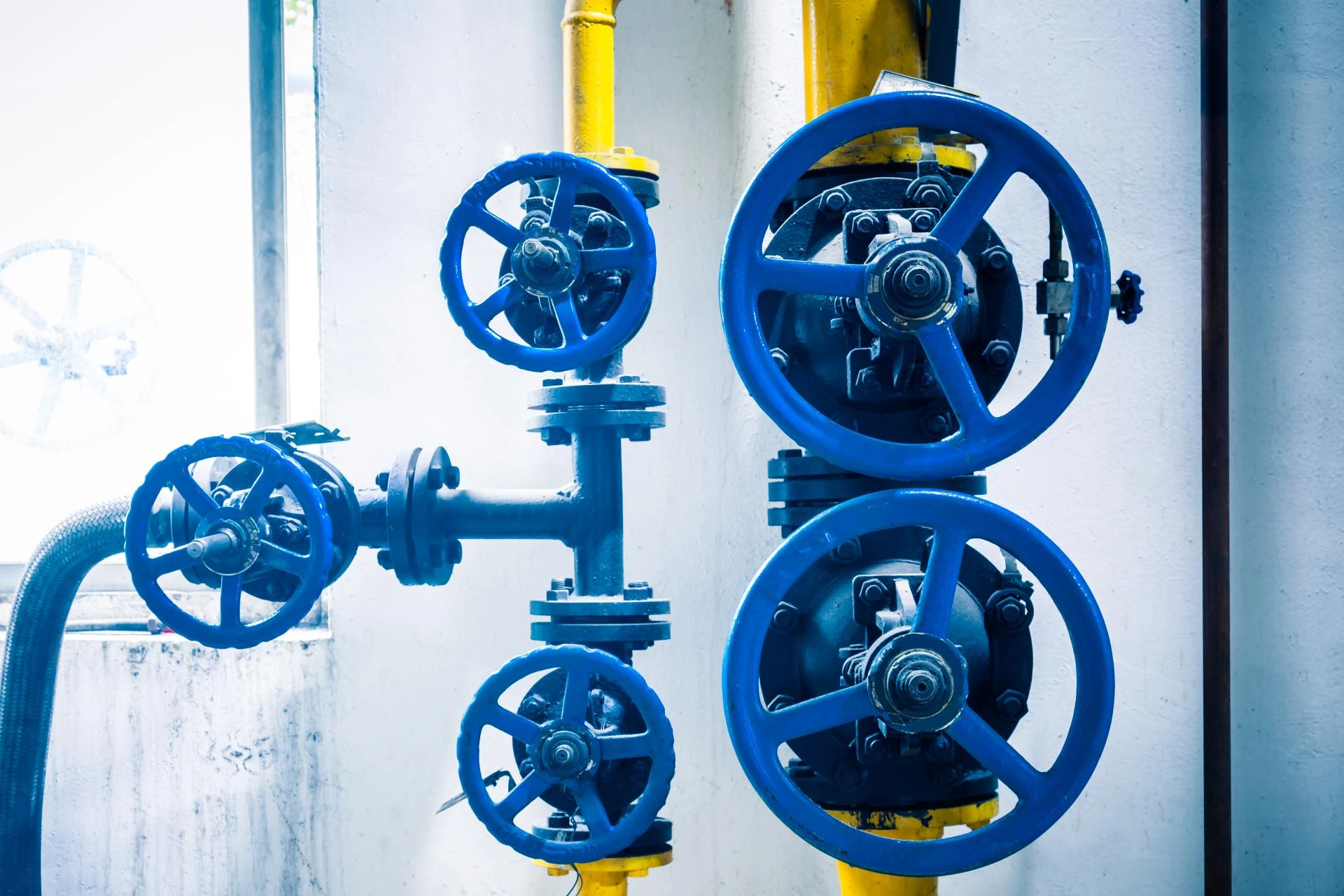

In today’s competitive industrial landscape, energy efficiency isn’t just a buzzword — it’s a necessity. From chemical plants to food processing facilities, companies are constantly seeking reliable solutions to optimize energy consumption and reduce operational costs. Two critical components that contribute significantly to this effort are the thermodynamic steam trap and actuated butterfly valves.
These devices, while often operating quietly in the background, play a pivotal role in managing steam systems and fluid control, helping industries enhance performance and sustainability. Let’s explore how they function and contribute to energy efficiency.
The Role of Thermodynamic Steam Traps in Energy Savings
A thermodynamic steam trap is a compact yet powerful device used in steam systems to discharge condensate while retaining live steam. These traps operate based on the difference in dynamic properties between steam and condensate. Their key energy-saving advantages include:
1. Preventing Steam Loss
Thermodynamic steam traps close instantly when steam is present, ensuring minimal steam loss. This conserves energy and reduces the load on the boiler system.
2. Durability in Harsh Conditions
These traps can withstand high-pressure and temperature fluctuations, making them ideal for tough industrial environments. Their reliability reduces the frequency of replacements, contributing to operational efficiency.
3. Minimal Maintenance Needs
With no moving parts that wear easily, thermodynamic traps are low-maintenance, reducing downtime and labor costs — an indirect but significant energy-saving factor.
How Actuated Butterfly Valves Enhance Efficiency
Actuated butterfly valves are widely used for regulating flow in pipelines. These valves, equipped with either electric or pneumatic actuators, offer precise control over fluid flow. Their role in improving industrial energy efficiency is substantial:
1. Automation and Precision
By automating valve operation, actuated butterfly valves enable more accurate flow control, leading to optimized system performance and reduced energy waste.
2. Fast and Reliable Operation
Quick opening and closing times minimize unnecessary flow or pressure fluctuations, which can otherwise cause energy spikes in pumps and compressors.
3. Leak-Proof Design
Modern actuated butterfly valves offer tight shutoff capabilities, preventing leaks and ensuring that energy is not wasted due to unintended flow.
Integrated Impact: Smarter Systems for Smarter Energy Use
When used together, thermodynamic steam traps and actuated butterfly valves can significantly enhance an industrial plant’s energy efficiency:
- Steam Optimization: Traps ensure steam is used effectively, while valves control flow precisely, maintaining system balance.
- Reduced Boiler Load: Efficient condensate removal and minimized steam loss lower boiler operating hours and fuel use.
- Improved Process Control: Automated valves provide better modulation and responsiveness to real-time conditions, reducing energy fluctuations.
Final Thoughts
Energy efficiency is a multifaceted goal that requires careful consideration of every component in an industrial system. Both thermodynamic steam traps and actuated butterfly valves may seem like small elements, but their contribution to overall performance and energy savings is undeniable.
By incorporating these devices into steam and fluid systems, industries can achieve more reliable operations, lower energy bills, and a smaller environmental footprint — goals that are essential for sustainable growth in the modern era.












Sign in to leave a comment.