
Major depressive disorder (MDD), often simply called depression, is a pervasive and debilitating mental health condition affecting millions worldwide. It’s more than just feeling sad for a few days; it's a persistent state of low mood and loss of interest or pleasure in activities, impacting daily life significantly. Traditional treatments like medication and psychotherapy are effective for many, but a substantial portion of individuals with depression don't respond adequately to these approaches. This is where alternative therapies like Transcranial Magnetic Stimulation (TMS) come into play, offering a beacon of hope for those seeking relief. This article explores how tms depression therapy albany can be a beneficial treatment option for improving mental wellness.
Understanding Depression: A Complex Condition
Depression is a complex interplay of genetic, biological, environmental, and psychological factors. It's characterized by a range of symptoms that can vary in severity from person to person. Common symptoms include:
- Persistent sadness, emptiness, or hopelessness.
- Loss of interest or pleasure in hobbies and activities.
- Changes in appetite, leading to weight loss or gain.
- Sleep disturbances, such as insomnia or oversleeping.
- Fatigue and loss of energy.
- Difficulty concentrating, remembering, or making decisions.
- Feelings of worthlessness or guilt.
- Thoughts of death or suicide.
- Restlessness or slowed behavior.
These symptoms can significantly interfere with a person's ability to function at work, school, or in social settings. It's crucial to recognize that depression is a medical condition that requires professional treatment.
Traditional Treatments for Depression
The most common treatments for depression include:
- Psychotherapy: Talking therapies like cognitive-behavioral therapy (CBT) and interpersonal therapy (IPT) can help individuals identify and change negative thought patterns and develop coping skills.
- Medication: Antidepressants, such as selective serotonin reuptake inhibitors (SSRIs) and serotonin-norepinephrine reuptake inhibitors (SNRIs), can help regulate brain chemistry and alleviate depressive symptoms.
While these treatments are effective for many, they don't work for everyone. Some individuals may experience side effects from medication, while others may not respond to psychotherapy alone. In these cases, alternative treatments like TMS may be considered.
TMS: A Non-Invasive Approach to Treating Depression
Transcranial Magnetic Stimulation (TMS) is a non-invasive brain stimulation technique that uses magnetic pulses to stimulate nerve cells in the brain. It's approved by the FDA for the treatment of major depressive disorder in adults who have not responded adequately to antidepressant medications.
Here's how TMS works:
- Magnetic Pulses: A TMS device delivers short magnetic pulses to a specific area of the brain, typically the left dorsolateral prefrontal cortex (DLPFC), which is involved in mood regulation.
- Stimulation of Nerve Cells: The magnetic pulses stimulate nerve cells in the DLPFC, which can improve communication between different brain regions and alleviate depressive symptoms.
- Non-Invasive: TMS is a non-invasive procedure, meaning it doesn't involve surgery or anesthesia. Patients remain awake and alert during treatment.
Benefits of TMS Therapy
TMS offers several potential benefits for individuals with depression:
- Effective Treatment: TMS has been shown to be an effective treatment for depression, particularly for those who have not responded to traditional treatments.
- Non-Invasive: TMS is a non-invasive procedure, which means it doesn't involve surgery or anesthesia. This can be a significant advantage for individuals who are concerned about the risks associated with more invasive treatments.
- Minimal Side Effects: TMS generally has minimal side effects. The most common side effect is a mild headache, which usually resolves quickly.
- Targeted Treatment: TMS allows for targeted stimulation of specific brain regions involved in mood regulation.
- Potential for Long-Term Relief: Some studies suggest that TMS can provide long-term relief from depression symptoms.
The TMS Therapy Process in Albany
If you're considering tms depression therapy albany, here's what you can expect:
- Consultation: You'll meet with a qualified psychiatrist or TMS provider to determine if TMS is right for you. They'll review your medical history, current medications, and previous treatments.
- Treatment Planning: If you're a good candidate for TMS, the provider will develop a personalized treatment plan. This will involve determining the specific area of the brain to target and the intensity of the magnetic pulses.
- Treatment Sessions: TMS therapy typically involves daily treatment sessions for several weeks. Each session lasts about 20-50 minutes.
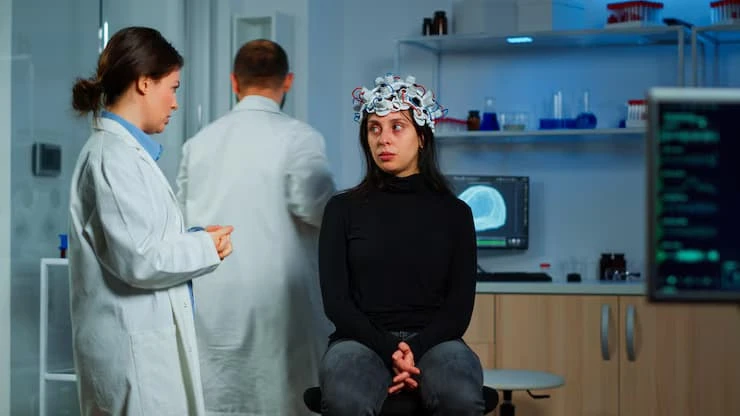
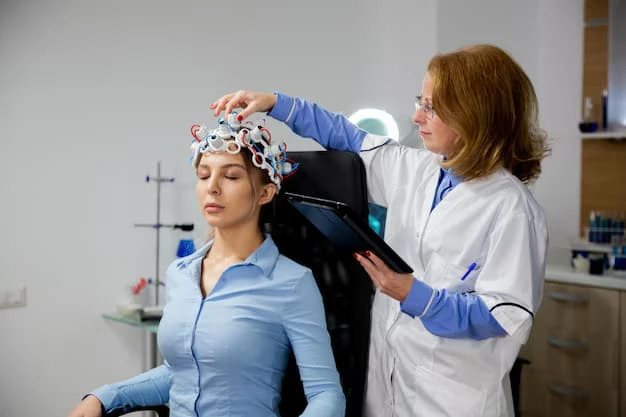
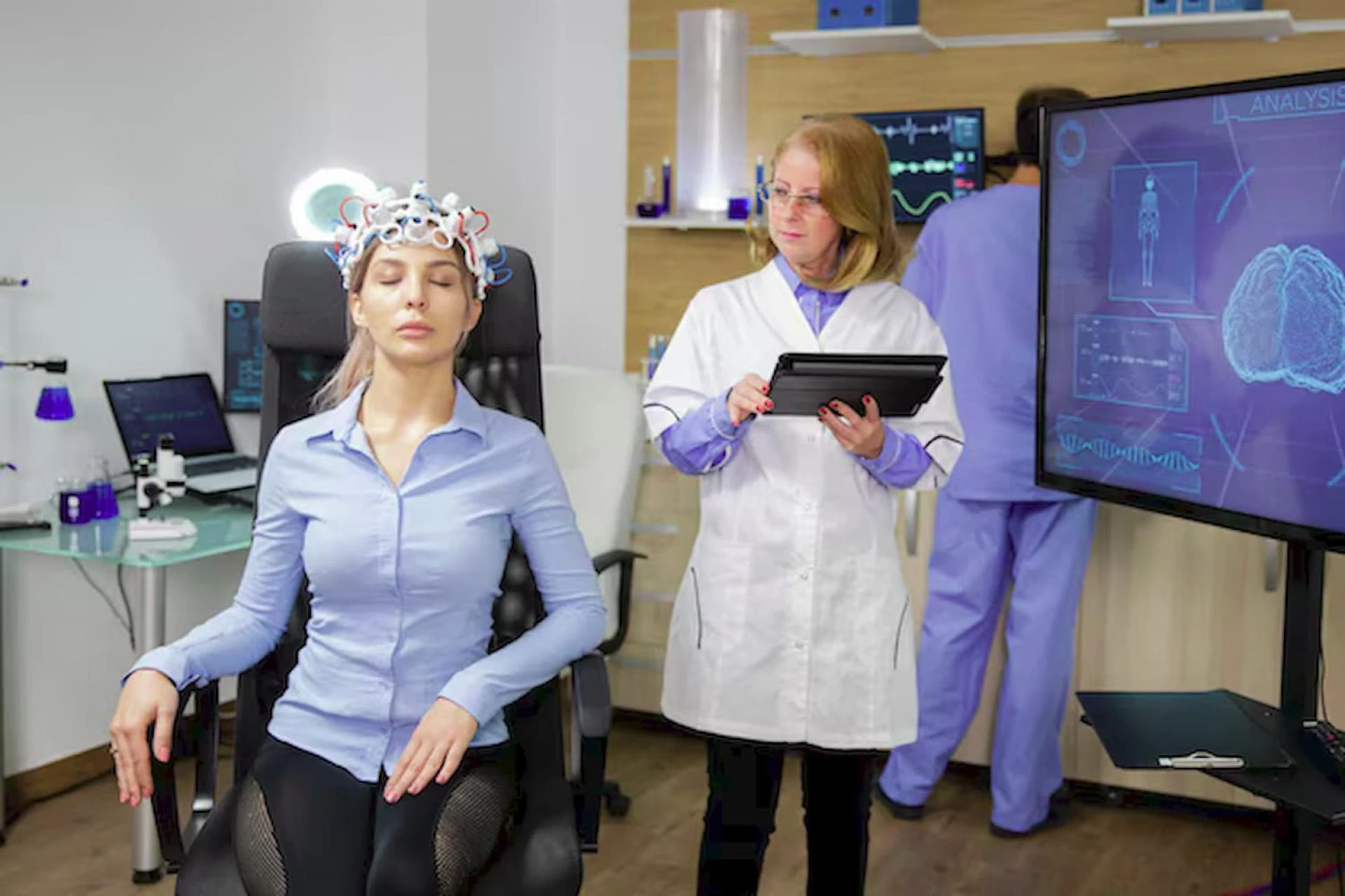
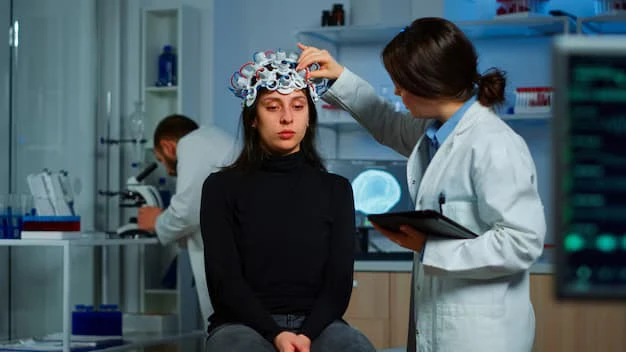
- During Treatment: During the session, you'll sit in a comfortable chair while the TMS device is positioned over your head. You'll feel a tapping sensation as the magnetic pulses are delivered.
- After Treatment: After each session, you can typically return to your normal activities.
Who is a Good Candidate for TMS?
TMS may be a good option for individuals who:
- Have been diagnosed with major depressive disorder.
- Have not responded adequately to antidepressant medications.
- Are unable to tolerate antidepressant medications due to side effects.
- Are looking for a non-invasive treatment option.
It's important to note that TMS may not be appropriate for everyone. Individuals with certain medical conditions, such as epilepsy or metal implants in the head, may not be eligible for TMS.
The Role of TMS in a Comprehensive Mental Wellness Plan
TMS is often most effective when integrated into a comprehensive mental wellness plan. This may include:
- Psychotherapy: Continuing with psychotherapy can help individuals develop coping skills and address underlying psychological issues.
- Medication Management: Working with a psychiatrist to optimize medication dosages and manage any side effects.
- Lifestyle Changes: Adopting healthy lifestyle habits, such as regular exercise, a balanced diet, and sufficient sleep, can support mental wellness.
- Support Systems: Building strong social connections and seeking support from family, friends, or support groups.
Addressing Concerns and Misconceptions about TMS
It's natural to have questions and concerns about TMS. Here are some common misconceptions:
- TMS is like electroconvulsive therapy (ECT): TMS is a much gentler and more targeted treatment than ECT. It doesn't involve inducing seizures or causing memory loss.
- TMS is painful: TMS is generally well-tolerated. The most common side effect is a mild headache, which usually resolves quickly.
- TMS is a "quick fix": TMS is not a quick fix for depression. It typically requires several weeks of treatment to see significant results.
- TMS is only for severe cases of depression: TMS can be effective for individuals with mild to moderate depression as well.
The Future of TMS Therapy
TMS is a rapidly evolving field, and research is ongoing to explore its potential applications for other mental health conditions, such as anxiety disorders, obsessive-compulsive disorder (OCD), and post-traumatic stress disorder (PTSD). Advances in TMS technology and treatment protocols are also being developed to improve its effectiveness and reduce treatment time.
Conclusion
Depression is a complex and debilitating condition that can significantly impact a person's quality of life. While traditional treatments like medication and psychotherapy are effective for many, alternative therapies like TMS offer a promising option for those who haven't found relief through other means. tms depression therapy albany can be a valuable tool in improving mental wellness, offering a non-invasive and targeted approach to stimulating brain activity and alleviating depressive symptoms. If you're struggling with depression, talk to a qualified mental health professional to determine if TMS is right for you.
Ready to take the next step towards a brighter future? Contact Pinnacle Behavioral Health today to learn more about how TMS therapy can help you reclaim your mental wellness.











Sign in to leave a comment.