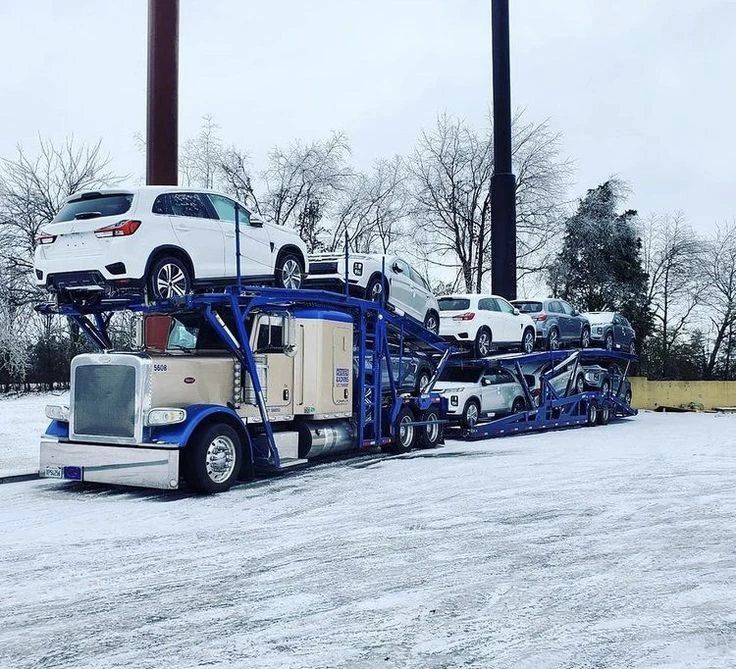

Shipping a vehicle across the USA can be complex, and one of the most common questions people ask is how to accurately get a vehicle shipping estimate. Knowing your costs upfront helps you plan your budget, choose the right transport service, and avoid surprise fees. At First Haulers, we specialize in providing reliable, transparent, and professional vehicle shipping services, and we want to guide you through the process step by step.
Why Accurate Vehicle Shipping Estimates Matter
A reliable estimate gives you a realistic expectation of costs and timelines. It helps you:
- Plan your budget effectively for your move or car purchase
- Compare quotes from different carriers fairly
- Avoid hidden fees or unexpected charges
- Select the best transport option for your vehicle
Without an accurate estimate, you risk overpaying, delays, or even shipping with an unreliable company.
Step 1: Gather Vehicle Information
The first step to accurately estimate your shipping costs is providing detailed information about your vehicle:
- Make, model, and year: Larger or heavier vehicles cost more to ship.
- Vehicle type: SUVs, trucks, and vans require more space and fuel than sedans.
- Condition: Non-running vehicles require special equipment, increasing costs.
- Luxury, classic, or exotic status: High-value cars may need enclosed transport for extra protection.
Accurate details help carriers calculate a realistic quote tailored to your vehicle.
Step 2: Know Your Pickup and Delivery Locations
Distance is the most significant factor influencing vehicle shipping costs. When asking how to accurately get a vehicle shipping estimate, you need to provide:
- Exact pickup city and state
- Exact delivery city and state
For example, shipping from Houston, TX, to New York City, NY, will cost more than a shorter trip from Dallas, TX, to Austin, TX. Some carriers even use zip codes to refine distance and route demand for a more precise estimate.
Step 3: Choose Your Transport Type
The type of transport you select directly affects cost and safety:
- Open Transport: The most common and affordable option. Vehicles are exposed to weather and road debris.
- Enclosed Transport: Protects high-value vehicles and costs 30–60% more.
- Door-to-Door Shipping: Convenient, with vehicle picked up and delivered at your locations.
- Terminal-to-Terminal Shipping: Cheaper but requires dropping off and picking up at terminals.
Selecting the correct option ensures your estimate aligns with the service you need.
Step 4: Consider Timing and Seasonal Trends
Shipping costs vary depending on the season. For accurate estimates, consider:
- Peak season: Spring and summer often have higher rates due to increased demand.
- Off-season: Fall and winter may reduce costs but could affect transit time in snowy regions.
- Flexible dates: Adjusting pickup or delivery dates can lower costs.
First Haulers incorporates seasonal trends into every quote to provide realistic estimates.
Step 5: Factor in Additional Services
Optional services can influence your vehicle shipping estimate:
- Expedited shipping: Faster delivery comes at a premium.
- Insurance upgrades: Additional coverage for high-value vehicles.
- Special handling: For oversized, non-operable, or classic cars.
Knowing which services you require ensures your estimate is as accurate as possible.
Step 6: Use a Trusted Car Shipping Calculator
Online tools can give a quick ballpark figure, but they have limitations. A reliable calculator considers:
- Vehicle type and condition
- Pickup and delivery distance
- Transport type and optional services
- Seasonal demand and fuel surcharges
First Haulers combines advanced calculators with real-world carrier experience to provide accurate, dependable quotes across the USA.
Step 7: Compare Multiple Quotes
Once you have estimates, don’t settle for the first number you see. Compare multiple quotes to understand the market and evaluate value:
- Make sure quotes are all-inclusive: insurance, fuel, and fees should be included.
- Avoid extremely low estimates—they may hide fees or reflect unreliable service.
- Focus on reputable carriers with licensing and insurance for safe transport.
Comparing quotes allows you to make an informed decision rather than just choosing the cheapest option.
Step 8: Confirm Insurance and Safety Measures
Insurance is critical for protecting your vehicle during transit. Ask your carrier:
- Is the company licensed and insured?
- Does insurance cover your vehicle’s full value?
- Are there inspection reports before and after transport?
First Haulers partners only with licensed, insured carriers and documents every shipment to ensure your vehicle is protected from start to finish.
Step 9: Prepare Your Vehicle
Before pickup, proper preparation helps prevent damage and delays:
- Clean the vehicle for inspection
- Document scratches, dents, and overall condition
- Remove personal items
- Secure loose parts and accessories
This ensures the quote you received accurately reflects the vehicle’s condition and prevents unexpected costs.
Final Thoughts
Learning how to accurately get a vehicle shipping estimate in 2025 is about providing detailed vehicle information, understanding transport options, considering seasonal trends, and working with a trusted carrier. By following these steps, you can plan your move or auto transport confidently.
At First Haulers, we provide transparent, reliable, and professional vehicle shipping services across the USA. Whether you’re shipping a family car, luxury vehicle, or classic collector car, our expert team ensures accurate estimates, safe transport, and peace of mind from pickup to delivery.










Sign in to leave a comment.