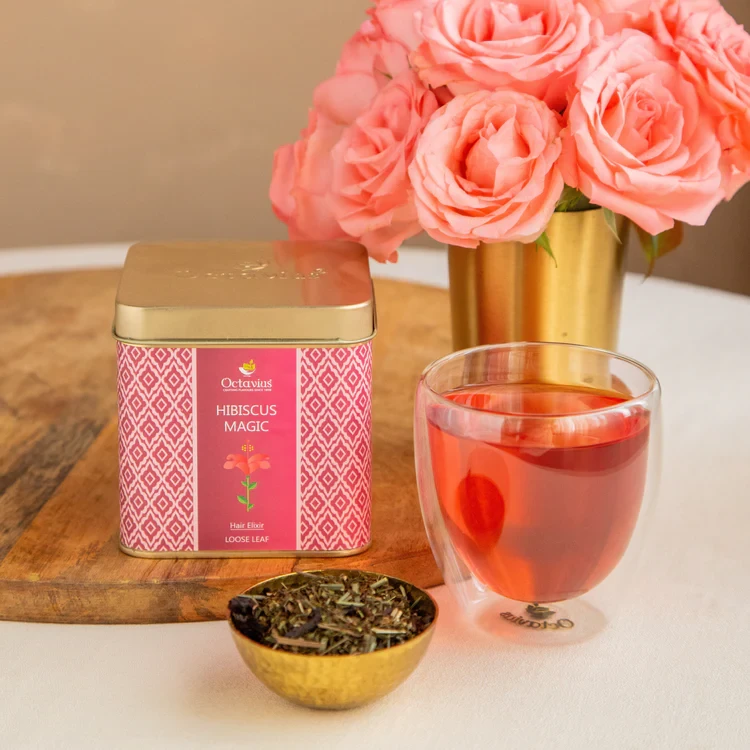

Brewing the perfect cup of Green Tea may seem simple—just add hot water and steep, right? Not quite. Unlike black tea or herbal blends, Green Tea is delicate. A few extra seconds in hot water or slightly overheated water can turn your soothing cup into a bitter experience. The good news? With the right method and quality leaves like those from Octavius, you can enjoy a perfectly balanced cup every single time.
Let’s walk through the steps that make all the difference.
Start with High-Quality Green Tea
The foundation of a great cup is, of course, the tea itself. Fresh, high-grade Green Tea contains vibrant leaves, a fresh grassy aroma, and a naturally smooth taste. Choosing a trusted brand like Octavius ensures you’re starting with carefully sourced leaves that preserve flavor and nutrients.
Loose-leaf tea often provides a richer and more nuanced taste compared to dust-filled tea bags. However, premium pyramid tea bags can also deliver excellent results if convenience is your priority.
Use Fresh, Filtered Water
Water makes up about 99% of your cup, so its quality matters. Always use fresh, filtered water rather than distilled or previously boiled water. Reboiled water loses oxygen, which can flatten the flavor of your Green Tea.
Bring the water to a near boil, then let it cool slightly before pouring.
Get the Temperature Right
This is the most important step.
Green Tea is sensitive to high temperatures. Boiling water (100°C or 212°F) can scorch the leaves and cause bitterness.
Ideal water temperature:
- 70°C–80°C (160°F–180°F)
If you don’t have a thermometer, simply bring water to a boil and let it sit for 2–3 minutes before pouring. This small pause makes a big difference in taste.
Measure the Right Amount
Balance is key.
- Use 1 teaspoon of loose Green Tea per 1 cup (240 ml) of water
- If using tea bags, one bag per cup is perfect
Too many leaves can make the tea overly strong, while too few can result in a weak brew.
Steep for the Perfect Time
Steeping time determines flavor strength.
Ideal steeping time:
- 2 to 3 minutes
Avoid steeping for more than 3 minutes unless the specific variety recommends it. Over-steeping releases excess tannins, which create bitterness.
If you prefer a stronger flavor, add slightly more leaves rather than increasing steeping time.
Strain and Enjoy Immediately
Once steeping is complete, strain the leaves or remove the tea bag promptly. Letting the leaves sit in water continues the extraction process and can affect the taste.
Now take a moment to enjoy the aroma before your first sip. A well-brewed cup of Green Tea should taste smooth, slightly vegetal, mildly sweet, and refreshing—never harsh.
Optional: Enhance Your Cup (Without Overpowering It)
While traditional Green Tea is best enjoyed plain, you can experiment carefully:
- Add a slice of lemon for brightness
- Stir in a small amount of honey for natural sweetness
- Try iced Green Tea by cooling and pouring over ice
Avoid adding milk, as it can overpower the delicate flavors.
Bonus Tips for Consistency
- Store your Green Tea in an airtight container away from light, heat, and moisture
- Pre-warm your cup or teapot to maintain brewing temperature
- Re-steep high-quality loose leaves once or twice for additional cups
Premium teas, like those from Octavius, often allow multiple infusions, with each steep revealing slightly different flavor notes.
Conclusion
Brewing the perfect cup of Green Tea isn’t complicated—it just requires attention to detail. The right temperature, proper steeping time, and quality leaves make all the difference. When you start with carefully selected tea from Octavius and follow these simple steps, you’ll enjoy a smooth, refreshing, and flavorful cup every time.
Once you master the technique, making Green Tea becomes more than a routine—it becomes a daily ritual worth savoring.














Sign in to leave a comment.