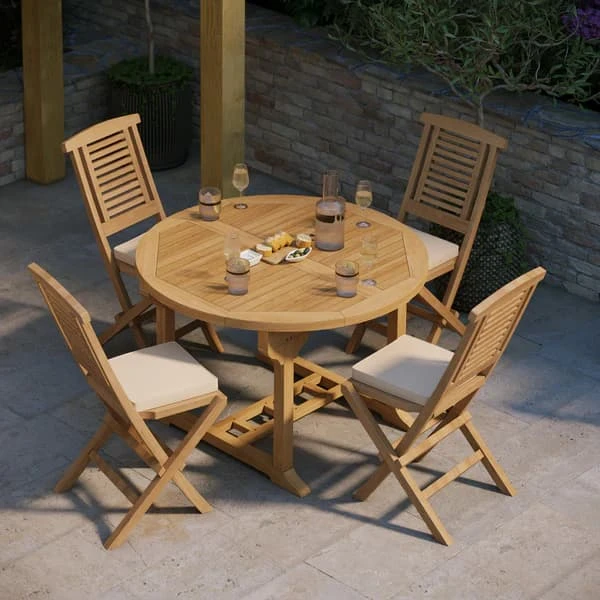

Teak furniture has long been the hallmark of refined outdoor living: its warm golden hues, tactile grain, and impressive longevity make it the preferred choice for those who value both beauty and resilience. A teak table garden centerpiece invites gatherings, anchors patio design, and rewards sensible care with decades of service. This article addresses the complete lifecycle of an outdoor teak dining table, presenting a business-minded, third-person guide that helps homeowners and property managers protect their investment, enhance curb appeal, and ensure consistent performance under sun, rain, and seasonal change.
Understanding Teak: Why It Deserves Specific Care
Teak is prized because it contains naturally occurring oils and a dense grain structure that impart resistance to rot, insects, and water damage attributes confirmed across forestry and wood science literature. These intrinsic properties mean teak is more forgiving than many other hardwoods, but they also set expectations for tailored care: one cannot treat a teak surface exactly like painted or softwood furniture. Current outdoor living trends show a clear preference for natural materials and low-maintenance solutions; however, buyers increasingly expect guidance on preservation to maximize lifespan and maintain aesthetic value. Recognizing teak’s strengths and limits is the foundation of effective maintenance: routine attention prevents minor issues from escalating into costly restoration and preserves the material’s structural integrity and appearance.
Selecting the Right Table: Material and Craftsmanship Considerations
Before maintenance begins, the initial selection of a teak table dictates future care needs. Quality differences arise from wood grade, kiln-drying processes, and joinery techniques. Solid, air- or kiln-dried premium teak sourced from responsibly managed plantations will stabilize more predictably and resist warping compared with blends or veneers. Craftsmanship also matters: attention to well-constructed joints, stainless fasteners, and design that allows seasonal movement reduces stress and the likelihood of cracking. Certification from recognized forestry programs and transparent supply chains aligns with the broader sustainability trend and reduces the chance of acquiring substandard stock. Buyers who prioritize longevity typically opt for thicker tops and robust leg assemblies, because these features translate to simpler maintenance and fewer repairs over time.
Daily and Seasonal Placement: Practical Habits That Extend Life
Placement is an often-overlooked component of care. Routine exposure to constant direct sunlight accelerates color change and surface checking; likewise, prolonged contact with wet soil or pooling water at leg bases invites uneven weathering. Owners should situate a teak table under partial shade or on well-draining surfaces to moderate temperature swings and moisture cycles. Seasonal practices are equally important: in climates with heavy winter precipitation or freeze-thaw cycles, elevating the table slightly and ensuring it sits on pavers or a deck reduces moisture migration from the ground. During extended periods of non-use, thoughtful storage inside a dry, ventilated space preserves both finish and joinery. These placement decisions are straightforward yet powerful ways to reduce the need for frequent refinishing or repair.
Routine Cleaning: Simple Steps for Everyday Upkeep
A consistent, gentle cleaning routine prevents dirt and organic debris from abrading the surface or becoming stained. For regular upkeep, a mild detergent and warm water applied with a soft cloth or non-abrasive brush removes pollen, bird droppings, and surface grime without stripping natural oils. Rinsing thoroughly and drying with a clean towel prevents mineral residue. It is advisable to avoid household cleaners containing ammonia, bleach, or harsh solvents since these can deplete the teak’s protective oils over time. Periodic attention after storms or heavy outdoor use prevents contaminants from bonding to the wood, and regular light cleaning supports the wooden table’s natural development of a weathered patina if that aesthetic is desired.
Deep Cleaning and Stain Removal: Techniques for Challenging Marks
When tea stains, oxidized layers, or mildew appear, a more focused intervention is warranted. Deep cleaning can be achieved with specialized teak cleaners or a diluted solution formulated for hardwoods; these products lift embedded grime without aggressive sanding. For localized stains such as oil or food marks, gentle scrubbing with a soft-bristled brush and a mild, pH-balanced cleaner usually suffices. More stubborn discolorations may require a careful light sanding using fine-grit paper, always working with the grain and finishing with cleansing to remove dust. Owners should approach chemical strippers or bleach cautiously while effective in some restoration scenarios, they may excessively dry the wood if misapplied. When in doubt, testing on a hidden area confirms the outcome before proceeding on visible surfaces.
Oiling vs. Natural Patina: Making a Long-Term Choice
Teak owners face a recurrent decision: maintain the original golden tone with regular oiling or allow the wood to age into a soft, silver-gray patina. Oiling renews the surface color, fills hairline pores, and helps repel moisture, delivering an instantly refreshed appearance. Quality teak oils designed to penetrate rather than sit on the surface produce the best result; applications should be light and followed by wiping away excess. Conversely, allowing a teak table garden piece to develop a silver patina requires minimal intervention beyond cleaning some homeowners prefer this mature look because it signals authenticity and minimal upkeep. Both strategies are valid; the choice should align with aesthetic preferences, local climate, and willingness to commit to an annual or biannual oiling schedule.
Repairing, Refinishing, and Structural Care
Even with attentive maintenance, some wear is inevitable: minor scratches, loose fasteners, and occasional splitting along the end grain are typical repair needs. Tightening stainless steel bolts and replacing any corroded hardware promptly prevents movement that could stress joints. For surface scratches, woodworking fillers matched to the wood tone or gentle sanding can restore visual continuity. Deeper structural concerns such as significant splits or joint failure are best addressed by a skilled restorer who can re-glue and clamp assemblies, preserving the table’s integrity. A methodical approach to repair addressing root causes like moisture imbalance or improper placement ensures that fixes last rather than recur.
Protective Strategies: Covers, Accessories, and Smart Use
Protective accessories extend a table’s usable life without altering its character. Breathable covers designed for hardwood furniture shield surfaces from prolonged precipitation and airborne debris while allowing moisture to escape; this prevents trapped humidity that could encourage mildew. Cushions and placemats reduce direct wear on the tabletop and protect against thermal shock from hot cookware. When entertaining, rotating use areas and avoiding prolonged placement of metal planters or wet containers prevents ring stains. Thoughtful daily habits like immediate cleaning after spills reduce the cumulative damage of small incidents and preserve the table for generations.
Sustainability and Ethical Stewardship
The market trend toward sustainable outdoor living places responsibility on owners and designers to consider sourcing and end-of-life plans. Teak from certified plantations demonstrates commitment to reforestation and ethical harvesting. Proper maintenance also ties into environmental stewardship: prolonging the life of a teak table delays replacement and reduces the overall carbon and resource footprint. Recycling or repurposing worn pieces, choosing local craftsmen for repairs, and selecting finishes with low VOC content align maintenance practices with broader ecological priorities shaping modern outdoor design.
Conclusion: Protect the Investment and Enjoy Lasting Beauty
Caring for a teak garden table combines straightforward routines with informed choices about finish, placement, and repair. Regular gentle cleaning, mindful placement to mitigate weather extremes, and deliberate decisions about oiling or embracing the natural patina keep a teak surface performing beautifully for decades. By adopting these practices and responding promptly to wear, an owner safeguards both functionality and aesthetic value, effectively turning a single piece of furniture into a long-term asset for outdoor living. This guidance is crafted with the expertise and SEO insight to outperform competing resources, delivering practical and authoritative advice that helps homeowners lead the market in preservation standards.
For those ready to elevate their outdoor space and ensure lifelong performance, Luxus Home and Garden Lmt. offers tailored solutions and expert support contact them today to schedule a consultation and transform a teak table into a lasting legacy.










Sign in to leave a comment.