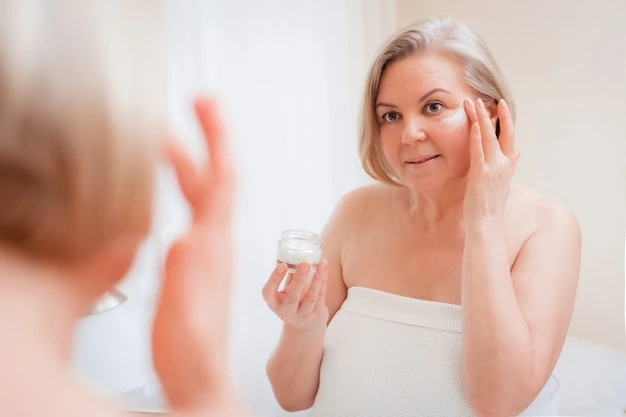

Navigating the changes that accompany menopause can feel like a daunting journey, particularly when it comes to skincare. As estrogen levels fluctuate, many women notice significant changes in their skin, including increased dryness, loss of elasticity, and heightened sensitivity. This transformation necessitates a thoughtful approach to skincare, especially regarding the selection of an appropriate moisturizer for menopausal skin. In this article, we delve into the key considerations for selecting a moisturizer tailor-made for the unique needs of menopausal skin, alongside some top picks that can help restore hydration and vitality.
Understanding the Changes in Menopausal Skin
To effectively choose a moisturizer for menopausal skin, it is vital to comprehend the underlying changes that occur during this phase. Women may experience a decline in collagen production, leading to the skin appearing thinner and more fragile. Additionally, the reduction in oil production can result in dryness and flakiness, leaving the skin feeling tight and uncomfortable. Hormonal fluctuations can also trigger conditions such as rosacea or increased sensitivity to certain products, making it essential to choose a moisturizer that is not only hydrating but also gentle on the skin.
Moreover, menopausal skin may exhibit a loss of radiance and firmness. This is where a well-formulated moisturizer plays a pivotal role. The right moisturizer can provide essential hydration, improve skin texture, and create a barrier against environmental aggressors that can exacerbate dryness. Ingredients such as hyaluronic acid, glycerin, and ceramides are particularly effective in delivering the moisture and barrier support that menopausal skin craves.
Key Ingredients to Look For
When selecting a moisturizer for menopausal skin, understanding which ingredients are beneficial can make a significant difference in the results. Here are some key ingredients to consider:
Hyaluronic Acid
Hyaluronic acid is a powerhouse ingredient known for its incredible ability to retain moisture. Capable of holding up to 1000 times its weight in water, this ingredient can help plump the skin and reduce the appearance of fine lines and wrinkles. For menopausal skin, a moisturizer enriched with hyaluronic acid can provide instant hydration and long-lasting moisture retention.
Glycerin
Glycerin is another humectant that draws moisture from the environment and helps keep the skin hydrated. This ingredient is particularly beneficial for menopausal skin, as it aids in maintaining the skin's moisture balance. A moisturizer containing glycerin can help alleviate dryness and improve skin texture, making it feel softer and more supple.
Ceramides
Ceramides are lipids that play a crucial role in maintaining the skin's natural barrier. As the skin ages, its ceramide levels diminish, leading to increased transepidermal water loss and dryness. A moisturizer rich in ceramides can help restore the skin's barrier, protecting against environmental irritants while locking in moisture.
Peptides
Peptides are short chains of amino acids that help stimulate collagen production and promote skin elasticity. Incorporating a moisturizer with peptides can help combat the signs of aging associated with menopause, such as sagging skin and loss of firmness. Peptides not only nourish the skin but also support its structural integrity.
Choosing the Right Texture
The texture of a moisturizer can significantly impact its effectiveness and how it feels on the skin. For menopausal skin, it is essential to consider individual preferences and skin types. Some women may prefer a lightweight gel or lotion, while others might benefit from a richer cream.
Lightweight formulations are typically absorbed quickly and are ideal for those with oily or combination skin. However, if dryness is a predominant concern, a creamier texture may provide the necessary hydration and comfort. It is also crucial to consider the climate and seasonal changes, as some might require a heavier moisturizer in the winter months while opting for lighter options during warmer seasons.
Top Picks for Moisturizers for Menopausal Skin
While there are numerous options on the market, selecting a moisturizer that combines beneficial ingredients and a suitable texture can significantly enhance skincare routines. Here are some recommended types of moisturizers that cater to the unique needs of menopausal skin:
Hydrating Gel-Creams
Hydrating gel-creams are excellent for women seeking a lightweight yet effective moisturizer. These formulations typically contain hyaluronic acid and glycerin, providing an instant burst of hydration without feeling heavy on the skin. They are perfect for daytime use, allowing makeup to glide on smoothly over a well-hydrated base.
Rich Creams with Anti-Aging Benefits
For those dealing with significant dryness and signs of aging, a rich cream containing ceramides, peptides, and antioxidants can offer the nourishment and support needed. These creams tend to provide a protective barrier that locks in moisture throughout the day or night, making them ideal for evening use when the skin is in repair mode.
Oil-Based Moisturizers
Some women may find that incorporating oil-based moisturizers into their routine helps combat extreme dryness. These products often contain nourishing oils such as jojoba or argan oil, which provide deep hydration and enhance the skin's natural barrier. Oil-based moisturizers can also impart a beautiful glow, making the skin appear more youthful and radiant.
Sensitive Skin Formulations
Given that menopausal skin can become more sensitive, it is wise to choose a moisturizer specifically designed for sensitive skin. These formulations typically avoid harsh fragrances and irritating ingredients, focusing instead on soothing components that calm inflammation and redness. Look for products that contain soothing agents like aloe vera or calendula, which can help maintain the skin's comfort and balance.
Conclusion
Choosing the right moisturizer for menopausal skin is a crucial step in maintaining skin health during this transitional phase. Understanding the specific changes that occur, along with the essential ingredients that cater to these needs, can empower women to make informed decisions. By opting for products rich in hyaluronic acid, glycerin, ceramides, and peptides, women can effectively combat dryness, enhance elasticity, and restore radiance. Ultimately, the right moisturizer can not only address the challenges of menopausal skin but also support overall skin health and confidence. For more information and tailored recommendations, visit MiQuest.




Sign in to leave a comment.