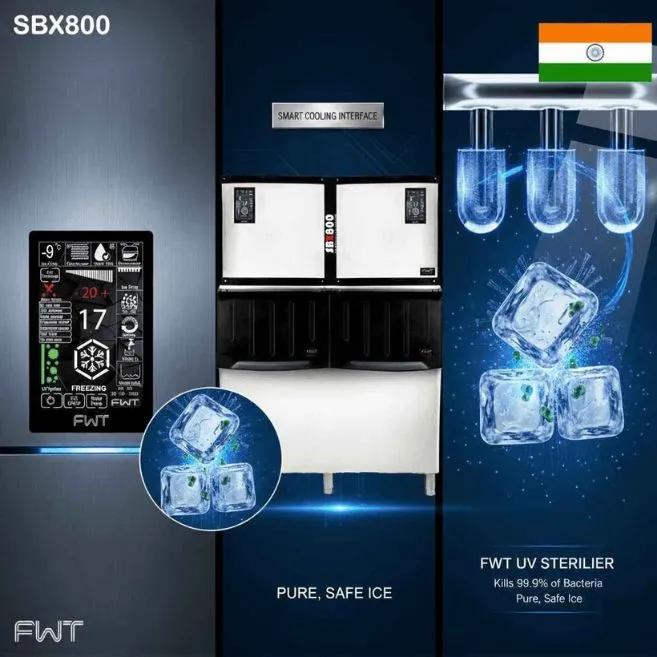

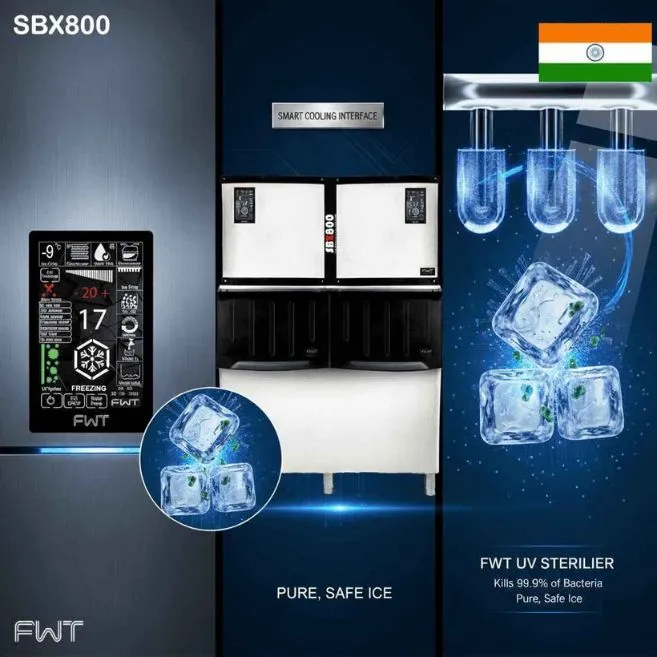
Choosing the right bullet ice cube machine isn’t just about picking the first sleek appliance you see online. Whether you’re outfitting a home kitchen, a café, or a full-scale bar, the right machine can make a noticeable difference in efficiency, drink quality, and overall convenience.
Let’s break it down in a practical, human way—so you can confidently choose a machine that actually fits your needs.
What Is a Bullet Ice Cube Machine?
A Bullet Ice Cube Machine produces small, cylindrical (bullet-shaped) ice cubes—typically hollow inside and rounded at the edges. This design allows the ice to cool drinks quickly and efficiently.
Unlike traditional cube ice:
- Bullet ice forms faster (often in 6–10 minutes per batch)
- It’s softer and slightly chewable
- It fits easily into bottles and narrow glasses
That’s why these machines are widely used in homes, offices, and hospitality settings.
Step 1: Define Your Usage (Home vs Commercial)
Before looking at specs, ask yourself one simple question:
How much ice do I actually need?
For Home or Small Use
If you’re buying a small ice maker machine for daily drinks, family use, or occasional parties:
- Look for 20–30 lbs/day capacity
- Compact countertop design is ideal
- Manual water filling is usually enough
These machines are portable, affordable, and easy to operate.
For Business or Heavy Use
If you need a commercial ice cube machine (restaurants, cafés, bars):
- Choose 50–100+ lbs/day capacity
- Prefer automatic water supply systems
- Durable components and continuous operation are essential
For example, mid-range commercial bullet machines can produce 30–60 kg of ice daily, making them suitable for busy beverage operations .
Step 2: Understand Ice Type and Application
Not all ice serves the same purpose.
Bullet Ice (Most Common)
- Fast cooling
- Ideal for soft drinks, juices, and water
- Slightly faster melting than solid cubes
Dice Shape Ice Cube Machine
- Produces solid cubes
- Melts slower
- Better for cocktails and premium drinks
If your focus is speed and convenience, go for a bullet ice cube machine.
If presentation and slow dilution matter (like in bars), consider dice-shaped cube machines.
Step 3: Check Ice Production Speed and Capacity
This is one of the most critical factors.
- Entry-level machines: 9–12 cubes per cycle
- Cycle time: 6–10 minutes
- Daily output:
- Home: 10–15 kg/day
- Commercial: 30–100+ kg/day
Tip:
Always choose slightly higher capacity than your daily need—you’ll avoid shortages during peak usage.
Step 4: Evaluate Build Quality and Technology
A good ice cube machine should last years, not months.
What to look for:
- Stainless steel body (durable, corrosion-resistant)
- Food-grade internal components
- Advanced cooling systems (like spray-type technology)
Modern machines use systems that ensure:
- Clearer ice
- Faster freezing
- Better durability
Avoid outdated mechanisms that are noisy and require frequent maintenance.
Step 5: Consider Size and Space
Bullet ice makers are known for their compact design—but size still matters.
Typical countertop units:
- Width: 12–15 inches
- Portable and easy to move
- Require ventilation space
If you’re tight on space (apartments, small kitchens), a compact small ice maker machine is perfect.
For commercial setups, ensure proper installation space and airflow.
Step 6: Look at Power Consumption and Noise
Power Usage
Most home machines:
- Consume 120–200 watts
- Only run during ice-making cycles
This makes them energy-efficient for regular use.
Noise Levels
- Quiet models: under 45 dB
- Compressor models: slightly louder but more powerful
If you plan to use it in a living space or office, prioritize quieter models.
Step 7: Check Features That Make Life Easier
Modern bullet ice machines come with helpful features that improve usability:
- Auto shut-off (when bin is full or water is low)
- Self-cleaning function
- Multiple ice size options
- Transparent lid for monitoring
- Removable ice basket
These small features can significantly improve day-to-day convenience.
Step 8: Maintenance and Cleaning
Ice machines require regular care to stay hygienic and efficient.
- Clean every 2–4 weeks
- Use vinegar or descaling solution
- Check for mineral buildup
Machines with self-cleaning modes save time and effort.
Step 9: Budget vs Value
Prices vary depending on type:
| Type | Typical Use | Price Range |
|---|---|---|
| Small ice maker machine | Home use | Budget-friendly |
| Mid-range bullet ice machine | Office / café | Moderate |
| Commercial ice cube machine | High-demand business | Premium |
Key insight:
Don’t just choose the cheapest option—focus on durability, capacity, and reliability.
Final Thoughts: How to Choose Smartly
Choosing the right bullet ice cube machine comes down to balancing three things:
- Capacity – Match your daily ice needs
- Performance – Fast production and consistent output
- Convenience – Easy operation and maintenance
If you want quick, reliable ice for everyday use, a compact bullet ice machine is a smart investment. For business environments, upgrading to a commercial-grade machine ensures you never run out during peak hours.
Quick Recommendation
- Home users: Go for a compact, portable bullet ice maker
- Small businesses: Choose mid-capacity machines with durability
- Large operations: Invest in a high-output commercial ice cube machine
If you want, I can help you compare specific models from your website or recommend the best option based on your budget and use case.







Sign in to leave a comment.