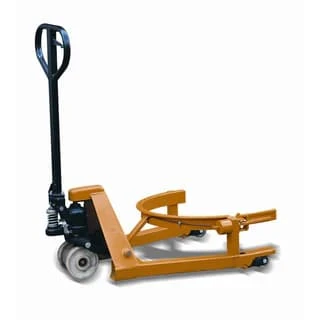

Selecting the right pallet trucks is crucial for efficient warehouse operations. These tools are essential for moving heavy loads safely and quickly, reducing manual labor, and improving productivity. Choosing the appropriate model depends on several factors, including load capacity, maneuverability, and durability. Warehouse managers must carefully assess their operational needs, floor conditions, and the frequency of use to ensure the selected pallet truck meets both safety and efficiency requirements while providing long-term value.
Understanding Different Types of Pallet Trucks
Pallet trucks come in various types, each suited for specific tasks. Manual pallet trucks are ideal for lighter loads and occasional use, while electric pallet trucks provide greater efficiency for heavier or frequent operations. High-lift pallet trucks allow operators to lift pallets to an ergonomic height, reducing strain. Narrow aisle pallet trucks are designed for warehouses with limited space. Understanding the advantages and limitations of each type ensures that warehouse managers select the most effective equipment for their unique operational requirements.
Assessing Load Capacity Needs
One of the most important considerations when choosing a pallet truck is the maximum load it can handle. Selecting a truck with insufficient capacity can lead to equipment damage, safety hazards, and inefficiency. Warehouse managers should evaluate the typical weight of pallets and anticipate any potential increases in load. It is also important to consider the distribution of weight and whether the pallet truck can handle uneven loads without compromising stability or safety during transport.
Considering Warehouse Layout and Space
The layout and size of a warehouse greatly influence pallet truck selection. Narrow aisles, tight corners, and limited storage areas require trucks that can maneuver easily in confined spaces. For larger open warehouses, wider pallet trucks with higher capacities may be more effective. Evaluating floor conditions, such as smooth concrete or rough surfaces, also helps determine the type of wheels and chassis design needed. Proper alignment between equipment choice and warehouse layout maximizes efficiency and reduces the risk of accidents.
Prioritizing Safety Features
Safety should always be a top priority when selecting pallet trucks. Key safety features include brakes, ergonomic handles, overload protection, and anti-slip surfaces. Trucks designed with safety in mind reduce the risk of injuries, particularly when handling heavy loads. Operators should also be trained on proper lifting techniques and the correct use of pallet trucks. Implementing safety protocols alongside selecting equipment with built-in safety features ensures a secure working environment for warehouse staff.
Evaluating Durability and Maintenance
Durable pallet trucks provide long-term value and reduce maintenance costs. High-quality materials and robust construction increase the lifespan of the equipment, even under frequent heavy use. Regular maintenance, including lubrication, wheel inspection, and hydraulic system checks, prolongs performance and prevents breakdowns. Warehouse managers should consider the availability of replacement parts and ease of servicing when choosing a pallet truck. Investing in durable and low-maintenance equipment minimizes downtime and improves overall warehouse efficiency.
Budget Considerations
Budget is a key factor in selecting pallet trucks. While it may be tempting to choose the least expensive option, it is important to consider long-term operational costs. Lower-priced trucks may require more maintenance and have shorter lifespans, leading to higher expenses over time. Balancing cost with functionality, durability, and safety ensures that the investment delivers maximum efficiency and reliability. Careful budget planning allows warehouses to acquire the most suitable equipment without compromising performance.
Importance of Operator Comfort
Operator comfort directly affects productivity and safety. Pallet trucks with ergonomic handles, adjustable controls, and smooth operation reduce fatigue and the risk of injury. Electric and high-lift trucks often offer additional features that enhance comfort, such as cushioned platforms or minimal manual effort. Investing in equipment designed for operator comfort ensures that staff can perform their tasks efficiently throughout long shifts, maintaining high productivity levels while reducing potential work-related health issues.
Testing and Trialing Equipment
Before finalizing a pallet truck purchase, testing and trialing equipment can provide valuable insights. Hands-on trials allow warehouse managers to assess maneuverability, ease of use, and compatibility with existing workflows. Testing also helps identify potential challenges, such as difficulty navigating tight spaces or lifting unusually shaped loads. Engaging staff in trial sessions ensures practical feedback, leading to more informed decisions and higher acceptance of the equipment across the warehouse team.
Conclusion
Selecting the best pallet trucks requires careful evaluation of type, capacity, safety, durability, and warehouse layout. Each factor contributes to the efficiency and safety of warehouse operations. By considering operator comfort, maintenance needs, and budget constraints, managers can make a well-informed choice that supports long-term productivity. For businesses looking to source reliable and high-quality equipment, UK Lifting Store provides expert guidance and a range of solutions to meet diverse warehouse requirements.












Sign in to leave a comment.