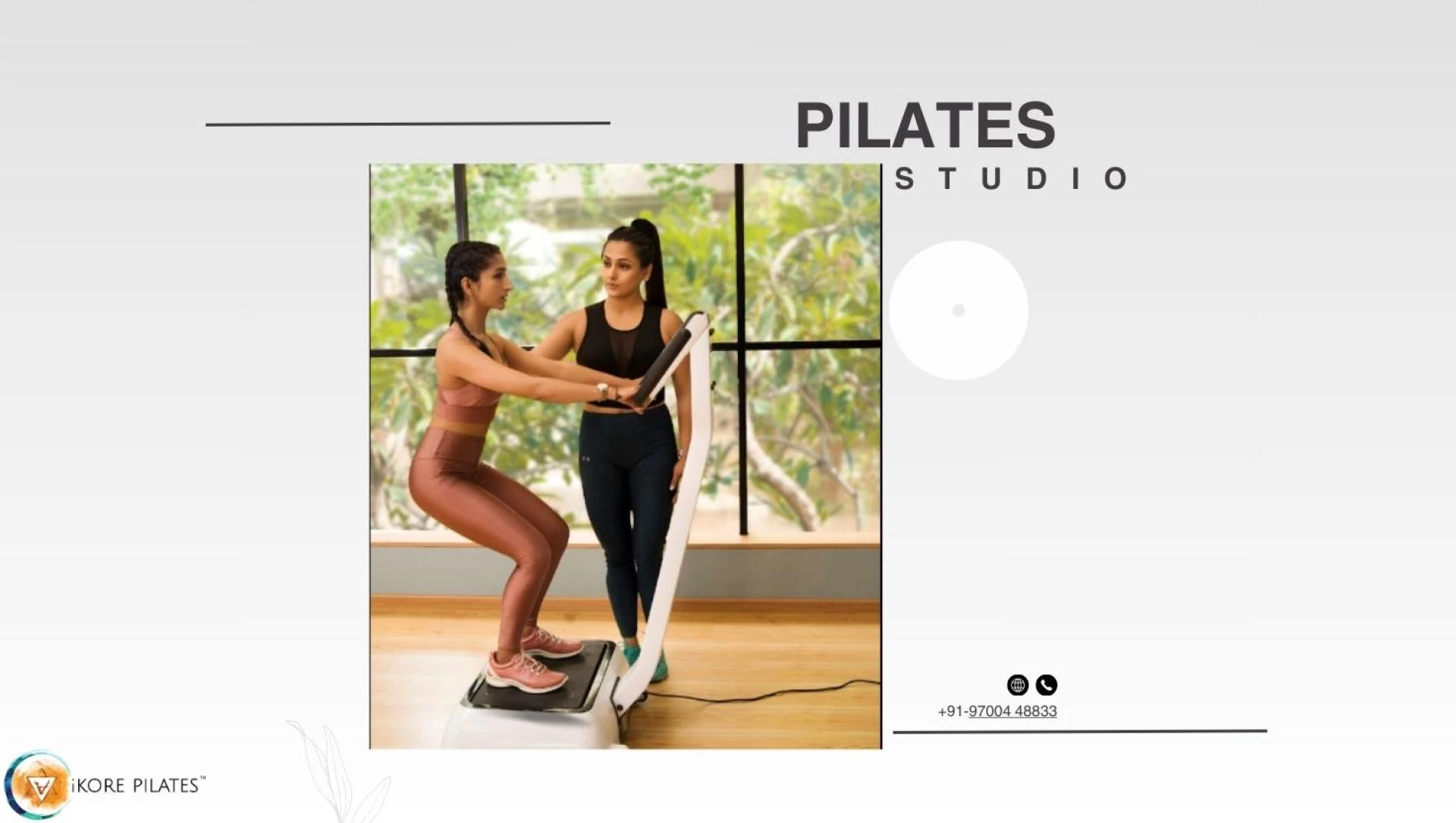

Enrolling in a Pilates teacher training course abroad can be a transformative experience for aspiring instructors. It combines professional development with cultural exploration, offering the opportunity to deepen your knowledge of Pilates while gaining a global perspective. This guide will provide essential insights into selecting the right course, preparing for international study, and making the most of your training journey.
1. Understand Your Training Goals
Before selecting a Pilates teacher training course abroad, define your goals. Are you looking to start a career as a Pilates instructor, enhance your current teaching skills, or specialize in a particular style of Pilates? Understanding your objectives will help you choose a course that aligns with your aspirations.
Additionally, consider the certification level you wish to achieve. Some courses offer comprehensive programs covering all Pilates apparatus, while others focus on specific areas such as mat work or reformer training. Identifying your goals ensures you select a program that meets your educational needs.
2. Research Course Accreditation and Curriculum
Accreditation is a key factor when selecting a Pilates teacher training course abroad. Choose a program recognized by reputable Pilates organizations, ensuring that your certification will be valued internationally. Accredited courses follow established guidelines and provide a consistent standard of instruction.
Examine the course curriculum thoroughly. A well-rounded program should cover anatomy, biomechanics, Pilates principles, teaching techniques, and practical sessions. The curriculum should also include hands-on teaching practice, allowing you to gain experience and confidence in leading classes.
3. Consider Location and Cultural Fit
The location of your training course can significantly impact your overall experience. Consider factors such as language, cultural norms, and lifestyle when choosing a destination. Selecting a country where you feel comfortable and engaged will enhance your learning experience.
Some locations may offer additional opportunities for learning, such as wellness retreats, workshops, or access to leading Pilates practitioners. The cultural setting can also influence your teaching style, providing new perspectives and techniques that enrich your instruction.
4. Assess the Instructors' Qualifications
Qualified and experienced instructors are crucial for a successful Pilates teacher training course abroad. Research the background, certifications, and teaching experience of the course instructors. Instructors with extensive practical knowledge and a passion for teaching will provide valuable guidance and mentorship.
Look for instructors who offer a supportive learning environment, personalized feedback, and opportunities for one-on-one instruction. Learning from skilled professionals will enhance your understanding of Pilates and improve your teaching abilities.
5. Evaluate Course Duration and Schedule
Pilates teacher training courses abroad vary in duration, ranging from intensive short-term programs to extended courses lasting several months. Consider your availability and learning preferences when selecting a course schedule.
Intensive programs may be ideal for those who prefer immersive learning, while longer courses provide more time for practice and reflection. Ensure that the course schedule allows sufficient time for study, practice teaching, and personal exploration of the host country.
6. Review Admission Requirements and Costs
Before enrolling, review the admission requirements for your chosen course. Some programs may require prior Pilates experience, while others welcome beginners. Understanding these prerequisites will help you determine your eligibility and prepare accordingly.
Consider the total cost of the training, including tuition fees, accommodation, travel expenses, and living costs. Budgeting for these expenses ensures a smooth and stress-free training experience. Some courses may offer payment plans or scholarships, providing additional financial flexibility.
7. Prepare for Cultural and Language Differences
Studying abroad often involves adapting to new cultural and linguistic environments. Research the customs, traditions, and language of the host country to ensure a respectful and enriching experience. Basic language skills can facilitate communication and help you connect with local communities.
Adapting to a different culture may also influence your teaching approach, offering new insights and techniques. Embracing cultural diversity can enhance your ability to connect with clients from various backgrounds, making you a more versatile and effective instructor.
8. Plan for Travel and Accommodation
Logistical planning is essential when pursuing a Pilates teacher training course abroad. Research visa requirements, travel options, and accommodation choices in advance. Secure accommodations that are conveniently located near the training facility, offering comfort and safety.
Consider factors such as proximity to amenities, transportation options, and local attractions. Comfortable and accessible accommodations contribute to a positive learning experience, allowing you to focus on your training and personal growth.
9. Make the Most of Your Training Experience
Maximize the benefits of your Pilates teacher training course abroad by fully engaging in the experience. Participate actively in classes, seek feedback from instructors, and practice teaching regularly. Building connections with fellow trainees can also provide valuable support and networking opportunities.
Take advantage of the opportunity to explore the local culture, cuisine, and attractions. Balancing your studies with cultural experiences enriches your overall journey, providing personal and professional growth that extends beyond the training studio.
10. Plan for Post-Training Opportunities
After completing your Pilates teacher training course abroad, plan how you will apply your new skills and knowledge. Consider teaching opportunities in your home country, international positions, or opening your own studio. Certification from an accredited program enhances your credibility and employability worldwide.
Stay connected with your instructors and peers, as these relationships can provide ongoing support and professional development opportunities. Continuing education, such as advanced workshops or specialty certifications, can further enhance your teaching career.
Conclusion
Choosing the right Pilates teacher training course abroad requires careful consideration of various factors, including accreditation, location, instructor qualifications, and personal goals. By thoroughly researching your options and preparing for the experience, you can embark on a rewarding journey that combines professional development with cultural exploration. The skills, knowledge, and global perspective gained from international training will equip you to become a confident, versatile, and successful Pilates instructor.











Sign in to leave a comment.