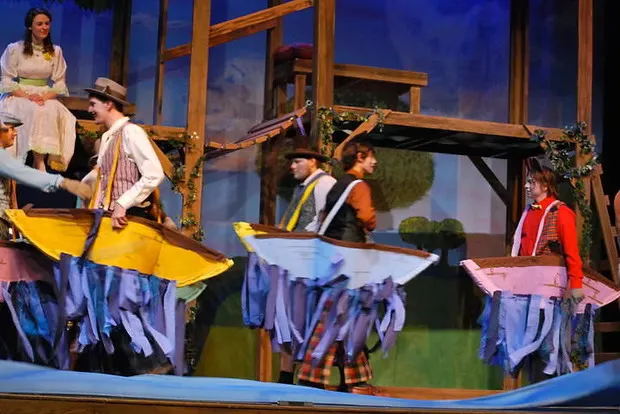

Picking the right production for your students can feel like a balancing act. You want something engaging, manageable, and meaningful—but not so complex that it stresses everyone out. In the early stages of planning, many educators begin searching for the best plays for middle schools and even options that double as family-friendly, because audience appeal matters just as much as student experience.
Start with Simplicity, Not Spectacle
Let’s be honest—middle school performers don’t need Broadway-level complexity. In fact, simpler productions often lead to stronger performances. When you choose a play with clear storytelling and straightforward staging, you give your students room to actually act instead of just trying to keep up.
You should look for scripts that focus on character-driven moments rather than technical overload. This approach naturally aligns with the best plays for middle schools, where growth and confidence matter more than flashy effects.
Focus on Flexible Casting Options
One of the biggest challenges you probably face is casting. Some years you have a huge group, other times it’s just a handful of interested students. That’s why flexibility becomes your best friend.
A well-designed play allows you to scale:
- Small cast (around 8 performers)
- Large ensemble (up to 60+ students)
This flexibility ensures no student feels left out while also preventing overcrowding on stage. Productions with adaptable roles help you include varying skill levels without overwhelming beginners.
When a script supports both small and large groups, you instantly reduce stress—for yourself and your students.
Choose Manageable Music and Dialogue
Music can either elevate your production or completely derail it. Middle school performers are still developing vocal confidence, so you want songs that feel achievable.
Look for:
- Catchy, easy-to-learn melodies
- Opportunities for group singing
- Roles that allow spoken or rhythmic delivery instead of full singing
For example, some characters can deliver lines in a speech-like rhythm rather than traditional singing. This opens the door for non-singers to shine without pressure.
When you prioritize accessibility in music, you naturally create a smoother rehearsal process and a more confident cast.
Prioritize Ease of Staging
You don’t need elaborate sets or expensive costumes to create something magical. In fact, simpler staging often sparks more creativity.
Ask yourself:
- Can this be performed with minimal props?
- Will basic costumes still convey the story?
- Can scenes transition quickly without technical delays?
When the answer is yes, you’re on the right track.
Many successful school productions rely on imagination rather than heavy design. This approach keeps your rehearsals efficient and your budget under control.
Look for Strong, Relatable Themes
Middle school students connect deeply with stories about:
- Friendship
- Growth
- Responsibility
- Adventure
When a play includes these themes, students engage more naturally. They understand the characters, and that understanding translates into better performances.
Stories that balance humor with meaningful lessons also keep audiences invested. That’s why productions that appeal to both kids and adults often become the best plays for the whole family—they work on multiple levels.
Keep Rehearsals Realistic
You already juggle tight schedules, limited time, and varying commitment levels. So, pick a play that respects that reality.
A strong middle school production should:
- Work with limited rehearsal hours
- Allow scene-by-scene progress
- Support mixed experience levels
Shorter versions (like 45-minute adaptations) can also help if your timeline feels tight. On the other hand, longer versions (around 90 minutes) work well if you have more time and a larger group.
Flexibility here makes a huge difference in reducing burnout—for both you and your students.
Encourage Ensemble Participation
Middle schoolers thrive when they feel included. Ensemble-driven productions create space for everyone to contribute, even if they don’t have lead roles.
Group scenes, chorus numbers, and shared moments:
- Build confidence
- Strengthen teamwork
- Keep energy high
Instead of focusing only on leads, choose plays that give meaningful stage time to the entire cast. This approach creates a more positive and collaborative environment.
Balance Challenge with Confidence
You want your students to grow—but not at the cost of their confidence. The right play should stretch their abilities just enough without pushing them into frustration.
A good rule of thumb:
If students feel excited (not anxious) during early rehearsals, you’ve made the right choice.
Productions that offer a mix of simple and slightly challenging elements allow students to improve while still enjoying the process.
Think About Your Audience Too
While your priority is your students, audience engagement still matters. Parents, teachers, and community members want something enjoyable and easy to follow.
Plays that combine humor, music, and heartfelt storytelling often resonate best. These productions naturally become the best plays for the whole family, because they entertain across age groups.
When your audience enjoys the show, your students feel even more proud of their work.
A Practical Example of What Works
Some productions stand out because they check all the boxes:
- Flexible casting
- Simple or elaborate staging options
- Catchy, manageable music
- Strong themes of friendship and growth
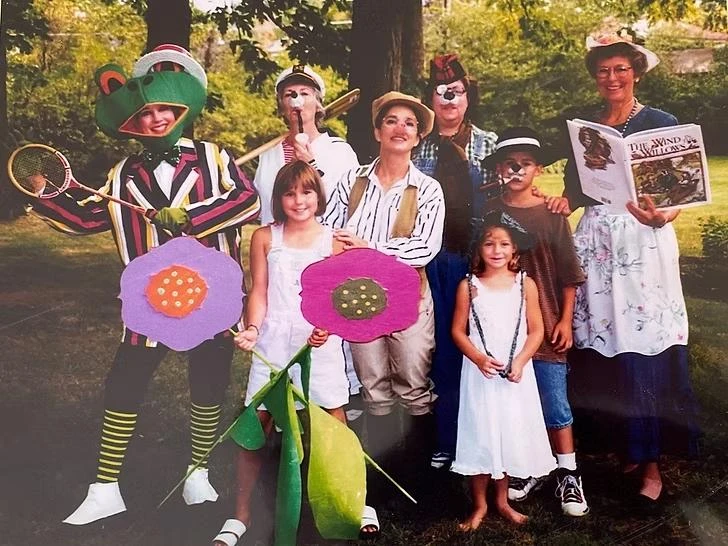
Stories centered around adventurous characters and meaningful relationships tend to perform especially well in school settings. They allow students to explore personality, emotion, and creativity without getting lost in complexity.
These kinds of plays also adapt easily—whether you want a quick concert-style performance or a full theatrical experience.
Final Thoughts: Keep It Doable, Keep It Fun
At the end of the day, your goal isn’t perfection—it’s participation, growth, and enjoyment. When you choose wisely, everything else falls into place.
The smartest approach involves selecting productions that balance flexibility, simplicity, and engagement. That’s exactly what defines the best plays for middle schools. When those same productions also entertain a wide audience, they naturally become the best plays for the whole family.
So as you plan your next show, stay practical. Keep things manageable. And most importantly, choose stories that let your students shine without feeling overwhelmed.










Sign in to leave a comment.